Blooming
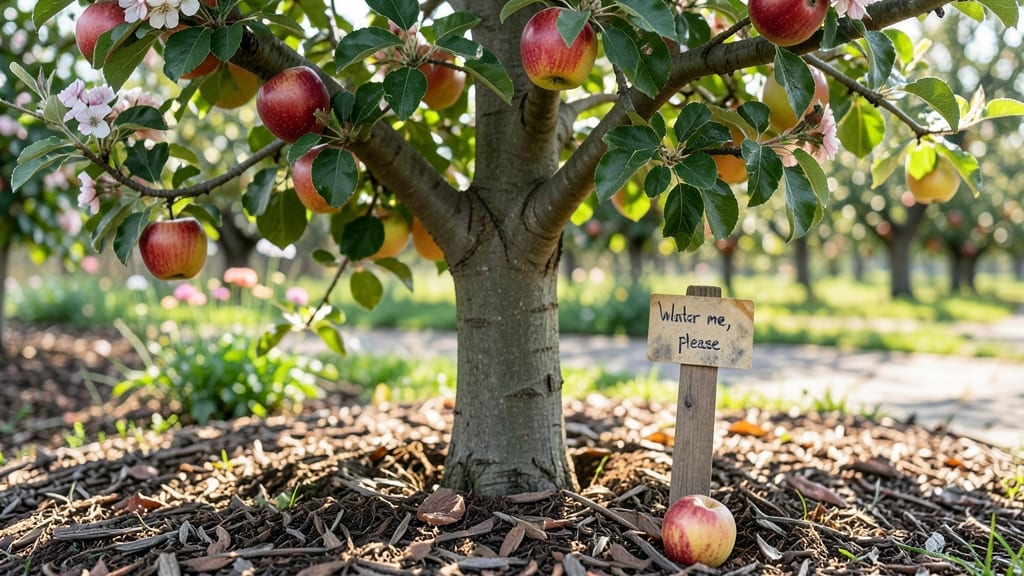
Wondering how long till apple trees produce fruit, you’ll find most varieties take 3 to 7 years—though dwarf types may reward you with apples in just 1 to 3 years.
Picture this: you’ve planted your 🍎 in spring, watered it faithfully, and even pruned it like the guidebooks say. But when the neighbors’ trees are heavy with fruit, yours is still just leaves. What’s going wrong?
The truth is, timing depends on more than just luck—it’s about the right variety, your climate zone, and how well you care for it. Some trees need two seasons of growth before they’ll even think about blooming, while others might skip fruiting entirely if they’re stressed or underfed.
In this guide, I’ll break down the exact years to expect fruit, the factors that speed up or slow down production, and the critical steps you can take right now to ensure your tree doesn’t waste another season growing just leaves.
Apple tree fruit production timeline by variety type
If you’ve ever planted an apple tree, you’ve likely wondered: how long till apple trees produce fruit? The answer isn’t one-size-fits-all—it depends on whether you’re growing a dwarf, semi-dwarf, or standard variety.
Dwarf trees can fruit in as little as 2 years, while standard trees may take 5–7 years or longer. Understanding these timelines helps set realistic expectations and ensures you provide the right care for your tree’s growth stage.
Popular varieties like Honeycrisp, Fuji, and Granny Smith all follow similar maturity patterns, but their tree size and pollination needs can shift the timeline. For example, a dwarf Honeycrisp might bear fruit in 3 years, while a standard Fuji could take 6–8 years.
Let’s break down what to expect year by year for each type.
📌 Key Insight: Smaller trees mature faster because they focus energy on fruiting instead of vertical growth. However, they also require more frequent pruning and care to maintain productivity over time.
Here’s a quick reference for first fruit production by tree type, followed by a deeper dive into how variety and care impact your timeline.
📊 Summary Table: Years to First Fruit by Apple Tree Type
| Tree Type | Mature Height | Years to First Fruit | Example Varieties | Notes |
|---|---|---|---|---|
| Dwarf | 6–12 ft | 1–3 years | Honeycrisp, Fuji, Gala | Fastest to fruit; ideal for small yards or containers. |
| Semi-Dwarf | 12–16 ft | 3–5 years | Granny Smith, McIntosh, Red Delicious | Balanced size and productivity; great for home orchards. |
| Standard | 15–25 ft | 5–8+ years | Jonagold, Braeburn, Pink Lady | Longest to fruit but highest yield potential. |
Now that you know the general timeline, let’s explore how variety-specific traits and growing conditions can shift these numbers. For instance, Honeycrisp dwarf trees often produce fruit in 2–3 years if given proper care, while Granny Smith semi-dwarfs might take 4 years due to their slower growth habit.
Even within the same type, factors like pollination partners, soil quality, and winter chilling hours play a role.
For dwarf varieties, the first harvest usually arrives in year 2 or 3, but the fruit may be small. By year 4, you’ll see a full crop if the tree has been well cared for.
These trees are perfect for urban gardens or patios because their compact size doesn’t require extensive space. However, they demand regular pruning to maintain shape and productivity, as neglected dwarf trees can become overgrown and less efficient at fruiting.
Semi-dwarf trees strike a balance, typically producing their first apples in 3–5 years. Varieties like McIntosh or Red Delicious are popular choices for semi-dwarfs because they offer a good mix of yield and manageable size.
These trees benefit from cross-pollination, so planting two compatible varieties nearby can double your harvest. For example, pairing a Granny Smith with a Fuji ensures better fruit set.
Standard apple trees are the longest to fruit, often taking 5–8 years or more before producing a significant harvest. This delay is due to their focus on building a strong structural framework. However, once mature, they can yield hundreds of pounds of fruit annually.
Varieties like Jonagold or Braeburn are excellent choices for standard trees if you have the space and patience. These trees also require staking and support during their early years to prevent them from toppling over in wind or snow.
💡 Pro Tip: If you’re eager to enjoy homegrown apples sooner, consider planting a dwarf or semi-dwarf tree alongside a standard tree. This way, you’ll have early yields while the larger tree builds its framework for future abundance.
Understanding your apple tree’s maturity timeline helps you plan for pruning, fertilizing, and pollination strategies at the
Critical factors that speed up or delay apple tree fruit production
Your apple tree’s timeline for producing fruit isn’t set in stone—it’s shaped by a mix of natural conditions and your care routine. While some varieties may fruit in just 2-3 years, others take 7+ years to bear their first harvest.
Understanding these key factors helps you optimize your tree’s growth and potentially enjoy earlier apples. Let’s break down what truly makes the difference between a fast-fruiting tree and a slow one.
The most critical variable is tree variety, especially whether it’s a dwarf, semi-dwarf, or standard-size apple tree. Dwarf varieties like ‘Columnar’ or ‘Patriot’ often fruit in 2-3 years, while standard trees like ‘Granny Smith’ may take 5-7 years.
Even within the same size category, some cultivars are bred for faster fruiting. For example, ‘Honeycrisp’ typically bears fruit in 4-5 years, while ‘Fuji’ can take up to 6 years.
- Climate & Chilling Hours
- Soil Quality & pH
- Pruning Techniques
- Pollination Needs
- Fertilization & Nutrition
Another often-overlooked factor is watering consistency. Young apple trees need deep, infrequent watering (every 7-10 days) to establish strong roots. Shallow watering leads to weak root systems, which can delay fruiting by 1-3 years.
Mulch around the base with wood chips or straw to retain moisture and regulate soil temperature, creating optimal conditions for root growth.
If your apple tree isn’t producing fruit on schedule, check for pest or disease pressure. Common issues like apple scab or codling moth damage can stress the tree, diverting energy away from flowering.
Use organic sprays or neem oil preventatively in spring and early summer to keep pests at bay. A healthy tree is a productive tree!
To accelerate fruiting, combine these strategies: plant dwarf varieties in well-amended soil, ensure proper pollination, and prune annually for airflow. With the right conditions, you might see your first apples 1-2 years sooner than average. Patience is key, but these tweaks make a real difference!