Pests
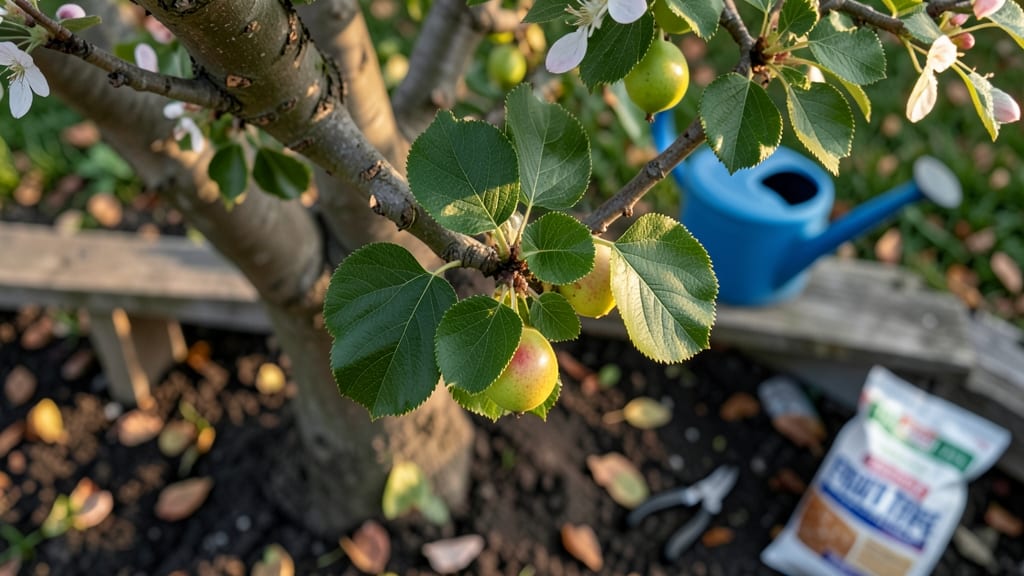
Yes, deer eat pear trees, attacking tender shoots, leaves, and fruit that can stunt growth or ruin harvests. They especially favor young bark in winter and ripe pears in late summer. Fencing and repellents are your best defenses.
Pear trees rank high on deer menus because their leaves, fruit, and bark pack essential nutrients like protein and moisture. 🌿 Young saplings are particularly vulnerable, while mature trees may escape damage if their height exceeds 8 feet.
The real danger comes during spring regrowth and late summer ripening—peak times when deer actively seek these food sources. Unlike some plants, pear trees offer multiple edible parts, making them irresistible to hungry deer herds.
Deer don't just nibble—they can completely defoliate branches or strip bark in severe cases, leaving trees weakened and susceptible to disease. The damage often starts at the tree's base, where deer reach tender shoots before moving upward.
This pattern creates a distinctive browse line that gardeners can use to identify deer activity.
💡 In This Article
- Why Deer Target Pear Trees: Plant Preferences and Feeding Habits
- Effective Deer-Proofing Strategies for Pear Trees
Why deer target pear trees: plant preferences and feeding habits
Pear trees rank high on deer menus because their foliage and fruit contain a perfect nutritional cocktail: high moisture content (about 80% in leaves), moderate protein levels (around 3-5% dry weight), and easily digestible carbohydrates.
Deer prefer plants that require minimal energy to consume, and pear leaves offer this efficiency. The tender shoots in spring contain 20-30% more protein than mature leaves, making them a protein-rich snack for fawns and does during breeding season.
Seasonal patterns dictate deer behavior around pear trees. In late winter, when natural food sources are scarce, deer strip bark from young trees because it contains stored nutrients and water.
This bark-stripping can girdle trees, killing them within weeks. 🌳 During spring regrowth (April-May), deer target new shoots because they're packed with nitrogen and sugars—ideal for lactating does.
The real peak occurs in late summer when pears ripen, offering deer a sweet, high-energy food source with 10-15% sugar content, similar to apples but with a slightly tart edge.
Tree maturity plays a crucial role in vulnerability. Saplings under 4 feet tall are at highest risk because deer can easily reach their leaves and bark. Mature trees over 10 feet often escape damage unless they're isolated in open areas where deer can jump.
The bark of mature trees is also thicker and less palatable. What's fascinating is how deer exhibit selective browsing—they'll often leave some branches untouched while completely defoliating others, suggesting they're making nutritional choices rather than eating randomly.
Comparing pear trees to other deer favorites reveals why they're so appealing. While deer also target maple, birch, and honeysuckle, pear trees offer a year-round food source with different parts available at different times.
For example, maple leaves provide protein in spring, but their bark isn't as nutritious as pear bark in winter. Blackberry canes offer summer snacks, but lack the moisture content of pear fruit. This diversity makes pear trees particularly attractive to deer herds that need reliable food sources across seasons.
Here's what happens when deer feed on pear trees: Young trees may experience stunted growth from leaf damage, while mature trees can suffer reduced fruit production by up to 70% if deer target the blossoms.
The real damage often comes from bark stripping in winter, which can kill trees by preventing nutrient transport. What's surprising is that deer rarely eat pear roots—they prefer above-ground parts because they're more accessible and nutrient-dense.
The science behind this preference lies in deer digestion. Their four-chambered stomachs are adapted to process fibrous plants, but they still prefer high-moisture, low-fiber foods like pear leaves and fruit.
The cellulose content in pear leaves (about 15-20%) is easily broken down by deer's gut microbes, making them an efficient food source. This is why you'll often see deer returning to the same pear trees repeatedly—they're getting reliable nutrition with minimal digestive effort. 💫