Size
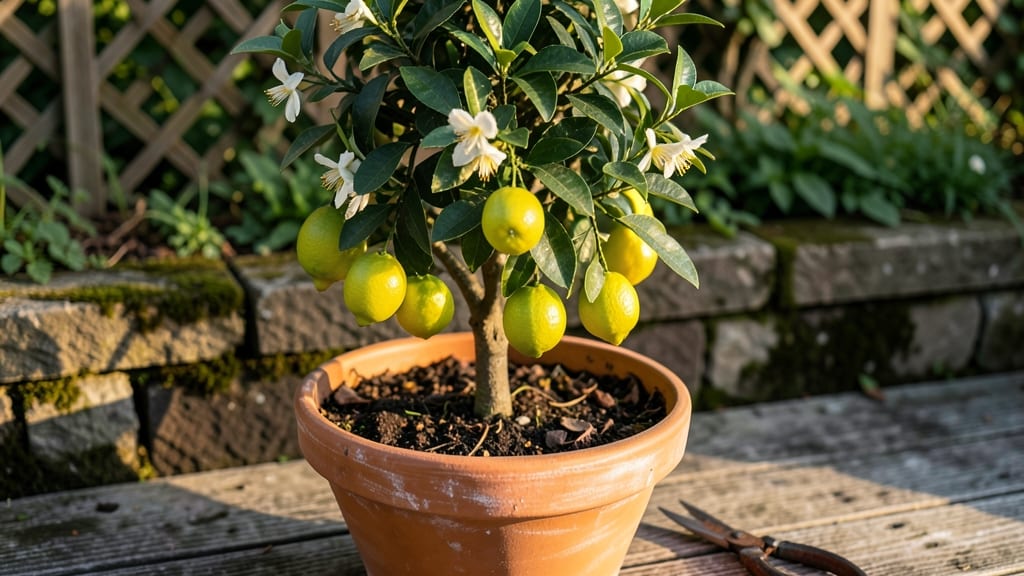
The dwarf Meyer lemon tree size makes it perfect for patios or balconies—reaching just 3 to 6 feet tall, so you can easily pluck ripe fruit while sipping your morning tea 🍋.
If you dream of fresh Meyer lemons but lack space for a full-size tree, dwarf varieties offer the perfect solution—delivering abundant fruit in a fraction of the footprint.
Unlike their standard cousins, these compact trees thrive in containers or tight garden corners, making them ideal for urban gardeners or small yards.
Understanding their size helps you pick the right spot, whether that’s a 5-gallon pot on your deck or a sunny corner of your backyard. Pruning and training can keep them even smaller, but don’t expect miracles—even dwarf trees need space to stretch their branches and bear fruit.
In this guide, I’ll break down exactly how big these trees get, how to manage their growth, and where to place them for the best harvest. You’ll learn the secrets to keeping them fruitful without taking over your space.


How big does a dwarf Meyer lemon tree really get?
When I first brought home my dwarf Meyer lemon tree, I assumed it would stay small forever—but after three years, it’s clear these trees grow bigger than most people expect. Unlike their standard counterparts (which can reach 15–20 feet), dwarf varieties still need space to thrive.
Understanding their mature height and spread is key to planning your garden or patio setup.
The average mature height of a dwarf Meyer lemon tree ranges from 3 to 6 feet, while their spread typically measures 3 to 5 feet wide. This makes them ideal for containers or small gardens, but don’t let the "dwarf" label fool you—they’re not tiny bonsai trees.
Their growth rate also depends on whether they’re planted in-ground or in pots, so let’s break down the specifics.
My dwarf Meyer lemon tree started as a 2-foot-tall sapling in a 15-gallon pot. By year two, it hit 4 feet tall and needed a larger 25-gallon container to support its roots.
This growth pattern is typical—most dwarf varieties grow 1–2 feet per year until they reach maturity. If you plant yours in-ground, expect a slightly wider spread due to unconfined root growth.
One common misconception is that dwarf trees stay small forever. In reality, they’ll continue growing until they hit their genetic height limit, which is usually 5–6 feet for most nursery-bought dwarf Meyer lemons. If you want to keep it smaller, pruning and container constraints are your best tools.
I’ve seen some gardeners use espalier training to flatten the tree against a wall, reducing its footprint by up to 50%.
For container growing, the pot size matters more than you’d think. A 15-gallon pot works for the first year, but by year two, you’ll need at least a 25-gallon container to prevent root-bound stress.
I upgraded mine to a 30-gallon pot with drainage holes, and the difference in growth was noticeable. Without proper container size, your tree may grow slower or produce fewer lemons due to root competition.
If you’re comparing dwarf Meyer lemons to standard varieties, the size difference is dramatic. A full-size Meyer lemon tree can tower over your house, while a dwarf stays at a manageable height—perfect for patios, balconies, or small yards.
That said, don’t expect a dwarf to produce the same volume of fruit as a standard tree. Yields are typically 30–50% smaller, but the flavor and sweetness remain just as exceptional.
Another factor to consider is the growth habit. Dwarf Meyer lemon trees often develop a rounded canopy rather than a tall, narrow shape. This means they’ll spread outward more than upward, which is great for creating shade or filling a corner of your garden.
If you’re placing yours near a fence or wall, leave at least 5 feet of clearance on all sides to avoid overcrowding.
My neighbor planted her dwarf Meyer lemon tree in-ground and was surprised when it started leaning toward the sun. This phototropic growth is natural, but you can control it with strategic placement. If you notice your tree growing lopsided, simply rotate the pot or transplant it to a sunnier spot.
For container growers, a self-watering pot with a saucer can also help maintain even moisture, which encourages balanced growth.
Finally, remember that pruning plays a huge role in managing size. I prune my dwarf Meyer lemon tree twice a year—once in early spring to shape it and again in late summer to remove overgrown branches.
This keeps it at a height I can easily harvest from without a ladder. Just avoid heavy pruning in fall or winter, as new growth won’t harden off before cooler weather arrives.
With the right care, your dwarf Meyer lemon tree will thrive in a compact space while still delivering a bounty of juicy, sweet lemons. Just remember: "dwarf" doesn’t mean "tiny"—it means manageable.
Plan for at least 5 feet of height and width, and you’ll be set for years of homegrown citrus enjoyment. 🌱🍋✂️
Best growing zones and climate requirements for compact Meyer lemon trees
Compact Meyer lemon trees thrive in USDA hardiness zones 8 through 11, making them ideal for warm climates like California, Florida, and Texas. These zones offer the mild winters and long growing seasons these citrus trees love.
Even in cooler zones, with the right care, you can grow them successfully in containers and bring them indoors during winter.
For gardeners in zones 6 or 7, microclimates near south-facing walls or greenhouses can create the perfect environment. These trees need consistent warmth—below 30°F (-1°C) can damage leaves, while 40°F (4°C) stunts growth. In colder regions, container growing with winter protection is key.
These trees demand at least 6 hours of direct sunlight daily, though 8+ hours yields the best fruit production. In partial shade, growth slows, and lemons may become smaller or tart.
If growing indoors, place your tree near a south-facing window or supplement with grow lights (12+ hours/day) to mimic outdoor conditions.
Temperature swings are the biggest challenge for compact Meyer lemons. Ideal daytime temps range from 70°F to 85°F (21°C–29°C), while nights should stay above 55°F (13°C).
In hot climates like Zone 10 or 11, afternoon shade can prevent leaf scorch. Use lightweight shade cloth (30%) during peak summer heat to protect delicate foliage.
For cooler climates, container growing offers flexibility. Choose a 15–20 gallon pot with drainage holes and move it indoors before first frost. Place near a sunny window or under grow lights and reduce watering to every 1–2 weeks during winter dormancy.
This strategy lets you enjoy lemons year-round, even in Zone 6 or 7.
If you live in a transition zone (Zone 7–8), extend the growing season with row covers or cold frames during late spring and fall. These protective barriers trap heat and shield young trees from light frosts (28°F/-2°C)mulching to insulate roots and maintain consistent soil temps.