Blooming
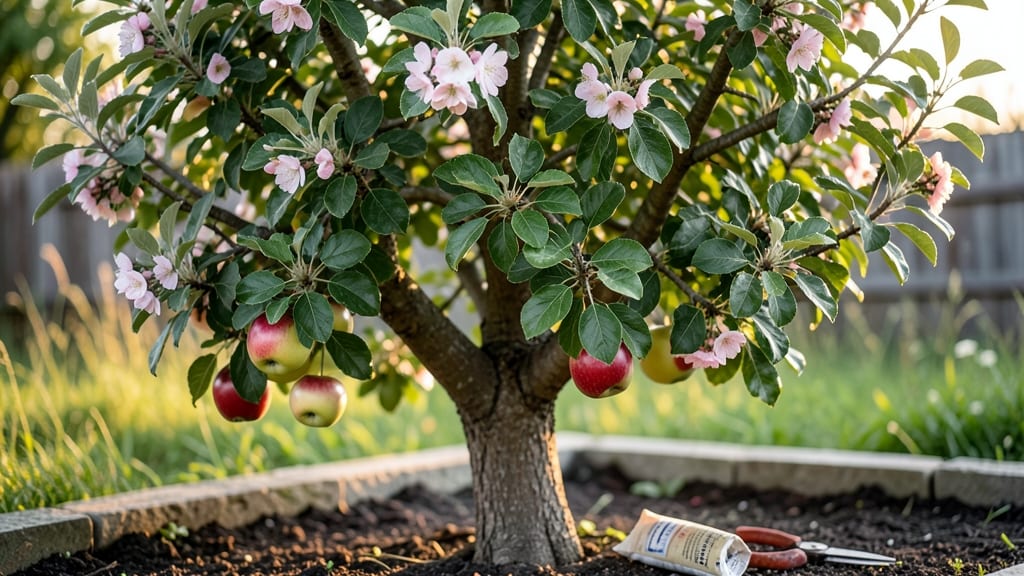
Understanding the fruiting timeline helps set realistic expectations for your orchard. 🌳 Dwarf varieties like 'Columnar' or 'Semi-Dwarf' trees often produce their first harvest in just 2-3 years, making them ideal for home gardeners with limited space.
Meanwhile, full-size standard trees—like those grown for commercial orchards—can take up to 7 years, especially if planted from seed rather than grafted. The key factor here is the rootstock: smaller rootstocks promote faster fruiting by reducing the tree's energy focus on growth rather than root development.
What many growers don't realize is how critical the first few years are for establishing strong structural roots. 💫 Even if your tree starts flowering early, poor root development can lead to weak fruit production or even tree collapse.
I've seen cases where impatient gardeners prune too aggressively in the first year, only to delay fruiting by another season. The secret lies in balancing pruning, fertilization, and watering to encourage both root growth and flowering simultaneously.
💡 In This Article
- Apple Tree Varieties and Their Fruiting Timelines
- Speeding Up Apple Tree Fruit Production: Essential Care Tips
Apple tree varieties and their fruiting timelines
The fruiting timeline of apple trees varies dramatically based on the variety and rootstock. For example, the Honeycrisp—a popular choice for home orchards—typically begins producing fruit within 4-5 years when grafted onto a semi-dwarf rootstock.
In contrast, the Granny Smith, known for its tart flavor, often takes 5-6 years to bear fruit on the same rootstock.
This difference stems from inherent growth habits: Honeycrisp trees mature faster due to their vigorous yet balanced growth pattern, while Granny Smith focuses more energy on root development before flowering.
Rootstock size plays a pivotal role in determining how quickly a tree fruits. Dwarf rootstocks (like M.9) can produce fruit in as little as 2-3 years, while standard rootstocks (such as seedling or MM.111) may delay fruiting until 6-7 years.
The reason? Dwarf rootstocks restrict the tree's overall size, forcing it to allocate more energy to flowering and fruiting rather than vertical growth.
For instance, a Fuji apple tree on a dwarf rootstock might yield its first harvest in 3 years, whereas the same variety on a standard rootstock could take 6 years. This size-to-fruiting relationship is why home gardeners often prefer dwarf varieties—they’re space-efficient and productive sooner.
Early-bearing varieties like Anna or Haralson are exceptions to the rule, often producing fruit within 2 years of planting. These trees prioritize flowering over growth, making them ideal for small spaces or container gardening. However, their fruit may be smaller or less flavorful compared to later-maturing varieties.
On the opposite end, late-maturing types like Pink Lady or Braeburn can take 6-7 years to reach full production, but their reward is larger, more robust fruit with superior storage life. The trade-off between speed and quality is a key consideration for growers.
Climate also influences fruiting timelines. Trees in warmer regions (like California or the Pacific Northwest) may fruit 1-2 years earlier than those in colder climates (e.g., the Midwest or Northeast).
For example, a Gala tree in Zone 8 might bear fruit in 3 years, while the same tree in Zone 5 could take 5 years. This delay occurs because colder winters trigger dormancy, slowing early growth and flowering.
Additionally, pollination requirements can extend fruiting times—some varieties, like McIntosh, need a second tree for cross-pollination, which may delay consistent yields by another year.
Here’s a quick comparison of common varieties and their typical fruiting windows:
- Early-bearing: Anna (2 years), Haralson (2-3 years)
- Moderate: Honeycrisp (4-5 years), Fuji (3-4 years on dwarf rootstock)
- Late-maturing: Granny Smith (5-6 years), Pink Lady (6-7 years)
Understanding these timelines helps you plan your orchard strategically. For instance, pairing an early-bearing variety like Anna with a late-maturing type like Granny Smith ensures a longer harvest season. Just remember: patience and proper care are the secrets to unlocking that first bountiful crop! 🌟