
Trees
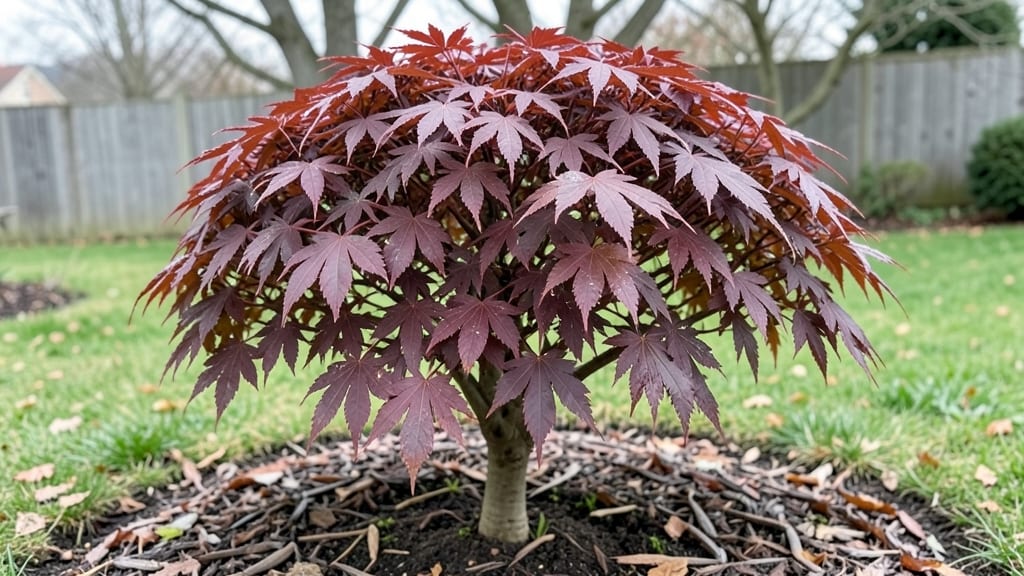
My small backyard once felt too cramped for trees—until I discovered dwarf fruit trees that deliver full-sized flavor in tiny packages. 🌿 These space-saving varieties pack ornamental beauty with edible rewards, whether you crave sweet cherries, tart plums, or miniature apples.
The right one can become a year-round focal point, from spring blossoms to autumn fruit.
I now grow a Columnar Apple that fits in a 3-foot-wide strip along my fence and a Dwarf Meyer Lemon in a large pot on my patio. Both thrive in containers or tight spots, and their compact size means no special pruning—just occasional shaping to keep them looking neat.
The key is matching the tree to your space: border varieties like Flowering Almond work well along pathways, while Dwarf Fig trees make stunning container specimens.
What you’ll love most is how these trees transform small gardens into lush, productive spaces. Imagine plucking ripe peaches from a tree no wider than your deck chair or admiring blossoms that perfume the air without taking over your yard.
They even attract pollinators and birds, turning a corner of your garden into a mini ecosystem. The best part? Many varieties produce fruit within just 2-3 years of planting.
Whether you’re lining a narrow garden bed or creating a patio oasis, these trees adapt beautifully. Pair them with low-growing perennials like lavender or ornamental grasses for a layered look, or let them stand alone as striking focal points.
The possibilities are endless—and your space will thank you for choosing small but mighty.
📚 In This Guide
- What you need
- Instructions
- Tips and common mistakes
- Wrapping up and next steps
What you need
- ● Dwarf Fruit Tree Varieties: Choose 2–5 young trees (3–5 ft tall at maturity) like Columnar Apple, Patio Pear, or Dwarf Citrus (check local climate suitability).
- ● High-Quality Potting Soil: 10–20 lbs of well-draining, organic mix (e.g., Miracle-Gro Potting Mix or Espoma Organic Potting Soil).
- ● Containers or Planters: Minimum 15–25 gallon pots (diameter ≥18 inches) for 1 tree.
- ○ Self-watering pots (optional but great for beginners!).
- ● Drainage Solutions: 1–2 inches of gravel or ceramic shards per pot.
- ● Fertilizer: Slow-release granular (e.g., Osmocote Smart-Release) or liquid (e.g., Fish Emulsion).
- ● Pruning Tools: Bypass pruners (sharp, sterilized with rubbing alcohol).
- ● Hand saw (for thicker branches, if needed).
- ○ Support Structures (Optional): Stakes or cages (for columnar varieties).
- ● Trellis (for vining types like Dwarf Grape).
- ● Sunlight: Ensure 6–8 hours of direct sun daily (adjust for citrus—partial shade in hot climates).
- ● Watering System: Drip irrigation or a watering can (avoid overhead sprinklers to prevent disease).
- ● Pest Control: Neem oil or insecticidal soap (preventative measure for aphids/scale).
- ● Seasonal Prep: Winter: Mulch (2–3 inches) for insulation.
- ● Summer: Shade cloth (30–50%) if temps exceed 90°F.
Instructions for planting and caring for dwarf fruit trees
Here’s how to set up thriving dwarf fruit trees that fit perfectly in small spaces.
🌱 Step 1: Choose the Right Varieties and Planting Spot
Select 4 dwarf fruit tree varieties—like ‘Columnar Apple,’ ‘Patio Pear,’ ‘Columnar Peach,’ or ‘Columnar Cherry’—each designed for tight spaces. These trees grow 6-10 feet tall but stay narrow, making them ideal for containers or small yards. Place them in a spot with at least 6 hours of full sun daily, as fruit production demands strong light exposure.
Test the soil pH before planting—dwarf fruit trees thrive in slightly acidic to neutral soil (pH 6.0-7.0). If your soil is heavy clay or sandy, amend it with 2-3 inches of compost mixed into the top 12 inches of soil. This improves drainage and nutrient retention, which is critical for compact root systems.
🪴 Step 2: Prepare the Planting Hole and Transplant
Dig a hole twice as wide as the root ball but only as deep—planting too deep can suffocate the tree. Loosen the roots gently if they’re circling the pot, and tease them apart to encourage outward growth. This prevents root-bound stress, which is common with container-grown dwarf trees.
Place the tree in the hole so the graft union (the bulge near the base) sits 2-3 inches above soil level. Backfill with native soil mixed with 1 gallon of compost, tamping lightly to remove air pockets. Water deeply to settle the soil and eliminate gaps around the roots. Mulch with 2-3 inches of organic mulch (like wood chips) to retain moisture and regulate soil temperature.
☀️ Step 3: Water and Fertilize for Strong Establishment
Water deeply once a week for the first 4-6 weeks, ensuring moisture reaches 6-12 inches down—this encourages deep root growth. Dwarf trees have limited root zones, so consistent moisture prevents stress. Check soil moisture by sticking your finger 2 inches deep; if it’s dry, water again. Avoid overhead watering to reduce disease risk.
Apply a balanced, slow-release fertilizer (10-10-10) at planting, then again in early spring and mid-summer. Use ½ cup per tree to avoid overfeeding, which can lead to excessive leaf growth at the expense of fruit. Organic options like fish emulsion or compost tea work well too—just follow label rates for dwarf trees.
✂️ Step 4: Prune for Shape and Fruit Production
Prune in late winter or early spring before new growth begins. Remove dead, crossing, or inward-growing branches first to improve air circulation and sunlight penetration. For columnar varieties, focus on light heading cuts to maintain the upright form—never prune more than 20% of the tree’s canopy in one season.
Thin fruit in late spring to 6-8 inches apart on branches. This ensures larger, higher-quality fruit and reduces branch stress. You’ll see fewer but bigger, sweeter fruits—worth the effort. Avoid heavy pruning after mid-summer, as new growth won’t harden off before winter.
🌿 Step 5: Protect and Maintain Through Seasons
In winter, wrap young trees with burlap or tree guards if your climate drops below 15°F. Dwarf trees are hardy but can suffer cold damage if exposed. Remove protective wraps in early spring to prevent moisture buildup and fungal issues.
Monitor for pests like aphids or mites—dwarf trees are just as susceptible as full-size varieties. Spray with neem oil or insecticidal soap at the first sign of infestation. Harvest fruit when fully ripe (color changes, slight give when gently squeezed) to maximize flavor and storage life. With proper care, these trees will produce abundant harvests for decades.
Tips & tricks for perfect dwarf fruit trees
Small spaces deserve big rewards—here’s how to maximize your dwarf fruit trees’ potential without the fuss.
Sunlight Strategy: The 6 hours of full sun requirement is non-negotiable for fruit production, but I’ve learned that morning sun (east-facing) plus afternoon shade can work in hot climates. If your spot gets intense afternoon heat, consider a 50% shade cloth during peak summer hours—this prevents sunburn while still maintaining fruit quality. Just ensure they still get their full 6 hours of light.
Soil Science: That pH 6.0-7.0 range is crucial, but don’t stress over perfect numbers. A simple soil test kit (available for under $20) reveals the truth. I’ve found that mixing 1 part compost to 3 parts native soil before planting gives dwarf trees the ideal balance of nutrients and drainage. For containers, use a mix of 60% potting soil, 20% perlite, and 20% compost—this mimics optimal garden conditions.
Watering Wisdom: The 4-6 week deep-watering window is your best chance to establish strong roots. I’ve discovered that watering early morning (between 6-8 AM) minimizes evaporation and fungal risks. For containers, check moisture every 2-3 days—they dry out faster than in-ground plantings. And here’s the thing: overwatering kills just as surely as underwatering—always let the top 2 inches dry between waterings.
Winter Protection: When temps drop below 15°F, don’t just wrap your trees—create a microclimate. I wrap mine in burlap and surround them with straw bales on the north side to block cold winds. For containers, move them to an unheated garage or against a south-facing wall. Remove wraps in early spring as soon as buds swell—delaying too long can trap moisture and promote fungal growth.
Pro Tips for Best Dwarf Trees
- Small spaces deserve big rewards—here’s how to maximize your dwarf fruit trees’ potential without the fuss.
- Sunlight Strategy: The 6 hours of full sun requirement is non-negotiable for fruit production, but I’ve learned that morning sun (east-facing) plus afternoon shade can work in hot climates.
- Soil Science: That pH 6.0-7.0 range is crucial, but don’t stress over perfect numbers.
Frequently asked questions
Got questions about dwarf fruit trees? You’re not alone! Here are answers to the most common queries to help you pick the best dwarf trees for your space—without the guesswork.
What’s the smallest dwarf tree I can grow in a container?
Look for varieties like columnar apple trees (e.g., ‘Urban Apple’) or dwarf citrus (e.g., ‘Calamondin’). These stay under 6 feet tall and thrive in 15- to 20-gallon pots. Just ensure they get 6+ hours of sunlight daily and well-draining soil!
How long does it take for a dwarf fruit tree to bear fruit?
Patience is key! Most dwarf trees take 2–5 years to fruit, depending on the variety and care. Dwarf peach trees (e.g., ‘Bonanza’) may fruit in 2–3 years, while dwarf figs (e.g., ‘Little Miss Figgy’) can produce fruit in 1–2 years with proper pruning and sunlight.
Can I grow dwarf fruit trees indoors?
Some best dwarf trees adapt to indoor life, but they need bright, artificial grow lights (12+ hours/day) and a sunny window. Citrus (like ‘Meyer Lemon’) and dwarf avocado trees work best indoors. Avoid heavy fruiters like apples or pears—they’ll struggle without outdoor conditions.
What if my dwarf tree isn’t fruiting? How can I troubleshoot?
Check these fixes:
- Sunlight: Move to a sunnier spot (most need 6–8 hours/day).
- Pollination: Hand-pollinate with a paintbrush if bees aren’t visiting.
- Soil/Nutrients: Test pH (most prefer 6.0–7.0) and fertilize with citrus-specific or fruit-tree food in spring.
- Age/Variety: Some trees (like dwarf cherries) need 3+ years to mature.
Are there non-fruiting dwarf trees for shade or ornament?
Try dwarf Japanese maples (e.g., ‘Emperor I’) for vibrant fall color, dwarf crepe myrtles (e.g., ‘Natchez’) for summer blooms, or ornamental dwarf pear trees (e.g., ‘Centennial’) for lace-like foliage. These add beauty without the harvest hassle!
Wrapping up and next steps
Choosing the best dwarf trees for your small garden is a game-changer—adding beauty, functionality, and even fresh produce without sacrificing space! 🌿 Whether you’re drawn to the delicate blooms of a Dwarf Flowering Cherry or the sweet rewards of a Dwarf Apple Tree, these compact varieties prove that big dreams fit in tiny yards.
With the right care, your garden will thrive, offering year-round interest and joy.
Ready to transform your space? Start small—pick a dwarf tree that excites you, gather your supplies, and plant with confidence! 🌱 Your future garden (and future snacks) will thank you.