
Trees
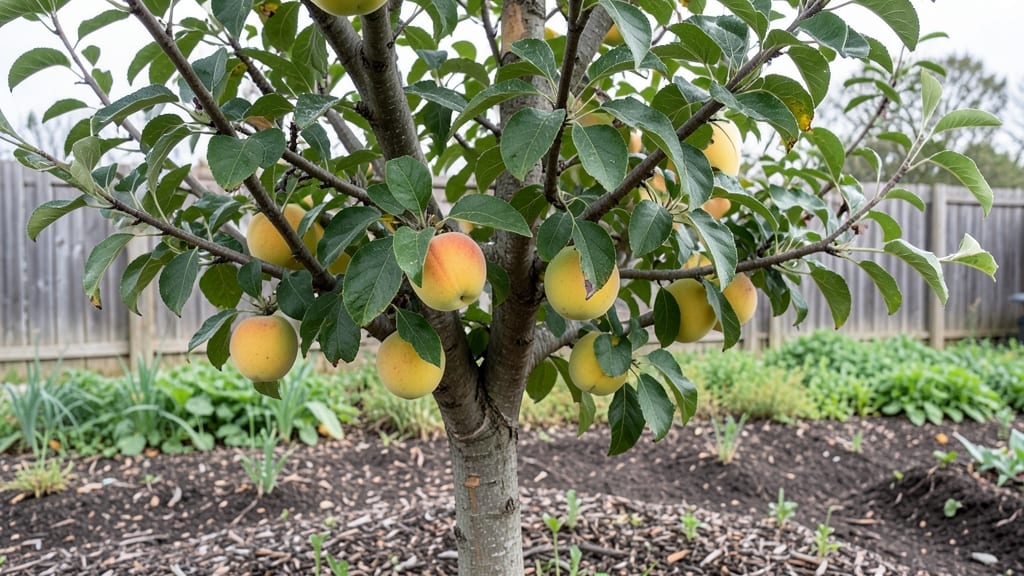
A majestic peach tree transforms any landscape into a living work of art, blending spring blossoms, summer fruit, and fiery fall foliage into one breathtaking focal point.
I planted mine as the centerpiece of my backyard, and every season delivers a new masterpiece—pale pink blooms in April, velvety peaches in July, and crimson leaves by November. The tree’s natural shape and seasonal color shifts make it the star of the show, drawing neighbors to pause and admire.
Positioning matters most for maximizing impact. Plant your peach tree where it gets full sun—at least 6-8 hours daily—and ensure 30-40 feet of space for mature growth. Pair it with low-growing perennials like lavender or ornamental grasses to frame its grandeur without competing for attention.
For year-round interest, add spring bulbs like daffodils at its base and evergreen shrubs nearby to soften the transition between seasons.
The result is a garden feature that feels both timeless and dynamic. In spring, the blossoms create a cloud of fragrance, while summer’s fruit adds texture and color. Even in winter, the tree’s silhouette stands out against snow or bare branches.
With the right variety—like ‘Redhaven’ for classic beauty or ‘Bonanza’ for disease resistance—your peach tree becomes the heart of your landscape, delivering drama and joy throughout the year.
For those with limited space, dwarf varieties or espaliered peach trees offer the same majestic presence in smaller gardens. The key is choosing a variety that thrives in your climate and giving it room to shine.
Once established, your peach tree will reward you with decades of seasonal splendor, becoming the garden’s most cherished centerpiece.
📚 In This Guide
- What you need
- Instructions
- Tips and common mistakes
- Wrapping up and next steps
What you need
- ● Peach Tree Variety: Choose between Elberta, Redhaven, or Contender (dwarf or standard, depending on space). 1-3 trees recommended for cross-pollination.
- ● Rootstock: Match to your climate (e.g., Lovell for cold regions or Halford for dwarf varieties).
- ● Well-draining soil: pH 6.0–7.0 (amend with compost if needed).
- ● Sunlight: Full sun (6+ hours/day)—no compromises!
- ● Watering system: Drip irrigation or soaker hose (peaches hate soggy roots!).
- ● Fertilizer: Balanced 10-10-10 or organic options like alfalfa meal (spring/fall).
- ● Pruning tools: Bypass pruners (for small branches)
- ● Loppers (for thicker branches)
- ● Pruning saw (for stubborn limbs)
- ● Protective netting: Bird netting (100+ ft) to shield ripening fruit.
- ● Mulch: Wood chips or straw (2–3 inches) to retain moisture.
- ● Tree ties: Soft fabric strips to support young trunks.
- ● Fruit thinners: Organic sprays (e.g., hormone-free) for even-sized peaches.
- ● Soil tester kit: To monitor nutrients year-round.
- ● Decorative stakes: For a polished, majestic garden look!
How to select and plant majestic peach tree varieties for year-round impact
Creating a striking peach tree display starts with the right varieties and precise planting techniques.
Choose Varieties for Season-Long Visual Appeal
Select four distinct peach tree varieties to ensure continuous beauty—one each for early spring blossoms, summer fruit, fall foliage, and winter bark interest. For example, pair a red-blossomed 'Redhaven' with white-flowering 'Elberta' for spring contrast, then add deep purple-fruited 'Black Diamond' for summer drama. Finish with 'Contender' for its striking red bark in winter.
Consider your climate zone when selecting. Southern gardeners can plant all four varieties, while northern growers should focus on cold-hardy varieties like 'Reliance' or 'Halehaven'. Check each variety's chilling hour requirements—most peaches need 400-800 hours below 45°F—to ensure reliable fruiting. I always verify this before purchasing, as mismatched varieties lead to poor pollination and fruit set.
Prepare the Planting Site for Optimal Growth
Choose a sun-drenched location with at least 6-8 hours of direct sunlight daily—peach trees demand full sun to produce vibrant blossoms and sweet fruit. Test the soil pH before planting; peaches thrive in slightly acidic to neutral soil (pH 6.0-7.0). If your soil tests lower than 6.0, amend with pelletized lime following package instructions.
Dig a planting hole twice as wide as the root ball but no deeper than the container's depth. Loosen the soil at the bottom of the hole with a shovel to encourage root penetration. Avoid working the native soil excessively—peaches prefer well-draining soil, and over-amending can create compaction. I always rake the sides of the hole smooth to prevent root damage during planting.
Plant Trees with Proper Spacing and Support
Space each tree 20-25 feet apart to allow full canopy development and airflow, which reduces disease risk. Dig a hole and place the tree so the top of the root ball sits 1-2 inches above ground level—this prevents water from pooling around the trunk. Backfill with the native soil you removed, tamping gently to eliminate air pockets while avoiding compaction.
Install a 4-foot wooden stake at the planting site and secure the tree with flexible tree ties, leaving room for trunk expansion. Water deeply immediately after planting to settle the soil and eliminate air gaps. Mulch the base with 3-4 inches of organic mulch, keeping it 6 inches away from the trunk to prevent rot. This mulch ring helps regulate soil temperature and retain moisture during dry spells.
Establish a Year-Round Care Routine
Water newly planted trees deeply twice weekly for the first 30 days, then taper to once weekly once established. Peach trees need 1-1.5 inches of water per week, delivered at the base rather than overhead. I always water in the early morning to reduce evaporation and fungal risks. During the first growing season, fertilize with balanced 10-10-10 fertilizer at half-strength every 6-8 weeks to encourage strong root and top growth.
Prune in late winter (before bud break) to remove dead, crossing, or diseased branches. Open the center of the tree to improve airflow and sunlight penetration. Thin out excess blossoms in early spring to ensure larger, higher-quality fruit—this prevents overburdening the tree. In fall, apply a 2-3 inch layer of mulch to insulate roots against winter cold while preventing moisture loss.
Maintain Disease Resistance and Seasonal Interest
Monitor for peach leaf curl and brown rot—two common diseases that can defoliate trees. Apply copper fungicide in late fall (after leaf drop) and early spring (before bud swell) as a preventative measure. I also spray dormant oil in late winter to smother overwintering pests. During summer, remove any mummified fruit left on the tree after harvest to reduce fungal spores.
To extend seasonal interest, plant companion shrubs like red-twig dogwood or ornamental grasses around the base. These create a layered effect while providing additional winter structure. In fall, leave fallen leaves on the ground—peach trees benefit from the organic matter, and the decomposing foliage helps regulate soil temperature. This low-maintenance approach keeps your peach trees looking majestic year-round with minimal effort.
Tips & tricks for majestic peach tree planting
Creating a showstopping peach tree display requires more than just planting—it's about strategic variety selection and precise execution that transforms your garden into a year-round masterpiece.
Variety Selection Strategy: When choosing your four varieties, prioritize complementary colors and seasons. The 'Redhaven' and 'Elberta' pairing in spring creates a stunning visual contrast that photographers will adore. For summer drama, 'Black Diamond' offers that deep purple hue that stands out against green foliage. I've learned that the winter bark of 'Contender' becomes a focal point when other plants have lost their leaves—this is where the real magic happens in colder months.
Chilling Hour Verification: The 400-800 hours below 45°F requirement is non-negotiable for successful fruiting. I can't stress this enough—many gardeners overlook this detail and end up with trees that bloom but never produce fruit. Check your local climate data and match varieties accordingly. For example, 'Reliance' thrives in northern climates with higher chilling hours, while 'Elberta' might struggle in warmer regions with fewer cold hours.
Planting Hole Precision: The planting hole technique in Step 2 is where many gardeners go wrong. Digging twice as wide as the root ball creates proper root expansion space, but the depth is equally critical. That 1-2 inch elevation above ground level might seem minor, but it prevents waterlogging that can lead to root rot. I've seen too many trees fail because they were planted too deep—this simple adjustment makes all the difference in long-term health.
Seasonal Care Calendar: The 6-8 week fertilization schedule during the first growing season is your foundation for strong growth. I recommend marking your calendar with these intervals to avoid missing applications. The early morning watering routine isn't just about timing—it's about giving your trees the full 1-1.5 inches of water they need without promoting fungal growth from evening moisture. This disciplined approach builds resilience that shows in every season of your trees' development.
Pro Tips for Majestic Peach Trees
- Creating a showstopping peach tree display requires more than just planting—it's about strategic variety selection and precise execution that transforms your garden into a year-round masterpiece.
- Variety Selection Strategy: When choosing your four varieties, prioritize complementary colors and seasons.
- Chilling Hour Verification: The 400-800 hours below 45°F requirement is non-negotiable for successful fruiting.
Frequently asked questions
How long does it take for a peach tree to bear fruit?
A newly planted peach tree typically takes 2–4 years to bear fruit, depending on the variety and growing conditions. Dwarf varieties may fruit sooner (1–2 years), while standard trees can take longer. Patience pays off—healthy trees reward you with abundant, juicy peaches for decades!
Are peach trees cold-hardy? What zones do they thrive in?
Most peach trees thrive in USDA Hardiness Zones 5–9, but they’re sensitive to late frosts. Choose cold-hardy varieties like ‘Reliance’ or ‘Redhaven’ for Zones 5–6. Protect young trees with frost cloth or mulch in early spring. Heat tolerance is also key—peaches need 200–500 chill hours annually.
What pests or diseases should I watch for with peach trees?
Common threats include peach leaf curl (fungal), aphids, and peach tree borers. Prevent leaf curl with dormant-season copper spray. For borers, wrap trunks with burlap + sticky traps. Prune for airflow to reduce fungal risks. Monitor regularly—early action keeps your tree majestic and healthy!
Can I grow peach trees in containers? What’s the best setup?
Yes! Dwarf varieties like ‘Bonanza’ or ‘Sanguinelle’ thrive in 15–20 gallon pots with well-draining soil. Use a large container with drainage holes and repot every 2–3 years. Place in full sun and water deeply when soil is dry. Fertilize monthly in growing season for best results.
How do I prune a peach tree for maximum beauty and fruit?
Prune in late winter/early spring (before buds swell) to remove dead, crossing, or overcrowded branches. Aim for an open-center shape to improve airflow. Thin fruit clusters to 6–8 inches apart in summer for larger peaches. Sanitize tools between cuts to prevent disease.
What’s the best way to harvest and store peach tree fruit?
Peaches ripen unevenly—pick when they’re slightly soft and fragrant (color alone isn’t enough!). Store at room temp for 2–3 days or refrigerate for up to 2 weeks. For long-term storage, freeze peeled slices or can them. Pro tip: Use a fruit picker to avoid bruising!
Wrapping up and next steps
Choosing the right majestic peach trees for your garden isn’t just about aesthetics—it’s about crafting a year-round masterpiece of color, fragrance, and fruit. Whether you’re drawn to the delicate blooms of Prunus persica ‘Bonanza’ or the bold foliage of Prunus persica ‘Frostweed,’ each variety offers something special.
With the right care and a little patience, your backyard can become a vibrant showcase of nature’s beauty.
Ready to get started? Take the next step:
- 🌱 Research local climate zones to pick the best varieties for your area.
- 🛒 Gather your tools and plant your peach tree with confidence!