Pests
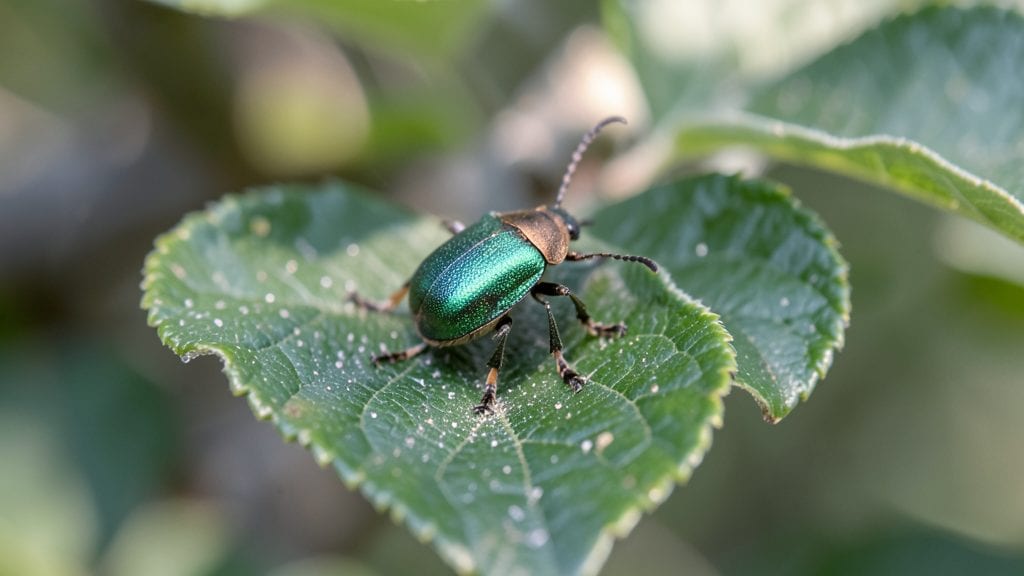
Those insects on apple tree leaves—whether aphids, mites, or leafrollers—can quickly turn your dream harvest into a frustrating puzzle. 🌿 I’ve spent years watching those little invaders twist vibrant green leaves into skeletonized messes, and I’ve learned which natural remedies actually work without harming your fruit.
The first step is identifying the culprit: aphids cluster on new growth, mites leave fine webbing, and leafrollers create rolled-up leaves.
Once you know what you’re dealing with, you can choose the right approach—soapy water sprays for aphids, neem oil for mites, or introducing beneficial insects like ladybugs to handle leafrollers naturally.
By acting early, you’ll protect your tree’s health and keep those apples sweet and blemish-free. The key is consistency: check leaves weekly, treat at the first sign of trouble, and your tree will bounce back stronger than ever.
Whether you’re dealing with a single branch or a full infestation, these methods work for both small backyard orchards and larger home gardens. Let’s get your apple tree back to producing those juicy, pest-free fruits you love.
Root Causes of Leaf Invaders
When you spot tiny critters munching on your apple tree’s leaves, it’s rarely just random bad luck—these pests are drawn to your tree for specific reasons. Understanding why they’re there is the first step to kicking them out for good.
Below, we break down the most common triggers, from environmental factors to tree health, so you can address the real issue and protect your harvest.
Apple trees, like all plants, rely on a mix of natural defenses—thick waxy layers, bitter-tasting compounds, and even chemical signals—to fend off pests. But when these defenses weaken, insects see your tree as an all-you-can-eat buffet. Here’s what strips away that protection:
- Nutrient Deficiencies:
Lack of key nutrients like nitrogen, phosphorus, or micronutrients (e.g., zinc or magnesium) stresses the tree, making leaves softer and more appealing to chewers like aphids or tent caterpillars. Example: Yellowing leaves often signal nitrogen deficiency, while stunted growth may point to phosphorus or potassium shortages.
- Water Stress:
Too much or too little water disrupts the tree’s ability to produce defensive compounds. Overwatering leads to fungal issues (like powdery mildew), which attract sap-sucking pests, while drought weakens roots, making the tree vulnerable to borers and beetles.
- Physical Damage:
Broken branches, sunburn, or hail scars create entry points for pests like the apple maggot or codling moth. Even pruning wounds that aren’t sealed properly can invite infestations.
💡 Pro Tip: Conduct a simple soil test (available at garden centers) to check nutrient levels. Amend soil with compost or organic fertilizers in early spring to bolster defenses before pests wake up.
Insects don’t just show up—they’re lured by specific conditions that make your apple tree look like a five-star resort. These factors turn your orchard into a pest paradise:
| Factor | How It Attracts Pests | Actionable Fix |
|---|---|---|
| 🌿 Dense, Untended Foliage | Thick canopies trap moisture and provide hiding spots for aphids, mites, and leafrollers. | Prune in late winter to improve airflow and sunlight penetration. |
| 🌡️ Warm, Humid Microclimates | Pests like the woolly apple aphid thrive in stagnant, damp air under dense branches. | Use drip irrigation (instead of overhead watering) to keep leaves dry. |
| 🍏 Overripe or Fallen Fruit | Fermenting fruit attracts fruit flies, maggots, and beetles, which then spread to healthy leaves. | Pick up fallen fruit daily during harvest season. |
| 🌳 Nearby Weeds or Wild Hosts | Many pests (e.g., spotted lanternfly) use weeds like multiflora rose or blackberry as nurseries before migrating to apple trees. | Clear a 10-foot radius around the tree of weeds and alternative hosts. |
✨ Key Insight: Pests often follow a pattern: they move from weeds → wild plants → cultivated trees. By eliminating their "starter homes," you disrupt their life cycle.
Some insects are drawn to apple trees at specific stages of their life cycle, often tied to the tree’s growth phases. Timing is everything:
- Early Spring:
As buds swell, apple sawfly larvae and leafcurling midges emerge to feed on tender new leaves. These pests target soft, unfolding foliage because it’s high in water and easy to digest.
- Bloom Season:
Pollinators like bees are active, but so are apple blossom weevils and codling moths. These pests lay eggs in flower clusters, ensuring their larvae have direct access to leaves and fruit.
- Summer Heat:
Drought-stressed trees produce sticky honeydew (a byproduct of sap-sucking pests like aphids), which attracts sooty mold and ants. The ants, in turn, protect aphids in exchange for honeydew.
- Late Summer/Fall:
As leaves senesce (age and yellow), pests like the obliquebanded leafroller target them for overwintering. They roll leaves into protective shelters to survive cold months.
🎯 Strategic Timing Tip: Monitor your tree’s growth stages (use a growth calendar) and apply natural remedies before pests arrive—e.g., neem oil in early spring for sawflies or pheromone traps in bloom season for moths.
Once you identify why pests are targeting your apple tree, you can tailor solutions to disrupt their plans. The next step? Natural fixes that work—without harsh chemicals.
Quick Fixes for Leaf-Eating Invaders
If your apple tree leaves are under siege by insects, don’t panic—there are effective, natural ways to reclaim your tree’s health without harsh chemicals. Below, we’ve mapped out targeted solutions based on the most common culprits, along with prevention tips to keep pests away for good.
Signs: Sticky residue (honeydew), curled leaves, clusters of tiny green/black bugs. Fix:
- Blast them off 💦: Spray leaves with a strong stream of water (aphids hate this!). Repeat every 3–4 days until they disappear.
- Neem oil spray 🌿: Mix 1 tsp neem oil + 1 tsp mild soap + 1 quart water. Spray early morning or late evening to avoid harming bees. Reapply after rain.
- Ladybugs to the rescue! 🐞: Release beneficial insects like ladybugs or lacewings—they love eating aphids.
Prevention:
- Encourage diversity in your garden (marigolds, dill, and fennel repel aphids).
- Prune regularly to improve airflow and reduce hiding spots.
Signs: Silky webs, chewed leaves, fuzzy caterpillars in nests. Fix:
- Manual removal 👨🍳: Wear gloves and prune nests off with scissors (drop them in soapy water to kill larvae).
- Bacillus thuringiensis (Bt) 🔥: A natural bacteria that kills caterpillars but is safe for other life. Mix with water and spray evenly on leaves.
- Hanging traps 🕷️: Place pheromone traps (available at garden centers) to disrupt mating.
Prevention:
- Remove old nests in late winter/early spring before eggs hatch.
- Plant wormwood or tansy nearby—their scent deters caterpillars.
Signs: Leaves rolled into tubes, sawdust-like frass (poop), small holes. Fix:
- Disrupt their hiding spots 🌬️: Use a shop vacuum to suck up rolled leaves (empty the bag outside).
- Diatomaceous earth (DE) ⏰: Sprinkle food-grade DE around the tree trunk and on leaves. It dehydrates insects without chemicals.
- Pheromone traps 🎯: Hang leafroller-specific traps to catch adult moths before they lay eggs.
Prevention:
- Keep the area clean—remove fallen leaves where larvae hide.
- Apply kaolin clay (like Surround WP) to leaves to create a slippery barrier they can’t chew through.
Signs: Small white grubs in leaves/fruit, serrated leaf edges, tunnels in apples. Fix:
- Yellow sticky traps 🎨: Hang yellow cards coated in Tanglefoot to catch adult flies.
- Spinosad spray 🌿: A natural bacteria-based pesticide (Orius or Captain Jack’s) that kills maggots. Spray every 7–10 days.
- Row covers 🛡️: Cover young trees with fine netting to block adult flies from laying eggs.
Prevention:
- Harvest early—pick apples before maggots mature (late July–early August).
- Drop cloths 🧹: Place tarps under trees to trap falling infested fruit.
- Healthy trees = fewer pests 🌱:
- Water deeply (1 inch per week) to stress-free trees.
- Fertilize in early spring with compost or organic matter.
- Encourage predators 🐝:
- Plant bee-friendly flowers (lavender, clover) to attract parasitic wasps and ladybugs.
- Monitor regularly 👀:
- Check undersides of leaves and new growth weekly.
- Rotate remedies ⚡:
- Pests build resistance—switch methods every few weeks.
Pro Tip: 🌡️ Timing is everything! Most pests are most vulnerable early morning or late evening—that’s when sprays work best.
By acting fast and strategically, you can save your apple tree’s leaves—and your harvest—without resorting to chemicals. 🍏💚
Frequently asked questions
What are the most common insects that attack apple tree leaves?
Look for aphids (tiny green/black clusters), mites (silky webbing), or leafrollers (rolled leaves with sawdust-like frass). Other troublemakers include tent caterpillars (silky nests) and apple maggots (white grubs in fruit). Check both leaf surfaces and fruit for signs.
How do I tell if my apple tree has a serious infestation?
Watch for 50%+ leaf damage, visible webbing, or honeydew buildup (sticky residue). If you see new growth stunted or fruit deformities, it’s time to act fast. A quick shake test—tap branches over a white sheet—reveals hidden pests like mites or aphids.
Can I use home remedies for all apple tree pests?
Most soft-bodied pests (aphids, mites) respond well to neem oil or soapy water sprays, but hard-shelled pests (leafrollers, maggots) need Bacillus thuringiensis (Bt) or diatomaceous earth. Always test remedies on a small branch first to avoid harming beneficial insects.
When is the best time to treat apple tree pests?
Act early spring (before buds swell) or late evening to avoid harming pollinators. For leafrollers, treat in late summer when they’re most active. Apply sprays every 7–10 days until pests disappear, and always reapply after rain.
Will chemical pesticides harm my apple harvest?
Most conventional pesticides have wait periods (check labels) before harvesting. For organic safety, stick to neem oil, kaolin clay, or beneficial insects. Always follow instructions precisely to avoid residue on fruit.