
How To
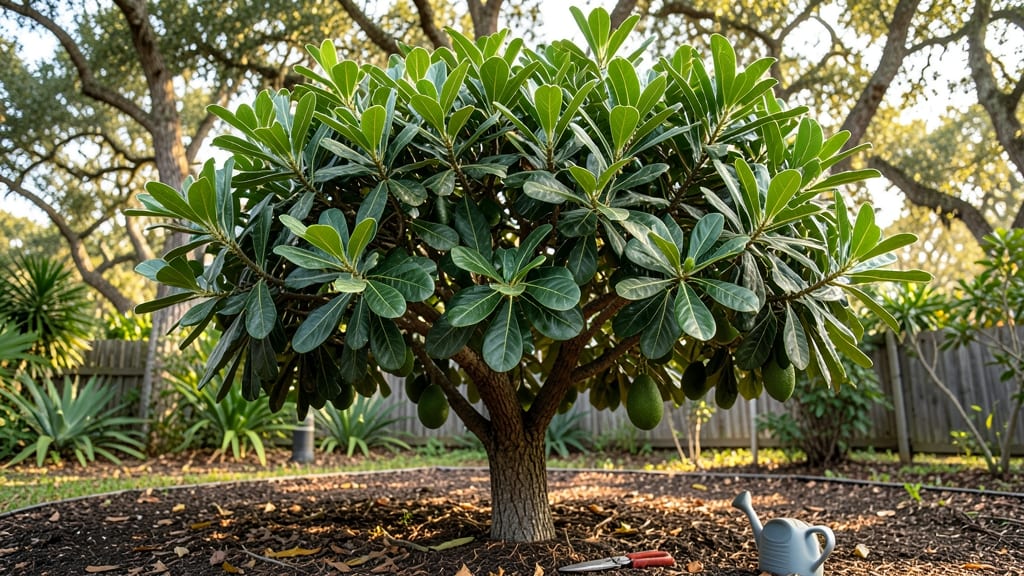
Wondering how tall an avocado tree can grow? With the right variety and care, expect heights from 6 feet to over 80 feet.
Picture this: a backyard dwarf tree in a container next to a towering 50-foot giant in a tropical garden. The difference isn’t just genetics—it’s sunlight, soil, and whether you prune or let it grow wild.
I’ve seen both extremes, and the right conditions can shrink a giant or stretch a dwarf.
Most home growers in Zone 6 will deal with container-grown trees, which stay manageable at 6–15 feet if pruned regularly. But even dwarf varieties can bolt upward if neglected. The key is knowing what to expect—and how to control it—before you plant.
Below, I’ll break down the height stages by variety, how to keep your tree in check, and the simple tricks that make the difference between a stunted shrub and a lush, fruit-bearing giant.


Avocado tree height by variety: dwarf to giant growth expectations
Choosing an avocado tree variety isn’t just about flavor—it’s about space. Some varieties grow as tall as a 3-story building, while others stay compact enough for patio containers. The key lies in genetics and grafting, where growers combine rootstocks with desired fruit-bearing varieties to control height.
For example, a Hass avocado grafted onto a dwarf rootstock might reach just 10 feet, while the same variety on standard roots could tower to 60 feet.
Understanding these differences helps you plan your garden layout. Whether you’re working with a small urban yard or a sprawling rural property, selecting the right variety ensures your avocado tree thrives without overwhelming your space.
Let’s explore how popular varieties compare in mature height and which options work best for containers or tight spaces.
The Hass variety dominates home gardens because of its rich flavor and adaptability, but its standard height of 40-60 feet makes it impractical for small spaces.
That’s where dwarf grafting comes in—a technique where the top (scion) of a Hass tree is grafted onto the roots of a dwarfing rootstock like Mexican or West Indian varieties. This combo keeps the tree manageable while preserving the Hass fruit characteristics.
If you’re growing in containers or urban settings, look for Lamb Hass or Wurtz varieties, which naturally stay under 15 feet when dwarf-grafted. These are perfect for patios or balconies in warmer climates (Zones 9-11).
Even in colder zones like Zone 8, container-growing allows you to move trees indoors during winter, protecting them from frost.
For large rural properties, varieties like Reed or Bacon offer impressive fruit size but require ample vertical space. Reed avocados, for example, can reach 80 feet in ideal conditions, making them better suited for orchards or estate gardens.
Their height isn’t just about aesthetics—it’s about fruit production, as taller trees often yield more avocados over time.
One common misconception is that all avocado trees need massive yards. In reality, with the right grafting and pruning techniques, even Hass trees can be kept under 15 feet in containers.
The trick is starting with a dwarf rootstock and maintaining regular pruning to control growth. This approach lets you enjoy homegrown avocados without sacrificing your backyard’s other plants.
When selecting a variety, also consider climate compatibility. Some dwarf varieties, like Wurtz, tolerate cooler temperatures better than others, making them ideal for Zone 8 gardens.
Meanwhile, Bacon avocados thrive in hot, dry climates and are more drought-tolerant. Matching your variety to your microclimate ensures healthier growth and fewer height-related surprises as the tree matures.
If you’re new to avocado growing, start with a dwarf-grafted Hass in a 15-gallon container. This gives you a manageable size while still producing high-quality fruit. Over time, you can experiment with other varieties or even pollination partners (since avocado trees require cross-pollination for fruit set).
Just remember: the smaller the tree, the more attention it needs for watering, fertilizing, and pruning to stay compact.
For those with
How growing conditions affect avocado tree height: sun, soil, and climate factors
Your avocado tree’s final height isn’t just about genetics—it’s heavily influenced by sunlight exposure, soil conditions, and climate zones. In ideal settings, a standard variety can reach 80 feet, while poor conditions may stunt it to half that size.
Understanding these factors lets you optimize growth and fit your tree into your space, whether that’s a container patio or a backyard orchard.
For example, a Hass avocado in Zone 10 with well-draining soil and full sun will grow aggressively, while the same variety in Zone 7—unless container-grown—may struggle to exceed 15 feet.
The difference comes down to temperature tolerance, water availability, and pruning habits, all of which we’ll break down to help you control your tree’s height.
Let’s start with sunlight, the most critical factor. Avocado trees thrive with 6-8 hours of direct sun daily. In partial shade, growth slows dramatically—expect 20-30% less height over 5 years.
For instance, a Fuerte avocado in full sun might hit 30 feet in a decade, while the same tree in dappled shade may only reach 20 feet.
If your yard has limited sun, consider grow lights for container trees or choose a north-facing spot with reflective surfaces to maximize light.
The soil’s drainage directly impacts root health, which in turn affects height. Avocados hate soggy roots—waterlogged soil leads to root rot, which weakens the tree and stunts vertical growth. Amend heavy clay with perlite or sand to create a fast-draining mix.
In sandy soils, add compost or coconut coir to retain moisture without suffocating roots. A well-aerated root system allows your tree to absorb nutrients efficiently, fueling faster upward growth.
Climate plays a huge role in height potential. Trees in USDA Zones 9-11 grow 2-3x faster than those in Zones 7-8, where winter chills can damage new growth.
For example, a Bacon avocado in California’s coastal zone may reach 50 feet in 15 years, while the same tree in Georgia might only grow 15 feet without winter protection.
If you’re in a cooler zone, prioritize container growing or microclimates near south-facing walls to extend the growing season.
Pruning isn’t just for shaping—it’s a tool to control height. Regular structural pruning in late winter or early spring encourages horizontal branching and prevents vertical dominance. For container trees, prune 1/3 of the top growth annually to keep them under 10 feet.
Avoid heavy pruning in summer, as this stresses the tree and can reduce next year’s growth. Use sterilized pruners to prevent disease, and always prune just above a leaf node to promote new shoots.
To summarize, your avocado’s height is a combination of genetics, sunlight, soil health, and climate.
By optimizing these factors—like choosing a sunny spot, amending soil drainage, and pruning strategically—you can guide your tree’s growth to fit your space, whether you want a 6-foot patio tree or a towering backyard giant.
Start with the right variety for your zone, and don’t underestimate the power of consistent care!