
Companion Plants
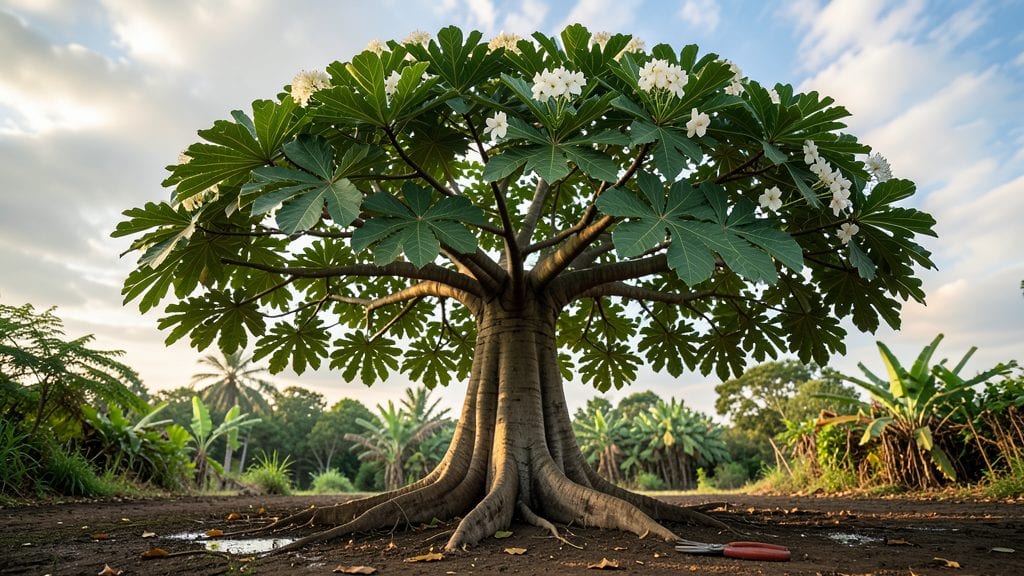
Fast-growing silk tree plants (Albizia julibrissin) turn bare yards into fragrant privacy screens within just a few years. 🌿 I planted mine last spring, and by summer, it was already taller than my fence—with those signature fluffy pink blooms that smell like cotton candy.
The best part? They thrive on neglect, making them perfect for busy gardeners or drought-prone areas.
These trees love full sun but tolerate partial shade, and their roots aren’t picky—just avoid waterlogged soil. Once established, they sip water like a camel in the desert, so you’ll rarely need to water after the first year.
The secret to their speed? Fast growth combined with minimal fuss—ideal for anyone who wants instant impact without constant upkeep.
By late spring, you’ll be rewarded with those dreamy pink pom-pom flowers that last for weeks. The foliage stays lush all summer, and when fall arrives, the leaves turn golden before dropping—adding seasonal interest.
Pruning is simple too: just shape in late winter to keep it tidy, and you’re good to go.
Works beautifully as a standalone specimen, in groups for quick hedges, or even near patios where their shade becomes a summer retreat. Here’s how to get yours growing strong from day one.
📚 In This Guide
- What you need
- Instructions
- Tips and common mistakes
- Wrapping up and next steps
What you need
- ● Silk tree plants (Albizia julibrissin): 1–3 young saplings (3–5 ft tall for faster privacy)
- ● OR seeds (soaked overnight for faster germination)
- ● Planting site: Full sun (6+ hours daily) or partial shade (for hotter climates)
- ● Well-draining soil (amend with compost if heavy clay)
- ● Space: 20–30 ft apart (for mature trees) or closer for hedges
- ● Soil prep: 5–10 lbs of compost or aged manure per planting hole
- ● 1 cup slow-release fertilizer (10-10-10 or similar)
- ● Tools: Shovel or trowel (for digging)
- ● Garden gloves (to protect your hands)
- ● Watering can or hose (with gentle spray nozzle)
- ● Mulch (2–3 inches of wood chips or pine straw)
- ● Tree stakes (if planting in windy areas)
- ● Epsom salt (1 tbsp per hole for magnesium boost)
- ● Pruning shears (for shaping young trees)
- ● Drip irrigation system (for consistent moisture)
- ● Pest control: Neem oil (preventative spray for aphids)
Step-by-Step instructions for planting silk tree privacy screens
Here's how to create a lush, fragrant privacy screen that grows quickly and thrives with minimal fuss.
🌱 Step 1: Choose the Perfect Planting Location
Silk trees need full sun to partial shade—at least 6 hours of direct sunlight daily for best growth. I always scout the site first, checking for afternoon shade from other trees or buildings. The ideal spot gets morning sun and afternoon dappled light, which keeps leaves from scorching in hot climates.
Test the soil by digging a 6-inch hole—if it feels compacted or stays wet for days, amend with 2-3 inches of compost mixed into the top 12 inches of soil. Silk trees tolerate a range of soil types but grow fastest in well-draining, slightly acidic soil with a pH between 6.0 and 7.5. If your soil is heavy clay, consider planting in raised beds to prevent root rot.
🪴 Step 2: Dig Holes and Prepare the Soil
For 4 silk trees, dig 4 holes each twice as wide and just as deep as the root ball—this gives roots room to spread without circling. I use a shovel to loosen the soil another 6 inches beyond the hole edges, breaking up any compacted layers. This encourages roots to grow outward instead of staying confined.
Mix the removed soil with 2-3 inches of compost and a handful of slow-release fertilizer (like 10-10-10) for each hole. Avoid fresh manure—it can burn delicate roots. If planting in clay-heavy soil, blend in 1-2 inches of perlite or coarse sand to improve drainage. The goal is loose, airy soil that won’t suffocate roots.
☀️ Step 3: Plant at the Right Depth and Water Thoroughly
Place each silk tree in its hole, ensuring the top of the root ball sits level with the surrounding soil—burying too deep can cause root rot, while planting too high stresses the tree. I fill the hole one-third full, then water deeply to settle the soil and remove air pockets. This first watering helps roots make contact with the amended soil.
After watering, add more soil until the hole is half full, then water again. Finish filling the hole, pressing gently to eliminate gaps. Create a 2-inch-high berm around each tree’s base to direct water toward the roots. Mulch with 2-3 inches of wood chips or shredded bark, keeping it 6 inches away from the trunk to prevent rot.
💧 Step 4: Water Deeply and Monitor Growth
Water each tree with 1-2 gallons of water immediately after planting, then 2-3 gallons weekly for the first 6 weeks. Silk trees establish roots quickly, but consistent moisture is key—especially in hot, dry climates. You’ll know they’re getting enough water when the top 2 inches of soil feel dry before the next watering.
Watch for new leaves in 4-6 weeks—this signals strong root growth. If leaves yellow or wilt, adjust watering: too much causes soggy roots, while too little leads to stress. Silk trees are drought-tolerant once established, but young plants need steady moisture. Avoid overhead watering to prevent fungal diseases like powdery mildew.
✂️ Step 5: Prune for Shape and Encourage Fullness
Lightly prune in early spring to shape the tree and remove any dead or crossing branches. I trim back overly long branches by 1/3 to encourage bushier growth—this creates a denser privacy screen faster. Avoid heavy pruning in the first year; silk trees grow 3-5 feet annually, so they’ll fill in quickly with minimal intervention.
Fertilize once in early spring with a balanced, slow-release fertilizer (like 12-12-12) to support rapid growth. Skip fall fertilization—it encourages tender new growth that won’t survive winter. Silk trees are low-maintenance, but a light feeding in spring keeps them thriving. With proper care, your privacy screen will reach 15-20 feet tall in just 3-5 years!
Tips & tricks for perfect silk tree privacy screens
Here's what I've learned from planting silk trees that grow fast and stay healthy—these tricks make all the difference.
Sunlight Secret: Those 6 hours of direct sunlight are non-negotiable for fast growth, but watch out for afternoon shade. I've seen silk trees struggle when blocked by neighboring trees or buildings after 2 PM—this can lead to weak growth and fewer blooms. If your spot gets afternoon shade, consider planting on the east side of your property to maximize morning sun exposure.
Soil Prep Game-Changer: When amending your soil with 2-3 inches of compost, don't just dump it in the hole. Mix it thoroughly with the native soil to create a uniform growing medium. I like to create a "compost sandwich"—place a 1-inch layer of compost at the bottom of the hole, then another 1-inch layer after placing the tree, and finish with the remaining compost mixed into the topsoil. This ensures roots get consistent nutrition from the start.
Planting Depth Matters: Getting the planting depth right in Step 3 is crucial—burying too deep can suffocate roots while planting too high stresses the tree. I use a simple trick: after placing the tree in the hole, press gently on the soil to compact it slightly, then check that the top of the root ball is just 1/4 inch below soil level. This tiny adjustment makes all the difference in preventing root rot while ensuring stability.
Watering Wisdom: The 2-3 gallons weekly guideline works for average conditions, but adjust based on your climate. In hot, dry areas, you might need to water every 4-5 days instead of weekly. I check soil moisture by sticking my finger 2 inches deep—if it feels dry, it's time to water. For container-grown silk trees, water when the top 1 inch of soil feels dry to the touch.
Pro Tips for Silk Tree Plants
- Here's what I've learned from planting silk trees that grow fast and stay healthy—these tricks make all the difference.
- Sunlight Secret: Those 6 hours of direct sunlight are non-negotiable for fast growth, but watch out for afternoon shade.
- Soil Prep Game-Changer: When amending your soil with 2-3 inches of compost, don't just dump it in the hole.
Frequently asked questions
Got questions about silk tree plants? You're not alone! Here are some of the most common inquiries—plus straightforward answers to help you grow a thriving privacy screen with ease.
How fast do silk tree plants grow?
Silk trees (also called mimosa trees) are fast growers! Under ideal conditions, they can add 6 to 12 feet per year—sometimes even more. In just a few years, you’ll have a lush, fragrant privacy screen. For best results, plant in well-draining soil and provide full sun.
Do silk trees need a lot of water?
While young silk trees benefit from regular watering, mature trees are drought-tolerant. Once established (after 1–2 years), they thrive with moderate watering—about 1 inch per week. Overwatering can lead to root rot, so let the soil dry out between waterings.
When do silk trees bloom, and how can I encourage more flowers?
Silk trees burst into fragrant, pink or white pom-pom blooms in late spring to early summer. To boost flowering:
- Prune in late winter or early spring to remove dead wood.
- Fertilize lightly in early spring with a balanced, phosphorus-rich formula.
- Ensure they get full sun (6+ hours daily).
Are silk trees invasive, and should I avoid them?
Silk trees (Albizia julibrissin) are not invasive in most U.S. climates (zones 6–9), but they can spread aggressively in humid, warm regions. If you’re in a mild-winter area, check local regulations or opt for slower-growing alternatives like Crape Myrtle or Fringe Tree.
Do silk trees attract pests or wildlife?
Silk trees are generally low-maintenance, but they may attract:
- Japanese beetles (use neem oil or insecticidal soap).
- Squirrels and deer (they love the seeds—consider a wire cage around young trees).
- Bees and butterflies (the flowers are a pollinator magnet! ).
How cold-hardy are silk trees?
Silk trees handle USDA zones 6–9, with most varieties surviving down to 10°F (-12°C). In colder zones, plant near a south-facing wall for extra protection. Young trees may need mulch or burlap wraps in harsh winters.
Can I grow silk trees in containers?
While possible, silk trees are not ideal for containers—they grow large (30–40 feet tall/wide) and have extensive root systems. If you must, choose a 50+ gallon pot with drainage holes and prune aggressively. For privacy screens, stick to the ground!
Wrapping up and next steps
Silk tree plants (Albizia julibrissin) are a fantastic choice for adding fast-growing privacy, fragrant blooms, and low-maintenance beauty to your landscape. Their delicate, pink or white flowers and feathery foliage make them a standout companion plant, while their adaptability ensures they thrive in various climates.
Whether you’re looking to enhance curb appeal or create a serene outdoor space, these trees deliver big results with minimal effort!
Ready to transform your yard? Start by choosing the right location, gathering your supplies, and planting with care—your future privacy screen awaits! 🌿✨