Light Requirements
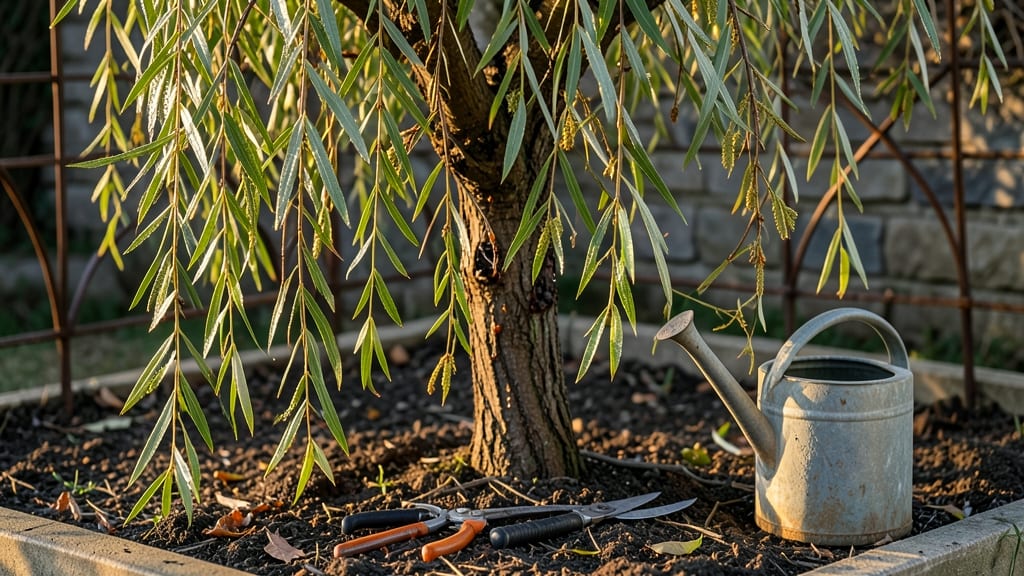
Willow tree blight turns vibrant foliage into a sad, spotted mess faster than you can say "fungal invasion." 🌿 I've seen healthy willows go from lush and green to skeletal in just a few weeks—until I learned the telltale signs and how to fight back.
The key is catching it early, when those dark spots or oozing cankers haven't taken over yet.
Most willow blight comes from Valsa sordida or Marssonina fungi, thriving in damp, humid conditions—so if your area gets sticky summers or frequent rain, you're at higher risk. The good news?
Willows are tough, and with the right moves—like pruning infected branches 6 inches below the damage and sterilizing tools—you can stop it before it spreads. I've saved multiple willows using this exact approach.
Your rescue plan starts with prevention: space trees for airflow, avoid overhead watering, and choose disease-resistant varieties like Salix babylonica if your climate is blight-prone. For active infections, copper fungicides or horticultural oil sprays work best when applied before symptoms appear.
The goal is to keep your willow looking like the graceful, weeping beauty it should be.
If the trunk starts cracking or half the canopy dies back, it's time to call an arborist—some damage is too deep for DIY fixes. But for most cases, this plan gets willows back to thriving in one growing season. Let's get those branches healthy again.
Root Causes Of Willow Decline
Willow trees, known for their graceful weeping branches and resilience, can still fall victim to blight—often due to a mix of biological, environmental, and human-related factors. Understanding these causes is the first step in prevention and treatment.
Below, we break down the key reasons why willow trees succumb to blight, with clear explanations of how each factor contributes to the problem.
Willow blight is primarily caused by fungal pathogens like Marssonina brunnea (a common leaf spot fungus) or Venturia spp., which thrive in damp conditions. These fungi infect the tree through:
- Spores in the air – Wind or splashing water spreads fungal spores from infected leaves or debris onto healthy willows.
- Wet foliage – Prolonged moisture (e.g., rain, overhead watering) creates ideal conditions for spores to germinate and penetrate leaf tissues.
- Weakened defenses – Stressed trees (due to drought, poor soil, or injury) are more susceptible to fungal attacks.
💡 Pro Tip: Remove and destroy infected leaves promptly to prevent spore spread. Prune for airflow and avoid watering foliage in the evening.
Willows are adaptable, but extreme conditions can trigger blight by weakening their natural resistance:
- Excess moisture – Poor drainage or waterlogged soil encourages fungal growth. Willow roots in soggy conditions struggle to absorb nutrients, making them vulnerable.
- Drought stress – While willows tolerate wet soils, prolonged dry spells can stunt growth, reducing the tree’s ability to fight off pathogens.
- Temperature swings – Sudden cold snaps or late springs can disrupt the tree’s growth cycle, leaving it susceptible to infections.
⚠️ Watch For: Yellowing leaves, premature leaf drop, or blackened spots—signs the tree is struggling to cope with environmental stress.
How you care for your willow can inadvertently invite blight:
- Over-fertilization – Excess nitrogen promotes lush but weak foliage, making it easier for fungi to latch on.
- Improper pruning – Cutting too late in the season (after fungal spores are active) or leaving stubs can create entry points for infections.
- Mulch buildup – Thick mulch layers trap moisture against the trunk, fostering fungal growth at the base.
🔪 Pruning Best Practices:
- ✂️ Prune in early spring (before fungal spores activate).
- 🌿 Remove 30% of the canopy to improve airflow.
- 🚫 Avoid pruning wet leaves—wait for dry conditions.
Insects like willow leaf beetles (Aphthona spp.) or sawflies can weaken willows by:
- Feeding on leaves, reducing the tree’s energy reserves.
- Creating wounds that provide entry points for fungi.
- Transmitting pathogens during feeding.
🐜 Pest Control Tips:
- 🌿 Introduce beneficial insects (e.g., ladybugs) to combat aphids.
- 🧽 Use horticultural oil in early spring to smother overwintering pests.
- 🚫 Avoid broad-spectrum pesticides—they can harm pollinators and disrupt ecosystems.
Some willow species (e.g., Salix babylonica) are more prone to blight than others due to:
- Lack of natural resistance – Hybrid or non-native willows may lack the genetic defenses of native varieties.
- Overplanting susceptible cultivars – Popular weeping willows (e.g., Salix caprea) can spread disease rapidly in dense plantings.
🌿 Species Swap Ideas:
- 🌳 Try black willow (Salix nigra)—more blight-resistant.
- 🌿 Opt for pussy willow (Salix discolor) for better disease tolerance.
Blight doesn’t disappear—it cycles through seasons:
- Infection – Fungi overwinter in fallen leaves or bark.
- Sporulation – Warm, wet springs trigger spore release.
- Reinfection – Spores infect new growth, repeating the cycle.
🔄 Break the Cycle:
- 🍂 Rake and dispose of fallen leaves in fall.
- 🌱 Apply copper fungicide in early spring as a preventive measure.
- 🌿 Space trees 10–15 feet apart to reduce humidity.
Revive Your Tree Fixes That Work
Willow tree blight can feel like a losing battle, but with the right approach, you can nurse your tree back to health—or even prevent future outbreaks. Below, we break down practical solutions tailored to the root causes of blight, from fungal infections to environmental stress.
Each fix is designed to be actionable, whether you’re a seasoned gardener or a first-time tree owner.
If your willow’s leaves are yellowing, wilting, or covered in dark spots, a fungal blight is likely the culprit. Here’s how to tackle it:
🔪 Step 1: Remove Infected Branches
- How: Use sterilized pruning shears (wipe with rubbing alcohol between cuts) to snip off all infected branches—at least 6 inches below the last visible sign of disease (spots, lesions, or discoloration).
- Why: Fungi spread through spores, and leaving infected wood behind invites reinfection.
- Pro Tip: 💡 Bag and dispose of pruned branches in the trash (not compost)—fungi can survive in mulch!
🌧️ Step 2: Improve Airflow and Drainage
- How:
- Thin out dense foliage to reduce humidity around the tree.
- Raise the soil level slightly (if water pools at the base) by adding organic matter (compost or bark chips).
- Avoid overhead watering—water at the base early in the day so leaves dry quickly.
- Why: Fungi thrive in wet, stagnant conditions.
Better airflow = fewer spores.
🛡️ Step 3: Apply Fungicide (If Needed)
- When: If blight persists after pruning, use a copper-based fungicide (like Bordeaux mixture) or a neem oil solution (1 tbsp neem oil + 1 quart water + a drop of dish soap as a spreader).
- How:
- Spray infected areas and surrounding foliage thoroughly.
- Reapply every 7–14 days during wet seasons or after rain.
- Pro Tip: ✨ Prevent future outbreaks by applying fungicide preventively in early spring (before leaves emerge).
Willow trees weakened by poor light, drought, or compacted soil are prime targets for blight. Fix these underlying issues:
🌿 Step 1: Optimize Light Exposure
- Problem: Willows need full sun (6+ hours/day) but can tolerate partial shade.
If your tree is in a shady spot, it’s more susceptible to stress and disease. - Fix: - Thin nearby trees/shrubs to let sunlight reach the canopy. - If relocating isn’t an option, fertilize lightly (see below) to boost resilience.
💧 Step 2: Water Wisely
- Signs of Over/Under-Watering:
- Wilting leaves + dry soil = drought stress (water deeply 1–2x/week).
- Yellow leaves + soggy soil = root rot (reduce watering; improve drainage).
- Best Practice:
- Deep watering (1–2 inches per week) is better than frequent shallow watering.
- Mulch (2–3 inches of wood chips) to retain moisture without suffocating roots.
🌱 Step 3: Feed for Strength
- Use a balanced, slow-release fertilizer (10-10-10 or 20-20-20) in early spring.
- Avoid high-nitrogen fertilizers—they promote leafy growth at the expense of root health, making trees more vulnerable.
- Pro Tip: 💪 Add compost annually to improve soil structure and nutrient availability.
Willow blight often hitches a ride with sap-sucking insects (like aphids or scale) that weaken the tree.
🦟 Step 1: Identify and Remove Pests
- Check for:
- Sticky residue (honeydew) on leaves = aphids or scale.
- Chewed leaves/blotchy spots = caterpillars or beetles.
- Fix:
- Blast off pests with a strong stream of water (early morning).
- Introduce beneficial insects (ladybugs, lacewings) or use insecticidal soap (mix 2 tbsp soap + 1 quart water).
🛡️ Step 2: Prevent Reinvasion
- Install tree bands (sticky traps) around the trunk to catch crawling pests.
- Encourage natural predators by planting companion plants like marigolds or dill nearby.
Once your willow is healthy, proactive care is key to avoiding future outbreaks:
| Action | How to Do It | When to Do It |
|---|---|---|
| Sanitize tools | Wipe pruners with rubbing alcohol after each use. | Before and after pruning. |
| Monitor regularly | Inspect leaves weekly for early signs of spots or wilting. | Spring through fall. |
| Aerate compacted soil | Use a garden fork to loosen soil around roots. | Early spring or fall. |
| Rotate fungicides | Alternate between copper fungicide and neem oil to prevent resistance. | Early spring and post-rainy seasons. |
Final Thought: 🌟 A willow tree’s resilience is legendary—with the right care, it can bounce back from blight stronger than ever. Act fast** at the first sign of trouble, and your tree will thank you with lush, healthy growth for years to come!
Frequently asked questions
What are the first signs of willow tree blight I should watch for?
Look for small, dark brown or black spots on leaves that may develop yellow halos. Later stages show wilting branches, oozing cankers on stems, or premature leaf drop. Act fast—catching it early means pruning infected areas before spores spread.
Can I save a willow tree if half the canopy is already dead?
It depends on the trunk’s health. If the bark is cracked or oozing, the tree may be too far gone. For partial dieback, prune 6 inches below dead areas, improve drainage, and apply copper fungicide. Monitor closely—willows recover well if roots are still healthy.
Is copper fungicide safe for willows, or will it burn the leaves?
When used correctly, copper fungicides (like Bordeaux mixture) are safe for willows. Always follow label rates—typically 1-2 tablespoons per gallon of water. Apply in early morning on dry leaves to avoid leaf scorch. Test a small branch first if your tree is sensitive.
How do I prevent willow blight from spreading to other trees in my yard?
Sanitation is key: remove and dispose of infected leaves/branches (don’t compost), sterilize pruning tools with rubbing alcohol, and space willows 10-15 feet apart for airflow. Avoid overhead watering, and apply preventive fungicide in early spring before spores activate.
Are there blight-resistant willow varieties I should plant instead?
Yes! Consider Salix nigra (black willow) or Salix discolor (pussy willow)—both tolerate blight better than weeping willows. Native willows often have stronger natural defenses. Always buy from reputable nurseries to avoid introducing infected stock.