Size
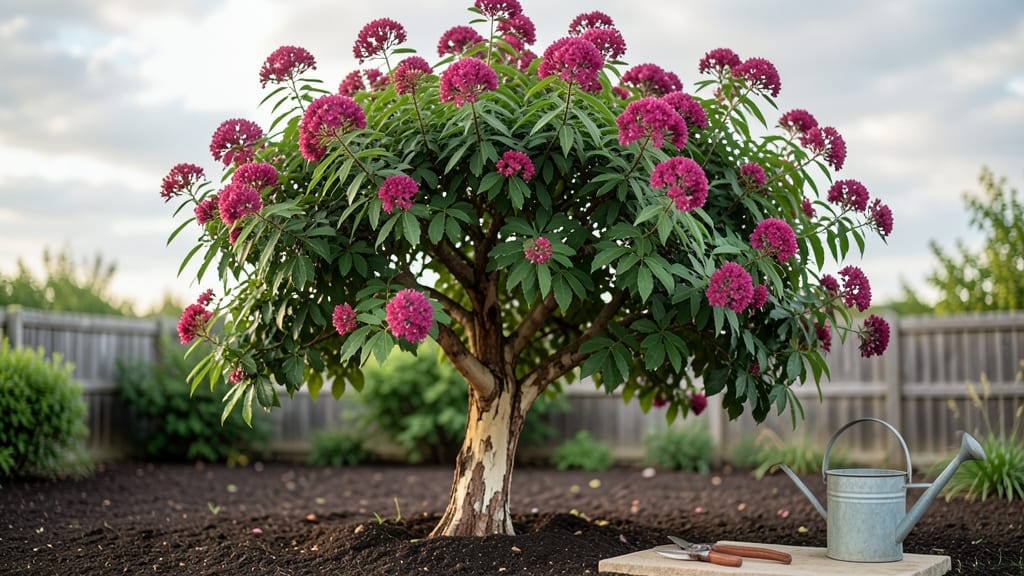
A crape myrtle tree 🌸 can grow anywhere from 6 feet to towering 30 feet tall, depending on the variety you choose—some stay small enough for containers while others become towering landscape anchors.
If you're dreaming of a stunning, low-maintenance tree that blooms with vibrant color but aren’t sure how much space to dedicate, crape myrtles might be your perfect match—but their size varies dramatically by variety. One could dwarf your patio while another stays neatly contained in a small yard.
Dwarf varieties like 'Centennial' max out around 6-10 feet, making them ideal for urban gardens or small yards, while standard types like 'Muskogee' can reach 20-30 feet, perfect for privacy screens or shade trees. The key? Choosing the right type for your space before planting.
Below, I’ll break down the exact height and spread ranges for popular varieties, how to pick the best fit for your yard, and pruning tips to keep your tree at the perfect size—no surprises when it outgrows its welcome.
Crape myrtle tree size by variety: height and spread guide
Choosing the right crape myrtle variety means balancing your yard’s space with the tree’s mature height and spread. Some varieties grow tall enough to shade a small house, while others stay compact enough for a container garden.
The key is understanding how each type grows to avoid overcrowding or underutilized space.
Crape myrtles typically reach maturity in 3-5 years, but their final size depends entirely on the variety. Dwarf types like 'Centennial' top out at just 6 feet tall, while standard varieties like 'Natchez' can tower over 25 feet.
Even within similar categories, spread can vary dramatically—some stay narrow, while others develop wide canopies.
Here’s a quick reference for popular crape myrtle varieties and their mature dimensions, compared to everyday objects for perspective. This will help you visualize how each fits into your landscape before planting.
🌱
| Variety | Mature Height | Mature Spread | Size Comparison | Best For |
|---|---|---|---|---|
| Centennial | 6-8 ft | 4-6 ft | Taller than a mailbox | Containers, small yards |
| Muskogee | 12-15 ft | 10-12 ft | Taller than a basketball hoop | Privacy screens, medium yards |
| Avalanche | 15-20 ft | 12-15 ft | Taller than a car | Shade trees, large landscapes |
| Natchez | 20-25 ft | 15-20 ft | Taller than a garage door | Statement trees, large properties |
| Tonto | 10-12 ft | 8-10 ft | Taller than a picnic table | Urban gardens, patios |
| Sioux | 25-30 ft | 20-25 ft | Taller than a 2-car garage | Large estates, park settings |
If you’re working with limited space, dwarf varieties like 'Centennial' or 'Tonto' are ideal for containers or small yards. These stay under 12 feet tall and 10 feet wide, making them perfect for patios or urban gardens where larger trees would overwhelm the area.
For medium-sized yards, varieties like 'Muskogee' or 'Avalanche' strike a balance. They provide ample shade and stunning blooms without dominating the landscape. These typically reach 15-20 feet tall and spread 10-15 feet wide, making them versatile for privacy screens or focal points.
If you have a large property or want a statement tree, go for standard varieties like 'Natchez' or 'Sioux'. These can grow over 25 feet tall and develop wide canopies, offering year-round interest with their exfoliating bark and vibrant fall foliage.
When planning your crape myrtle’s location, account for both height and spread. A tree planted too close to a sidewalk or foundation can cause root damage or structural issues as it matures. Always leave at least 3-5 feet of clearance from structures, depending on the variety’s mature size.
🌿
One final tip: Fast-growing varieties like 'Sioux' or 'Natchez' can add 3-5 feet of height per year in ideal conditions. If you’re impatient for shade or privacy
How to choose the right crape myrtle size for your space
Selecting the perfect crape myrtle size for your landscape starts with understanding your space’s limitations and goals. Whether you need a privacy screen, a shade tree, or a container-friendly specimen, the wrong choice can lead to overcrowding or wasted potential.
For example, a Muskogee crape myrtle can grow 20-30 feet tall, while a dwarf variety like 'Centennial' stays under 6 feet. Matching the tree to your yard’s dimensions ensures harmony and reduces future headaches.
Before purchasing, measure your available space and consider the tree’s mature spread, not just its height. A standard crape myrtle may need 10-15 feet of clearance from structures, while a weeping variety like 'Tonto' spreads wider than it grows tall.
Skimping on space can lead to root competition with sidewalks or foundations, causing cracking or poor growth. Always plant at least 5-6 feet away from hardscapes for long-term health.
Sunlight exposure also dictates size potential. Crape myrtles thrive in full sun (6+ hours daily), but partial shade can stunt growth. If your yard has limited sunlight, opt for a dwarf or semi-dwarf variety to avoid disappointment. For instance, 'Avalanche' (a white-blooming type) grows 10-15 feet tall but adapts better to light shade than larger varieties. Test your yard’s sunlight with a sunlight map before committing.
🌳 Crape Myrtle Size Quick Guide
6-12 ft tall
Perfect for:
Containers, small yards
12-18 ft tall
Ideal for:
Medium spaces, privacy
20-30 ft tall
Best for:
Large yards, shade trees
💡 Pro Tip: Always check the mature spread (width) alongside height—some varieties spread 15+ feet!
Consider your intended use when selecting a size. For privacy screens, plant multiple semi-dwarf crape myrtles (like 'Pocomoke') in a row, spacing them 6-8 feet apart for a dense, blooming barrier.
If you’re aiming for container gardening, choose a dwarf variety like 'Centennial' and ensure the pot is at least 24 inches wide with drainage holes. Containers restrict root growth, so upgrade pot size every 2-3 years to accommodate growth.
Avoid common mistakes like planting near sidewalks or foundations. Roots can lift concrete or crack pipes over time, especially with larger varieties. If space is tight, opt for a container-grown crape myrtle or a dwarf variety and monitor root growth annually.
Another pitfall is ignoring soil drainage—crape myrtles hate soggy roots. Amend heavy clay soil with compost or sand to prevent root rot, which stunts growth and shortens the tree’s lifespan.
Finally, think long-term about future maintenance. Larger crape myrtles require regular pruning to manage height and shape, while dwarf varieties need minimal upkeep. If you’re not prepared for annual pruning or dealing with large branches, a smaller variety might suit you better.
For example, 'Yaku Princess' (a weeping type) stays under 10 feet but produces stunning cascading blooms with minimal effort.
By matching your yard dimensions, sunlight conditions, and gardening goals to the right crape myrtle size, you’ll create a low-maintenance, high-impact focal point that thrives for decades. Start small if you’re unsure, and always prioritize proper spacing and drainage for long-term success. 🌿