Pests and Diseases
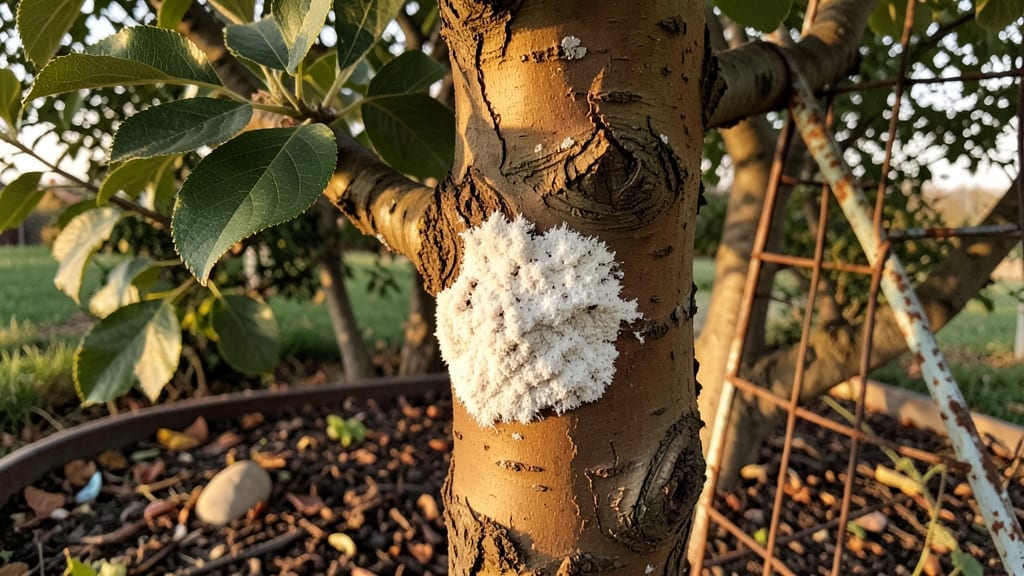
White fungus creeping up your apple tree bark isn’t just unsightly—it’s a warning sign that could weaken your tree’s defenses. 🌿 I’ve seen this silent killer turn healthy orchards into struggling survivors, and the key to saving your tree starts with knowing what you’re really dealing with.
That fuzzy white growth might look like harmless lichen, but it’s often something far more aggressive.
The culprit is usually powdery mildew or lichen, but sometimes it’s sooty mold hitching a ride on aphids. Powdery mildew thrives in warm, humid conditions, while lichen just loves moisture and old bark.
The problem? Both can spread quickly if you don’t act, and once they get a foothold, they’ll smother your tree’s bark and block its ability to absorb nutrients.
You’ll learn how to tell them apart with just a few simple tests—like running your finger over the growth or checking for black spots underneath. Once identified, removal is straightforward: scrubbing with a mix of water and mild soap for mildew, or gently scraping off lichen.
For stubborn cases, I’ll share organic sprays that work without harming bees or your fruit.
This isn’t just about cleaning up your tree—it’s about giving it a fighting chance. A well-maintained apple tree can produce fruit for decades, but neglect turns it into an easy target. Let’s get your tree back to thriving before the next growing season.
Root Causes of Bark Fungus
When you spot that unsettling white fungus creeping up your apple tree’s bark, it’s not just an eyesore—it’s a red flag for underlying issues. Understanding why this happens is the first step to stopping it before it spreads.
Below, we break down the most common triggers, backed by science and actionable insights.
Fungi thrive in damp, humid conditions, and apple trees are especially vulnerable when their bark stays wet for prolonged periods. Here’s why:
- Rain & Overwatering: Apple trees need consistent moisture, but too much creates the perfect breeding ground. Bark that remains damp for more than 24 hours (especially in shaded or poorly ventilated areas) encourages fungal spores to germinate.
- Compacted Soil: If the soil around your tree doesn’t drain well—whether due to clay, poor mulching, or root damage—water pools at the base, saturating the bark. Fungi like Nectria or Botryosphaeria (common culprits) exploit this moisture to invade.
- Frequent Rainfall + No Sunlight: Trees in shady spots or those pruned too late in the season (when new growth is tender) are more susceptible. Fungus spores, which float in the air, land on wet bark and latch on within hours.
Actionable Fix: Improve drainage by amending soil with compost, avoid overhead watering, and prune in late winter/early spring to allow wounds to heal before rainy seasons.
Fungal infections rarely attack healthy, intact bark—they exploit openings. Here’s how injuries create entry points:
- Physical Damage: Scrapes from tools, animal rubs, or hail can crack the bark, exposing the cambium layer (the tree’s “skin”). Fungi like Valsa (canker fungus) enter through these wounds, forming white, cottony mats.
- Improper Pruning: Cutting too close to the trunk or leaving jagged edges creates stress points. Even small pruning wounds take time to seal, leaving the tree vulnerable for weeks.
- Sun Scorch or Frost Cracks: Sudden temperature swings (e.g., winter freeze-thaw cycles) split bark, while intense summer sun can dry and flake it. Both scenarios weaken defenses.
Actionable Fix: Prune during dormancy, sterilize tools with 70% isopropyl alcohol, and apply pruning sealant (only on cuts larger than ½ inch) to minimize infection risks.
Fungal spores are everywhere—but proximity to infected trees or organic debris accelerates outbreaks. Here’s how it spreads:
- Infected Leaves or Fruit: Fallen apples with fungal rot (e.g., Monilinia) or mummified fruit on the ground release spores that drift to the bark. Even compost piles with infected material can be a reservoir.
- Adjacent Trees or Weeds: Fungi don’t discriminate. A neighboring infected tree, mulch from diseased wood chips, or overgrown weeds (like blackberry brambles) can harbor spores that hitchhike to your apple tree.
- Wind or Splashing Water: Rain or overhead irrigation can splash spores from the soil onto the trunk, especially if the bark is already compromised.
Actionable Fix: Rake up and dispose of (not compost) fallen fruit and debris. Space trees 15–20 feet apart for airflow, and avoid mulching with untreated wood chips.
A tree under stress is like an open invitation for fungi. Common stressors include:
- Nutrient Deficiencies: Lack of nitrogen, phosphorus, or micronutrients (like zinc or boron) weakens bark resilience. Yellowing leaves or stunted growth signal poor health, making the tree more susceptible.
- Competition from Weeds or Grasses: Roots competing for water and nutrients stress the tree, while weeds harboring fungi (like powdery mildew) can cross-contaminate.
- Improper Planting Depth: Burying the graft union or planting too deep suffocates roots, reducing the tree’s ability to fight off pathogens.
Actionable Fix: Test soil pH (ideal: 6.0–7.0 for apples) and amend with balanced fertilizer. Mulch with straw or wood chips (not leaves) to retain moisture without smothering roots.
💡 Pro Tip: If your tree is already infected, don’t apply heavy mulch around the trunk—it traps moisture. Instead, create a 3-inch gap between mulch and bark to improve airflow and drying.
Fixing Fungal Bark Issues Naturally
White fungus creeping up your apple tree bark isn’t just unsightly—it can weaken your tree’s defenses and even kill it if left unchecked. The good news? With the right approach, you can reverse the damage and protect your tree for years to come.
Below are targeted solutions for the most common causes of fungal growth, along with prevention tips to keep your apple tree thriving.
Powdery mildew is the most frequent culprit behind that chalky white coating on apple tree bark. It thrives in humid, shaded conditions and spreads quickly if ignored.
🔥 How to Treat It
- Prune for Better Airflow 🌿
- Remove crowded branches and thick foliage to improve sunlight and air circulation.
- Focus on inner branches where humidity lingers.
- Apply Fungicidal Sprays 💦
- Use neem oil (1 tsp per quart of water) or baking soda spray (1 tbsp baking soda + 1 tsp soap + 1 gallon water).
- Spray both sides of leaves and the bark, especially at budding and flowering stages.
- Clean Up Debris 🧹
- Remove fallen leaves, mummified fruit, and infected twigs from the base of the tree.
- Dispose of them in a sealed trash bag (not compost).
💡 Prevention Tips
- Water in the morning (not at night) to allow foliage to dry.
- Space trees properly (15–20 ft apart) to reduce humidity buildup.
- Plant resistant varieties like ‘Liberty’ or ‘Enterprise’ apple trees.
While lichen and moss aren’t harmful, they smother bark, trap moisture, and create the perfect environment for more dangerous fungi to take hold.
🍳 How to Remove It
- Scrape Gently with a Brush 🧹
- Use a soft-bristle brush or plastic scraper to remove growth.
- Avoid metal tools—they can damage bark.
- Apply Horticultural Oil 🛡️
- Mix 1% horticultural oil with water and spray to suffocate existing growth.
- Reapply every 2–3 weeks until clear.
- Improve Sunlight Exposure ☀️
- Thin out shady branches to let sunlight hit the trunk.
- Consider removing nearby overhanging trees if possible.
🌡️ Prevention Tips
- Keep the base of the tree clear of mulch (leave a 6-inch gap around the trunk).
- Prune regularly to maintain an open canopy.
- Avoid overwatering—lichen loves damp conditions.
If the white fungus is woolly, pinkish, or accompanied by sunken bark, you may be dealing with Nectria canker, a serious fungal disease that girdles and kills branches.
⚔️ How to Combat It
- Prune Infected Branches 🪓
- Cut 6–12 inches below the infected area (healthy wood is lighter in color).
- Sterilize pruners with rubbing alcohol between cuts.
- Apply Copper Fungicide 🛡️
- Use copper-based sprays (like Bordeaux mixture) in early spring and fall.
- Follow label instructions—overuse can harm the tree.
- Wound Dressing (For Large Cuts) 🎨
- If pruning creates large wounds, apply tree wound pruning sealant to prevent further infection.
✨ Prevention Tips
- Avoid wounding the tree (e.g., from improper pruning or lawn equipment).
- Reduce stress by ensuring the tree gets proper water and nutrients.
- Plant in well-draining soil to prevent waterlogged roots.
No matter the cause, strong tree health is your best defense. Follow these year-round tips to keep your apple tree fungus-free:
| Season | Action | Why It Helps |
|---|---|---|
| Spring | Apply dormant oil spray | Kills overwintering fungal spores |
| Summer | Thin fruit (if overloaded) | Reduces stress and improves airflow |
| Fall | Rake up leaves | Prevents fungal spores from surviving winter |
| Winter | Mulch properly (2–3 inches) | Protects roots but keeps trunk dry |
If you notice: ✅ Large, oozing cankers ✅ Wilted or dying branches ✅ Repeated fungal outbreaks despite treatment
…it’s time to consult an arborist—some infections (like fire blight) require aggressive intervention.
Your apple tree can bounce back with the right care! Start with pruning and fungicide, then focus on prevention to keep those white fungal invaders at bay for good. 🌳💪
Frequently asked questions
Is white fungus on apple tree bark always harmful?
Not all white growth is dangerous. Lichen and moss are harmless but can smother bark and trap moisture, creating conditions for harmful fungi. The real concern is powdery mildew or canker fungi, which weaken the tree. Test by gently scraping the growth—if it leaves a black residue, it’s likely harmless lichen.
How do I tell if it’s powdery mildew vs. lichen?
Powdery mildew feels chalky and rubs off easily, while lichen is crusty and attached firmly. Check for black spots underneath—lichen often has a dark base. Mildew also appears on leaves, while lichen typically stays on bark. If you see both, mildew is the priority to treat.
Can I use vinegar to remove white fungus from apple tree bark?
Vinegar is too harsh for apple tree bark and can damage the protective layer. Instead, use a mix of water and mild dish soap (1 tsp per gallon) or horticultural oil. Always test a small area first. For stubborn cases, a copper fungicide is safer and more effective.
Will pruning help stop fungal spread?
Pruning improves airflow and sunlight exposure, which are key to preventing fungal growth. Remove crowded branches and thin the canopy to reduce humidity. Sterilize your pruners between cuts with rubbing alcohol to prevent spreading spores.
When should I call an arborist?
Consult an expert if you see oozing cankers, large dying branches, or repeated outbreaks despite treatment. Serious cases like Nectria canker or fire blight require professional intervention. Early signs of stress (yellowing leaves, stunted growth) also warrant a second opinion.