Blooming
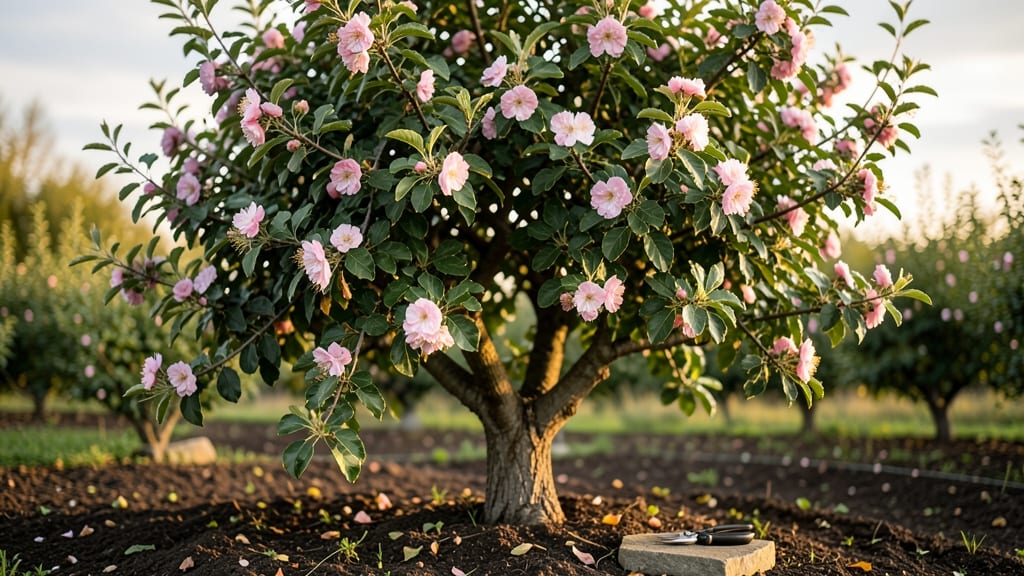
Apple trees blooming in Zone 6 🍎 is the moment every gardener waits for—but one wrong move can turn that dream into a disaster.
Watching your apple tree burst into vibrant bloom is a gardener’s dream—but if you prune at the wrong time, you could sacrifice next year’s harvest. Timing is everything when it comes to shaping your tree for maximum fruit production.
Most gardeners don’t realize that pruning too early can strip away next year’s flower buds, while waiting too long risks stunted growth. The secret lies in understanding your tree’s natural cycle and working with it, not against it.
In this guide, I’ll show you exactly when to prune for heavier blooms, how to spot the signs of over-pruning, and the simple steps to protect your tree from frost damage during its most vulnerable phase.
The science of apple tree blooming: how pruning affects fruit set
Apple trees transform from bare branches to stunning pink and white blossoms each spring—a sight that promises a future harvest. But here’s the catch: pruning at the wrong time can disrupt this natural cycle, leading to fewer blooms and smaller fruit sets the following year.
The key lies in understanding how dormancy stages and hormonal signals interact with pruning cuts to influence next season’s growth.
When you prune, you’re not just shaping your tree—you’re sending biological signals that determine where energy will be allocated. Apple trees store nutrients in their roots and branches during dormancy. If you prune too early, you remove flower buds before they’ve fully formed, reducing next year’s blooms.
Prune too late, and you risk encouraging late-season growth that won’t harden off before winter, weakening the tree.
Timing your cuts to align with the tree’s natural dormancy cycle maximizes fruit set. The ideal window is late winter or early spring, just as buds begin to swell but before they burst open.
This ensures you’re removing weak or crossing branches without interfering with the tree’s bloom initiation process.
Why does this matter? Apple trees produce flowers on spurs (short shoots) and current-season wood. Pruning too aggressively in late winter can remove these spurs, while summer pruning can stimulate new growth that won’t have time to mature before winter. The goal is to balance structure and bloom potential.
Let’s break down the science behind bloom timing and pruning so you can align your cuts with your tree’s natural rhythm for a heavier fruit set next season.
| Dormancy Stage | Pruning Window | Effect on Blooms | Key Action |
|---|---|---|---|
| Deep Dormancy (Winter) | Late January - Early February | Minimal impact; tree conserves energy | Avoid pruning; wait for bud swell |
| Bud Swell (Early Spring) | Late February - March | Optimal for structural pruning; preserves flower buds | Remove deadwood and crossing branches |
| Bloom Stage (Spring) | April - May | Pruning reduces fruit set; avoid heavy cuts | Light thinning of water sprouts only |
| Post-Harvest (Summer) | June - July | Encourages new growth for next year’s spurs | Thin overcrowded branches for airflow |
| Fall (Late Summer) | September - October | Prepares tree for dormancy; minimal pruning | Remove diseased branches only |
The bud swell stage (late winter to early spring) is your sweet spot for pruning. During this time, the tree’s hormonal balance shifts from dormancy to growth. Pruning then removes weak or obstructive branches while leaving flower buds intact.
Think of it as giving your tree a clean slate to focus energy on productive growth.
If you prune during active bloom (spring), you risk removing potential fruit clusters before they’ve set. The tree’s energy is already directed toward flower development, and sudden cuts can disrupt this process, leading to fewer apples next year.
Even light pruning during bloom can reduce fruit set by up to 30%, according to horticultural studies.
Summer pruning, on the other hand, serves a different purpose. After the initial bloom and fruit set, you can thin out overcrowded branches to improve air circulation and reduce disease risk.
This encourages the tree to produce new spurs for next year’s blooms. Just avoid heavy pruning—focus on selective thinning to maintain the tree’s structure.
Fall pruning is often overlooked, but it’s critical for winter hardiness. Removing diseased or damaged wood in late summer or early fall gives the tree time to seal wounds before winter.
Avoid heavy cuts, as new growth won’t have time to harden off before cold weather arrives, leaving your tree vulnerable to frost damage.
Pro tip: Use a sharp pruning saw or bypass pruners to make clean cuts. Ragged edges slow the tree’s healing process and invite pests and diseases. Always sterilize your tools with rubbing alcohol between cuts to prevent the spread of fire blight or other fungal infections.
By aligning your pruning with the tree
Step-by-step pruning schedule for heavy blooms next season
Pruning your apple tree at the right time ensures heavy blooms and a bountiful harvest next season. The key is understanding when your tree is dormant and how to encourage new growth without stressing it.
Start by identifying dormant buds—these tiny swellings on branches signal when it’s safe to prune without disrupting next year’s flower buds.
Timing matters most: prune too early, and you risk late-season frost damage to blossoms; prune too late, and you stunt the tree’s ability to set fruit. Follow this schedule to align your pruning with your tree’s natural cycle, from late winter to post-harvest cleanup.
Your Apple Tree Pruning Timeline
- Late Winter (February): Prune dormant branches before buds swell. Remove deadwood, crossing branches, and water sprouts to improve airflow. Aim for 30% open canopy to maximize sunlight.
- Early Spring (March-April): Avoid pruning once flower buds appear. Focus on summer pruning prep by marking branches for thinning later in the season.
- Summer (June-July): Thin out excess fruit clusters to prevent branch overload. Remove suckers and shoots growing from the trunk or graft union. Aim for 6-8 inches between fruit clusters.
- Post-Harvest (October): Clean up fallen fruit and prune diseased branches. Remove any weak growth or branches rubbing together to prevent future damage.
- Winter (December-January): Light pruning to remove ice damage or broken branches. Avoid heavy cuts—save major shaping for late winter dormancy.
🌱 Pro Tip: Sterilize pruners with rubbing alcohol between cuts to prevent bacterial spread.
Start with late-winter pruning to set the stage for next year’s blooms. Focus on structural integrity by removing branches that cross or grow inward. This creates an open canopy, allowing sunlight and air to reach the center of the tree—critical for flower bud formation.
During summer thinning, prioritize removing overcrowded fruit clusters. Overloaded branches can break under fruit weight or produce small, misshapen apples. Thin clusters to 6-8 inches apart to ensure each apple has room to grow.
After harvest, inspect your tree for diseased branches or winter damage. Prune out any deadwood or branches with cankers (sunken, discolored areas) to prevent fungal spread next season. Clean up fallen fruit and debris to reduce pests.
Finally, avoid pruning during active growth periods, like late spring or early summer. These cuts can stress the tree and reduce its ability to set flower buds for next year. Stick to the schedule, and your apple tree will reward you with vibrant blooms and a heavy harvest.