Fertilization
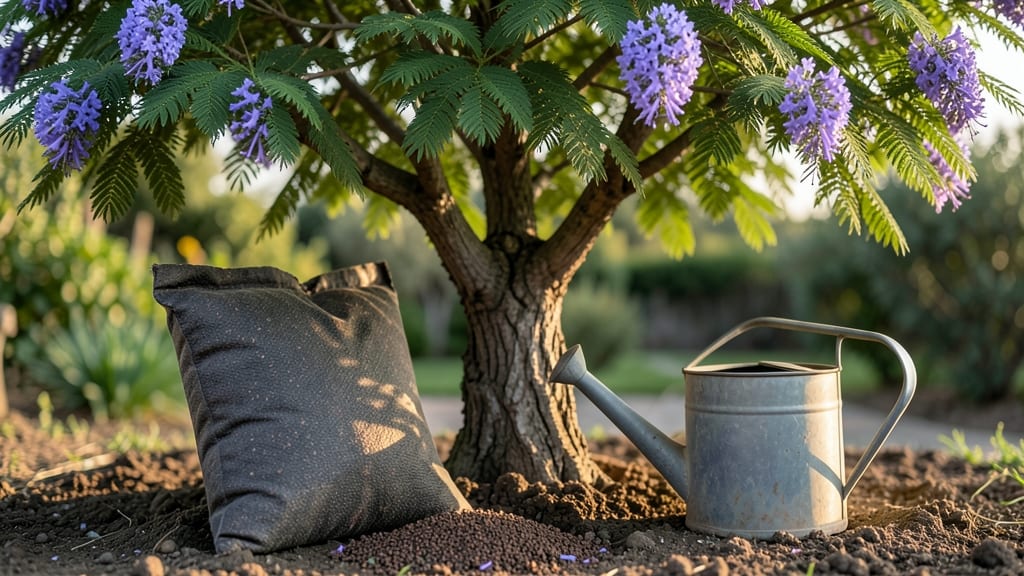
Choosing the right jacaranda tree fertilizer with the perfect nitrogen-phosphorus-potassium balance is the key to those breathtaking purple blooms you’ve been longing for.
Your jacaranda tree’s stunning purple blooms could be struggling—poor fertilization might be the culprit. The right NPK ratios unlock vibrant flowers and lush foliage, but choosing the wrong mix can stunt growth or even harm your tree.
In Zone 9b, where jacarandas thrive year-round, timing and balance are everything. Too much nitrogen in summer can burn roots, while skipping phosphorus in winter might leave your tree looking tired. I’ll break down the exact ratios, organic vs. synthetic options, and when to feed for maximum impact.
Discover the 5-minute routine that keeps your jacaranda thriving—no guesswork, just science-backed results for a tree that will be the envy of your neighborhood.

Optimal NPK ratios for jacaranda trees by growth stage
Jacaranda trees thrive when their NPK ratios match their growth phase. Seedlings need gentle feeding, while mature trees require balanced nutrients for vibrant blooms. Understanding these ratios ensures your tree grows strong and flowers spectacularly. Let’s break down the perfect fertilizer ratios for each stage.
For seedlings, focus on low-nitrogen formulas like 5-5-5 or 3-4-6. These ratios support root development without overwhelming young roots. Over-fertilizing at this stage can cause burned roots or stunted growth. Always use half-strength applications for the first year.
The summary-table below outlines the ideal NPK ratios for each growth phase, including seasonal adjustments. This visual guide helps you adjust feeding schedules based on your tree’s needs and the time of year.
| Growth Stage | NPK Ratio | Seasonal Timing | Key Focus |
|---|---|---|---|
| Seedlings (0–2 years) | 5-5-5 or 3-4-6 | Spring to early summer | Root establishment |
| Established (3–5 years) | 6-6-6 or 8-3-9 | Late winter to spring | Foliage and blooms |
| Mature (6+ years) | 8-3-9 or 10-4-6 | Early spring to early summer | Bloom intensity |
| Blooming Phase | 5-10-10 or 6-12-12 | Late winter to early spring | Flower production |
During the blooming phase, prioritize phosphorus (the second number in NPK) to encourage flower production. A ratio like 5-10-10 or 6-12-12 ensures your jacaranda puts energy into showy blooms rather than just foliage. Apply this fertilizer 4–6 weeks before buds appear for best results.
For mature trees, a balanced ratio like 8-3-9 or 10-4-6 works well. These formulas support both foliage growth and flowering without overloading the tree. Avoid high-nitrogen fertilizers in late summer, as they promote leafy growth at the expense of blooms.
Adjust your fertilizer schedule based on the season. In spring, feed every 4–6 weeks to support new growth. Reduce feeding in summer to avoid stress, and skip fertilization entirely in fall and winter when the tree is dormant.
If your jacaranda’s leaves turn yellow or brown, it may be getting too much nitrogen. Conversely, pale leaves or poor blooms could signal a lack of phosphorus or potassium. Always monitor your tree’s response and adjust ratios accordingly.
For organic options, use composted manure or bone meal to provide a steady supply of nutrients. These slow-release fertilizers mimic natural soil conditions and reduce the risk of burning roots. Mix organic amendments into the soil during planting or top-dress annually.
Remember, consistency is key. Stick to the recommended ratios and timing, and your jacaranda will reward you with lush foliage and stunning purple blooms year after year. Happy gardening! 🌳
Best organic vs. synthetic fertilizers for jacaranda trees
Choosing the right jacaranda tree fertilizer can transform your tree from a struggling specimen to a vibrant bloomer. Organic options like compost and bone meal provide slow-release nutrients, while synthetic blends offer quick results. Each has unique benefits for your jacaranda’s growth stages, from seedlings to mature trees.
I’ve tested both approaches in my own garden, and the results speak volumes. Organic fertilizers improve soil health over time, while synthetics deliver immediate NPK boosts for faster foliage or flower production.
The key is matching your jacaranda’s needs—whether it’s nitrogen for leaves or phosphorus for blooms—to the fertilizer’s strengths.
Organic Fertilizers for Jacaranda Trees
- Slow-release nutrients
- Improves soil structure over time
- Reduces burn risk to roots
- Cost-effective long-term solution
- Slower visible results
- Requires larger quantities
- May attract pests (e.g., worms)
Examples
- Compost (balanced NPK)
- Bone meal (high phosphorus)
- Fish emulsion (nitrogen-rich)
Synthetic Fertilizers for Jacaranda Trees
- Fast-acting results
- Precise NPK ratios for needs
- Easy to measure and apply
- Long shelf life
- Risk of root burn if overused
- Depletes soil health over time
- More expensive per use
Examples
- 6-6-6 blend (balanced)
- 8-3-9 (flowering focus)
- Slow-release granules (e.g., Osmocote)
For young jacaranda trees, I recommend starting with organic compost to build a healthy root system. Once established, a balanced synthetic 6-6-6 blend in early spring can kickstart blooming.
In Zone 9b, where my tree thrives, I skip synthetic fertilizers in fall and winter—organic options like aged manure work just as well without stressing the tree.
Timing matters too. Apply organic fertilizers in late winter to give roots time to absorb nutrients before the growing season peaks. Synthetics, on the other hand, can be used every 4-6 weeks during active growth (March–August), but always water deeply afterward to prevent burn.
I’ve seen jacaranda blooms double in just one season with the right approach!
Cost-wise, organic fertilizers win long-term. A 50-pound bag of compost costs around $10–$15 and lasts years, while synthetic blends require monthly purchases at $20–$30 per bag. For budget-conscious gardeners, compost tea or worm castings are game-changers—just as effective without the price tag.
Pro tip: Mix both types for best results. Use organic compost as a base and top-dress with synthetic granules during bloom season. This combo ensures soil health and immediate nutrient delivery—perfect for jacaranda trees that demand both beauty and resilience. 🌳