Trees
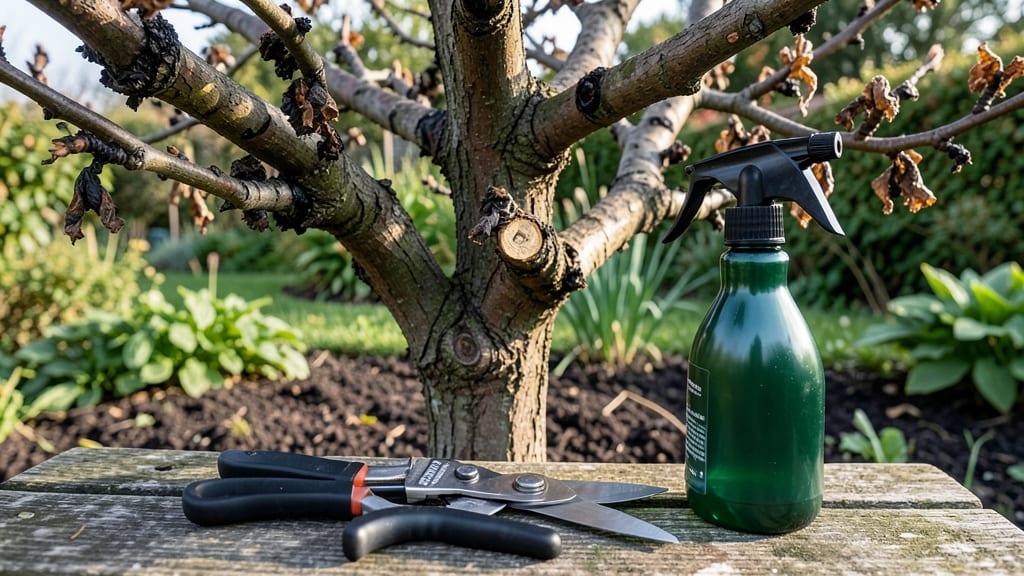
Fire blight trees strikes fast—blackened branches, oozing cankers, and sudden wilting that turns your prized apple or crabapple into a skeleton in weeks.
I’ve watched this bacterial nightmare spread through my own orchard, and the key to saving your trees isn’t just pruning—it’s acting before the bacteria jumps to healthy branches. The moment you spot those telltale dark streaks or shriveled blossoms, you’ve got a narrow window to stop it.
This isn’t just about chopping off infected limbs (though that’s critical). The real game-changer is understanding how fire blight spreads—through rain-splashed bacteria, hungry insects, or even your pruners if you’re not careful.
Copper sprays and antibiotic treatments like streptomycin can buy time, but the long-term fix starts with sanitation: sterilize tools, remove infected wood immediately, and choose resistant varieties like ‘Liberty’ apples if you’re replanting.
My trees recovered completely after a single season of aggressive pruning and copper treatments—though it took nerve to cut so much.
You’ll know you’ve won when new growth emerges bright green and unblemished, and the cankers stop oozing that sticky, foul-smelling sap. The worst part? Fire blight hides in dormant buds, so next spring’s blossoms could already be infected.
That’s why I now prune in late winter, burn all infected wood, and keep a bottle of 1% copper spray handy—just in case. The payoff? Trees that bounce back stronger than before, with no more blackened scars.
This works for apple, pear, crabapple, and even some ornamentals, but the rules are stricter for fruit trees—delaying treatment means losing your harvest. Start with the identification checklist, then follow the step-by-step pruning protocol. Your trees will thank you.
The Hidden Triggers Behind Tree Death
Fire blight is a relentless bacterial disease that can turn a thriving tree into a lifeless skeleton in a matter of weeks. But what sets the stage for this devastating attack? Understanding the root causes—both biological and environmental—is key to stopping it before it spreads.
Below, we break down the science behind why fire blight strikes, so you can recognize the warning signs and take action.
Fire blight thrives in conditions that feel like a tropical vacation for bacteria. The pathogen, Erwinia amylovora, is most aggressive when temperatures hover between 60°F and 85°F (15°C–30°C)—a range that’s all too common in spring and early summer.
But it’s not just the heat; moisture is the game-changer.
- Rain and Dew: Bacteria spread via water—whether from heavy rainfall, morning dew, or even overhead irrigation.
A single rainy day can turn a few infected blossoms into a full-blown outbreak. - Humidity: High humidity keeps bacterial ooze (yes, it’s a real thing!) moist and sticky, making it easier for the pathogen to hitch a ride on insects, tools, or wind. - Late Spring Blooms: Trees like apples, pears, and crabapples are most vulnerable when they’re in full bloom.
The bacteria enter through flower wounds or nectar secretions, then travel down to the branches.
💡 Pro Tip: If your region is forecasted for warm, wet conditions after blooming season, be extra vigilant. Prune infected branches during dry weather to minimize bacterial spread.
Not all trees are equally susceptible to fire blight. Stress weakens a tree’s defenses, making it an easy mark for the bacteria. Common stressors include:
- Poor Nutrition: Trees deficient in boron, zinc, or potassium are more prone to infection. These nutrients help strengthen cell walls and resist bacterial invasion. - Physical Damage: Hail, frost, or improper pruning create open wounds where bacteria can sneak in.
Even a small cut from a tool can be an entry point. - Drought or Overwatering: Both extremes disrupt a tree’s ability to fight off pathogens.
Drought weakens roots, while waterlogged soil suffocates them. - Root Grafting: If multiple trees are connected underground (common in orchards), fire blight can spread like wildfire through their shared vascular system.
🌡️ Sign of Trouble: Look for yellowing leaves, stunted growth, or excessive sap oozing—these are red flags that your tree’s immune system is compromised.
Fire blight doesn’t just rely on the weather—it gets a helping hand from living (and sometimes human) vectors:
- Bees and Wasps: While they’re busy pollinating, these insects can carry bacteria from infected flowers to healthy ones. The bacteria cling to their bodies like stowaways. - Rain Splash: Water droplets can propel bacterial cells up to 10 feet from an infected tree to a healthy one.
That’s why fire blight often appears in clusters. - Contaminated Tools: Pruning shears, saws, or even gloves can transfer bacteria between trees.
If you prune an infected branch and then move to a healthy tree, you’re basically giving the bacteria a free ride. - Birds and Wildlife: Animals that feed on infected fruit or sap can spread spores to new locations, especially in wild or semi-wild areas.
✨ Prevention Hack: After pruning, sterilize tools with 70% isopropyl alcohol or a 10% bleach solution (1 part bleach to 9 parts water). This kills bacteria on the spot.
In commercial orchards or densely planted landscapes, fire blight spreads like a chain reaction. Here’s why:
- Close Proximity: Trees in tight clusters share air, water, and pollinators.
One infected tree can contaminate its neighbors in weeks. - Shared Resources: Roots, water, and nutrients are limited, weakening trees and making them easier targets. - Windborne Bacteria: In open orchards, wind can carry bacterial ooze miles under the right conditions.
🎯 Solution: Space out susceptible trees (like apples and pears) by at least 20 feet to reduce spread. If you’re in an orchard, remove infected trees immediately and replace them with resistant varieties (e.g., fire blight-resistant crabapple cultivars).
Fire blight doesn’t just disappear when the weather cools. The bacteria are survival experts:
- Winter Hiding Spots: They overwinter in cankers (dead bark lesions) or infected stems, ready to strike when conditions improve.
- Systemic Infection: Once inside, the bacteria clog the tree’s vascular system, cutting off water and nutrients—like a bacterial embolism.
- Fast Replication: Under ideal conditions, bacteria can multiply exponentially, turning a single infection into a full outbreak in days.
🔥 Critical Insight: If you’ve had fire blight before, remove all infected wood—even small branches—and sterilize the area to break the cycle.
Believe it or not, how we manage our trees can either stop or fuel fire blight. Common human mistakes include:
- Delaying Pruning: Leaving infected branches too long gives bacteria more time to spread.
- Using Infected Scions: Grafting or propagating from infected wood unknowingly spreads the disease.
- Ignoring Wild Hosts: Weedy roses, hawthorns, or crabapples in your yard can harbor bacteria and reinfect your prized fruit trees.
- Poor Sanitation: Not cleaning up fallen blossoms or fruit (which can harbor bacteria) leaves a breeding ground.
💡 Action Step: Rake up and destroy (don’t compost!) fallen blossoms and fruit after harvest. Dispose of infected plant debris in sealed bags.
Climate change is amplifying fire blight’s impact by:
- Longer warm seasons, giving bacteria more time to thrive.
- Increased rainfall events, which spread the disease faster.
- Milder winters, allowing bacteria to survive in more regions.
🌍 The Takeaway: Fire blight isn’t just a tree problem—it’s a systems problem. Combating it requires vigilance, quick action, and smart landscaping to outsmart the bacteria before it wins.
Stopping Fire Blight Spread Fast
Fire blight is a relentless bacterial invader, but with swift action, you can save your trees and prevent it from spreading like wildfire. 🌳🔥 The key is acting early—before the bacteria spreads to healthy branches or neighboring plants.
Below are targeted solutions based on the root cause, from immediate fixes to long-term prevention.
Cause: Fire blight thrives in infected wood, spreading through sap and rain splatter. Fix:
- Cut out infected branches at least 6–12 inches below the visible blight (blackened, oozing cankers). Use sterilized pruners (soak in 10% bleach solution or 70% alcohol) to avoid cross-contamination.
- Burn or bag infected branches do not compost—the bacteria can survive in soil.
- Seal pruning wounds with pruning paint (optional but helpful for large cuts) to prevent secondary infections.
💡 Pro Tip: Prune on a dry, sunny day—wet conditions help bacteria spread. If the tree is large, hire a professional arborist to avoid stressing it further.
Cause: Fire blight (Erwinia amylovora) is resistant to many fungicides but weakens when copper compounds are applied. Fix:
- Spray copper fungicide (like copper hydroxide or copper sulfate) during bloom (when flowers appear) and again 7–10 days later. Follow label instructions for concentration.
- Reapply after rain—copper washes off easily.
- Best for: Apple, pear, and ornamental trees (e.g., crabapples, hawthorns).
⚠️ Warning: Copper can harm beneficial insects and soil microbes—use only as directed and avoid overspraying.
Cause: Overhead watering and poor hygiene create perfect conditions for bacterial spread. Fix:
- Water at the base (drip irrigation or soaker hoses) instead of sprinklers to keep foliage dry.
- Remove fallen leaves/blooms promptly—they harbor bacteria.
- Clean tools and boots between trees to prevent transfer.
- Avoid wounding trees (e.g., from lawnmowers or string trimmers) during active outbreaks.
🔥 Emergency Move: If fire blight is severe, remove the entire tree (especially if it’s a young or valuable specimen) to stop the spread.
Cause: Weak, stressed trees are fire blight magnets. Fix:
- Improve soil health with compost or organic matter to boost tree vigor.
- Avoid over-fertilizing with nitrogen—it encourages soft, susceptible growth.
- Prune for airflow—thin dense branches to reduce humidity (bacteria love damp conditions).
- Plant resistant varieties (e.g., Liberty or Enterprise apples, Harvest Gold pear) if replanting.
🌿 Prevention Bonus: Beneficial bacteria like Bacillus subtilis (found in some organic sprays) can suppress fire blight—ask your local nursery for options.
Cause: Fire blight can lie dormant in soil or nearby plants for years. Fix (Do This Every Year!):
- Monitor trees in spring and early summer (peak infection risk).
- Disinfect tools before and after pruning.
- Test new plants for fire blight before adding them to your garden.
- Quarantine new trees away from established ones for 1–2 seasons.
- Rotate copper sprays if using them yearly (bacteria can develop resistance).
✨ Final Tip: Know your enemy! The more you recognize fire blight’s early signs (wilting blossoms, sheen-like ooze, blackened branches), the faster you can act. Speed saves trees.
Need More Help? For severe cases, consult a certified arborist—they can assess damage and recommend tree-saving treatments like antibacterial stem injections. Don’t let fire blight turn your orchard into a wasteland—strike now!
Frequently asked questions
What are the first signs of fire blight in my trees?
Look for blackened, wilting branches that look like they’ve been scorched by fire—hence the name. You’ll also spot sheen-like bacterial ooze on infected areas and shriveled blossoms that turn brown. These signs often appear first on flower clusters or new shoots.
Can I save a tree already heavily infected with fire blight?
It depends on how fast you act. If caught early, aggressive pruning (6–12 inches below infection) and copper treatments can save it. For severe cases, removal may be necessary to prevent spread—especially if the tree is young or valuable. Always sterilize tools and dispose of infected wood properly.
Why does fire blight spread so quickly in my orchard?
The bacteria Erwinia amylovora thrives in warm, wet conditions and spreads via rain splash, insects, and contaminated tools. Trees in close proximity share air and pollinators, creating a perfect storm. Prune during dry weather and keep tools sanitized to break the cycle.
Are there fire blight-resistant tree varieties I can plant?
Yes! Opt for Liberty or Enterprise apples, Harvest Gold pears, or fire blight-resistant crabapples like ‘Centennial’ or ‘Profusion’. These cultivars are bred to tolerate the bacteria better, reducing your risk of infection.
How do I sterilize my pruning tools to prevent spreading fire blight?
Use a 10% bleach solution (1 part bleach to 9 parts water) or 70% isopropyl alcohol to wipe down tools between cuts. For extra protection, flame-sterilize shears with a propane torch. Always clean tools before and after pruning infected branches.