Diseases
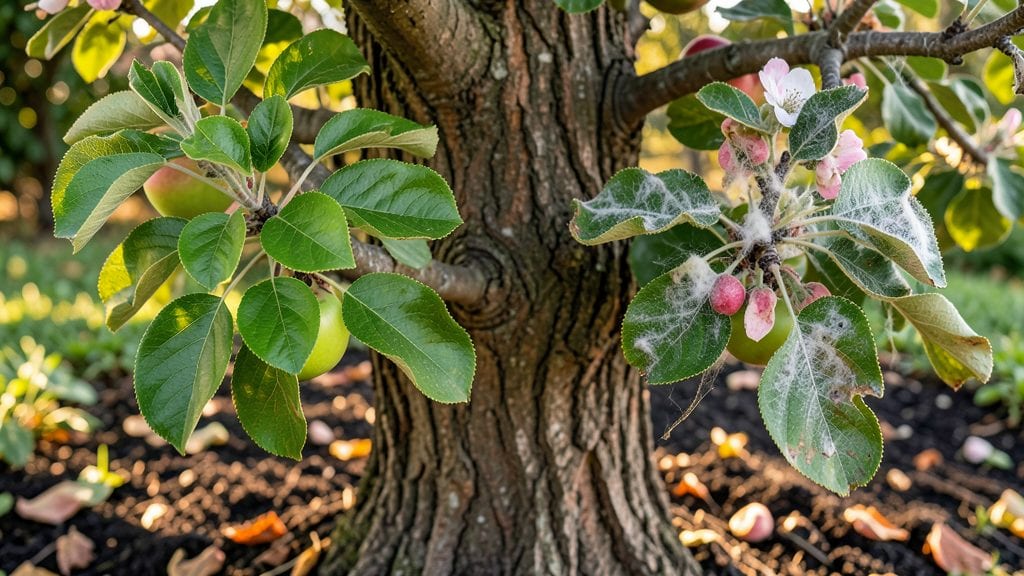
Fungus in apple trees can turn lush green leaves into a sad, spotted mess faster than you think. 🌿 I’ve seen healthy orchards go from vibrant to struggling in just a few weeks, and the key to saving your trees is catching it early—and knowing exactly what you’re dealing with.
The most common culprits are apple scab (those ugly black spots), powdery mildew (white, dusty patches), and black rot (greasy-looking lesions).
Each one needs a slightly different approach, but the good news is that once you recognize the symptoms, you can act fast with organic sprays, proper pruning, and a few smart preventive tricks.
By the time you finish this, you’ll know how to identify the problem, pick the right treatment, and keep your trees healthy all season long. The best part? Many of these fixes take less than an hour and can save your harvest before the fungus even gets a foothold.
Whether you’re dealing with a single tree or a whole orchard, these steps work for any climate. Let’s get your apple trees back to their best—and keep them that way.
Root Causes Of Tree Fungus
Fungal infections in apple trees aren’t random—they thrive when specific conditions align. Understanding these triggers helps you take action before outbreaks spiral. Let’s break down the key factors that turn your orchard into a fungal buffet.
Fungi love water—it’s their highway for spreading.
Apple trees are especially vulnerable when: - Rain or irrigation oversaturates soil – Prolonged dampness (especially above 70°F) creates the perfect breeding ground for pathogens like Venturia inaequalis (the apple scab fungus). - Poor drainage traps water – Compacted or clay-heavy soil prevents roots from drying out, leaving them stressed and susceptible to fungal invasion. - Foliage stays wet too long – Dew, rain, or overhead watering keeps leaves damp for hours, allowing spores to germinate and infect tissue.
Actionable fix: Improve drainage with organic matter (compost or wood chips) and water at the base—not over the canopy—to keep leaves dry.
A healthy tree fights off fungi, but stress opens the door.
Common stressors include: - Nutrient deficiencies – Lack of nitrogen, phosphorus, or micronutrients (like zinc or boron) weakens cell walls, making them easier targets. - Physical damage – Pruning wounds, hail, or pest bites create entry points for spores. - Environmental shock – Sudden temperature swings (e.g., late frost after bud break) or drought stress trees, lowering their resistance.
Pro tip: 🌡️ Test your soil pH (ideal: 6.0–6.5 for most apple varieties) and fertilize with balanced, slow-release nutrients in early spring.
Fungi don’t just appear—they hitchhike on wind, water, and even tools.
Sources include: - Infected leaves or fruit from last season – Spores overwinter in fallen debris, ready to reinfect when conditions are right. - Wild or infected nearby trees – Apple scab, for example, can jump from crabapple trees to your orchard. - Contaminated pruners or clothing – Moving spores from one part of the tree (or garden) to another.
Prevention tip: ✨ Sterilize pruners with 70% rubbing alcohol between cuts, and remove all fallen leaves/debris in autumn.
Fungi have a "sweet spot" for growth:
- Temperatures between 50–75°F – Many apple tree fungi (like powdery mildew) thrive in this range, especially with high humidity.
- Slow-drying conditions – If nights stay cool and damp, spores linger on leaves longer, increasing infection rates.
Monitoring hack: Use a spore trap or check local weather forecasts for humidity spikes—apply fungicides preventatively when forecasts predict 9+ hours of leaf wetness.
Some insects don’t just damage trees—they invite fungi. Watch for:
- Apple maggots or codling moths – Their feeding wounds create perfect fungal entry points.
- Scale insects or aphids – Their sticky honeydew attracts sooty mold, which smothers leaves and stresses the tree.
Solution: 🎯 Target pests with neem oil or horticultural oil in early spring to break the fungus-pest cycle.
Tightly packed branches or dense foliage trap moisture and spores, creating a fungal hotspot. This is especially risky in:
- Overgrown or unpruned trees – Crowded canopies slow airflow and dryness.
- Shaded orchards – Low light reduces photosynthesis, weakening the tree’s natural defenses.
Fix it: 🔪 Prune to open the canopy (aim for 6–8 feet between scaffold branches) and thin fruit clusters to improve airflow.
How to solve it
Fungal infections in apple trees can feel overwhelming, but with the right approach, you can restore your tree’s health and prevent future outbreaks. Below are targeted solutions tailored to common fungal issues—from scab and powdery mildew to apple rot—along with proactive prevention tips to keep your orchard thriving.
Apple scab (Venturia inaequalis) thrives in damp conditions, leaving dark, crusty spots on leaves and fruit. To tackle it:
- 🔥 Prune & Clean: Remove infected leaves, fruit, and branches in fall and spring. Burn or compost them far from the tree to prevent spore spread. Pro tip: Sterilize pruning tools with 70% isopropyl alcohol to avoid cross-contamination. ⚗️
- 🍳 Apply Fungicides: Use copper-based sprays (like Bordeaux mixture) or organic options such as neem oil or sulfur. Timing is key: Spray before bud break in early spring, then every 10–14 days during wet periods. 🌧️
- 🌡️ Improve Airflow: Thin out dense branches to reduce humidity. Space trees 12–15 feet apart and avoid overhead irrigation. ✨
This white, powdery fungus (Podosphaera leucotricha) weakens leaves but is easier to manage than scab:
- 👨🍳 Spray Homemade Remedy: Mix 1 tsp baking soda + 1 tbsp horticultural oil + 1 tsp dish soap per gallon of water. Spray every 7–10 days during warm, dry weather. 💡 Why it works: Baking soda raises leaf pH, making it inhospitable for fungi.
- 🔪 Remove Severely Infected Parts: Trim and dispose of leaves with thick mildew layers. Avoid wetting foliage when watering—use drip irrigation instead. 💧
- 🌿 Resistant Varieties: Plant mildew-resistant apple cultivars like Liberty or Enterprise for long-term defense. 🍏
Fungal rots (Alternaria, Glomerella) cause fruit to spoil prematurely. Act fast:
- 🍴 Harvest Early: Pick fruit as soon as it ripens to prevent fungal entry points. Avoid leaving fallen apples on the ground. 🍎
- ⏰ Post-Harvest Spray: Apply fixed copper fungicide after harvest to sterilize the tree. Repeat in late fall to kill overwintering spores. ❄️
- 🌳 Adjust Planting: Space trees to reduce humidity in the canopy. Mulch with straw or wood chips (not grass clippings) to deter soil-borne fungi. 🌾
An ounce of prevention saves pounds of frustration. Follow these year-round strategies:
Season
Action
Why It Matters
Fall
✅ Rake up all leaf litter and mow grass clippings away from the tree.
Removes fungal spores that survive winter.
Winter
✅ Apply dormant oil to smother overwintering pests and fungi.
Breaks the life cycle before spring growth.
Spring
✅ Thin fruit to improve airflow and reduce moisture.
Prevents crowded branches from trapping humidity.
Summer
✅ Water deeply but early (before 10 AM) to avoid evening dampness.
Fungi spread faster in wet leaves at night. 🌙
🎯 Pro Tip: Test your soil’s pH—aim for 6.0–6.5. Acidic soil (below 5.5) encourages fungal growth. Use lime to adjust if needed. 📊
With consistent care, your apple tree can bounce back from fungus—and even thrive with fewer future battles. Start with the fixes above, then lock in prevention to enjoy healthy fruit for years! 🍏💪
Frequently asked questions about apple tree fungus
How do I tell if my apple tree has fungus?
Look for black, crusty spots (apple scab), white powdery patches (mildew), or greasy-looking lesions on leaves/fruit (black rot). Check undersides of leaves first—fungi often start there. Compare symptoms to photos online for confirmation.
Can I save my tree if it's already heavily infected?
Yes, but act fast! Prune out infected branches immediately, apply copper fungicide, and improve airflow. For severe cases, repeat treatments every 10-14 days during wet weather. Healthy trees recover better with consistent care.
What's the best organic treatment for apple scab?
Try a baking soda spray (1 tsp baking soda + 1 tbsp oil + 1 tsp soap per gallon) or neem oil (2 tbsp per gallon). Spray every 7-10 days during rainy seasons. For extra protection, add potassium bicarbonate (1 tbsp per gallon).
Will fungicides harm bees or beneficial insects?
Most copper-based fungicides are bee-safe when applied before flowering. Avoid sulfur sprays during bloom (harms bees). For organic options, use potassium bicarbonate or baking soda mixes—they're bee-friendly and effective.
How do I prevent fungus from coming back next year?
Start with fall cleanup: Remove all leaves/debris and sterilize tools. In spring, apply dormant oil and thin fruit clusters. Space trees 12-15 feet apart for airflow, and water at the base early in the day to keep leaves dry.