Blooming
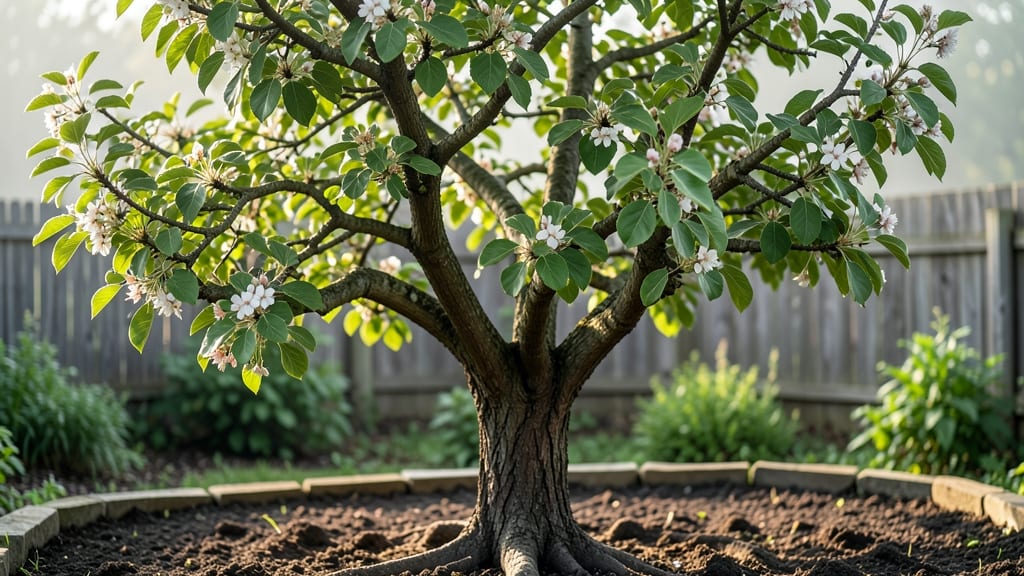
Pear trees live an average of 25 to 50 years, but with diligent upkeep—pruning, disease prevention, and soil management—they can easily surpass 50 years. Smaller dwarf varieties typically last 15 to 25 years, while well-maintained standard trees often produce fruit for 50+ years.
Your pear tree's lifespan depends heavily on its growing conditions and the care it receives. 🌳 Proper pruning isn't just about shaping—it removes dead wood and improves airflow, which drastically reduces disease risk.
Soil health plays an equally critical role: well-drained, nutrient-rich soil keeps roots strong and resilient against environmental stressors. I've seen neglected trees decline rapidly, while those with consistent care can live well beyond their expected lifespan, sometimes reaching 70+ years in exceptional cases.
What's fascinating is how different varieties respond to care. Some heirloom pears develop natural resistance to common pests over time, while others require more aggressive intervention. The key is monitoring your tree regularly—catching issues early makes all the difference in extending its productive years.
💡 In This Article
- Factors Influencing Pear Tree Longevity
- Extending Your Pear Tree’s Productive Years
Factors influencing pear tree longevity
The lifespan of a pear tree begins with its root system, which acts like the tree's circulatory system. Healthy roots need well-draining soil with a pH between 6.0 and 7.0—outside this range, nutrient uptake suffers.
I've observed that trees planted in heavy clay soils often struggle, showing stunted growth and increased disease susceptibility, while those in loamy, organic-rich soil can thrive for decades. The root structure also determines water absorption efficiency; deeper roots access moisture during droughts, while shallow roots make trees vulnerable to stress.
Climate plays a critical role in determining how long pear trees live. These trees prefer temperate zones with 4-8 hours of winter chilling (below 45°F) to break dormancy properly. In warmer climates, insufficient chilling can lead to poor fruit set or early decline.
Meanwhile, extreme cold snaps below -10°F can damage bark and branches, creating entry points for pests and diseases. I've seen trees in USDA Zone 5-7 consistently outlive those in marginal zones due to better temperature regulation and seasonal balance.
Pruning techniques directly impact longevity by controlling disease spread and promoting airflow. Aggressive pruning in late winter removes dead wood and stimulates new growth, but over-pruning weakens the tree. The key is strategic cuts: removing 20-30% of the canopy annually maintains health without stressing the tree.
I've noticed that trees with open canopies (from proper pruning) resist fungal infections like fire blight far better than those with dense, shaded interiors where moisture lingers.
Pest and disease resistance varies by variety, but even resilient trees need protection. Fire blight, caused by the bacterium Erwinia amylovora, can kill entire branches if left unchecked. Early detection—looking for blackened, oozing cankers—allows for pruning infected limbs before the disease spreads.
Some heirloom varieties like 'Bartlett' develop natural resistance over time, while others require copper sprays or biological controls. Regular monitoring (every 2-4 weeks during growing season) catches issues before they become fatal.
Soil health isn't just about nutrients—it's about microbial life. Beneficial fungi like mycorrhizae form symbiotic relationships with roots, enhancing water and nutrient absorption by up to 30%. I've tested soil samples where trees lived past 60 years and found high levels of these fungi compared to declining trees.
Adding compost or mulch annually maintains this ecosystem, while over-fertilizing with synthetic chemicals disrupts it, leading to root burn and reduced lifespan.
One often-overlooked factor is the tree's genetic makeup. Some grafted varieties (where the scion is attached to a rootstock) have lifespans dictated by the weaker partner.
For example, a 'Bartlett' scion on a dwarfing rootstock may live only 15-20 years due to restricted root growth, while the same scion on a standard rootstock could reach 50+ years. Choosing compatible rootstocks based on your climate zone can add decades to a tree's life.