Blooming
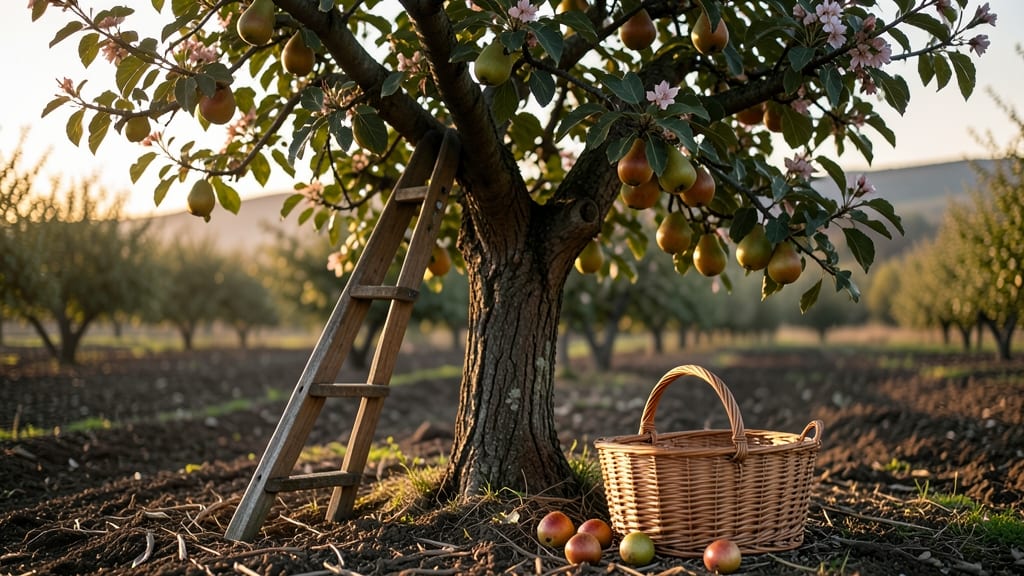
Knowing how long pear trees take to bear fruit helps plan your orchard strategy—most pear trees produce fruit within 3 to 5 years, with dwarf varieties often fruiting in 2 to 3 years. Early-bearing types like 'Bartlett' or 'Anjou' can surprise you sooner, while standard trees may need more patience. Consistent care with sunlight, water, and soil quality speeds up fruiting.
This timeline varies based on the tree's genetics and growing conditions. 🌱 For example, 'Moonglow' pears are known for fruiting in just 2 years under ideal care, while standard European pears might need 5 years or longer.
The key difference lies in rootstock—dwarf trees on semi-dwarf rootstocks (like 'Quince A') fruit faster than those on vigorous rootstocks. I always recommend testing soil pH before planting, as pears thrive in slightly acidic conditions (around 6.0-6.5).
Another critical factor is pollination—most pears need a second variety nearby for cross-pollination. 🐝 Some self-pollinating types like 'Seckel' can produce fruit alone, but yields improve with compatible partners. Proper winter pruning also plays a role, as open canopies allow sunlight to reach fruit-bearing wood more efficiently.
If you're impatient for harvests, focus on dwarf varieties and ensure they get 6-8 hours of sunlight daily.
💡 In This Article
- Factors Affecting Pear Tree Fruiting Timeline
- Fastest-Bearing Pear Tree Varieties for Home Gardens
Factors affecting pear tree fruiting timeline
The rootstock you choose determines how quickly a pear tree matures and bears fruit. Dwarf varieties grafted onto semi-dwarf rootstocks like Quince A or MM106 can produce fruit in just 2-3 years, while standard trees on vigorous rootstocks like Seeding or Ohio 2 may take 5-7 years.
This is because dwarf rootstocks restrict the tree's growth, redirecting energy toward fruit production instead of vertical expansion. The trade-off? Smaller trees with less structural wood, but earlier and more consistent harvests. 🌱
Climate zones play a critical role too—pear trees need chill hours (a minimum of 300-800 hours below 45°F) to break dormancy and flower. Varieties like 'Anjou' thrive in zones 5-9 with 500-700 chill hours, while 'Bartlett' prefers 400-600 chill hours.
In warmer regions (zones 8-10), trees may struggle to flower without sufficient winter chill, delaying fruiting. Container-grown pears face additional stress from root competition, often requiring 1-2 extra years to bear fruit compared to ground-planted trees.
Pruning techniques directly impact fruiting speed. Overly aggressive pruning can remove vital fruiting wood, while open-center pruning (keeping the center open for sunlight) encourages faster fruit development. Young trees benefit from formative pruning—removing competing branches and shaping the canopy—while mature trees need fruitwood maintenance to balance growth and production.
Poor pruning can delay fruiting by 1-2 years as the tree redirects energy toward regrowing lost branches. ✂️
Soil nutrients are the foundation—pear trees require well-draining soil with pH 6.0-6.5 and rich organic matter. A deficiency in boron or zinc can stunt flowering, while excessive nitrogen promotes leafy growth over fruit.
I’ve seen trees in nutrient-poor soil take 2-3 extra years to fruit compared to those in amended soil with compost or balanced fertilizer (10-10-10). Mulching with wood chips helps retain moisture and improves root development, further accelerating fruiting.
Seasonal care matters too—pear trees need 6-8 hours of sunlight daily for photosynthesis, and consistent watering (especially during bloom and fruit set) prevents stress. Drought or irregular watering can cause blossom drop, delaying harvests by 6 months or more.
In my experience, trees in container gardens require 20-30% more frequent watering than ground-planted trees, which can slow fruiting if not managed properly. 💧
Here’s a quick comparison to visualize the impact:
- Dwarf trees on semi-dwarf rootstock: 2-3 years to fruit (e.g., 'Moonglow')
- Standard trees on vigorous rootstock: 5-7 years to fruit (e.g., 'Bosc')
- Container-grown pears: 3-5 years (due to root restriction)
- Ground-planted pears in ideal conditions: 3-4 years
The fastest fruiting occurs when you combine dwarf rootstock, optimal soil, proper pruning, and consistent care. That’s why I always recommend starting with early-bearing varieties like 'Seckel' or 'Kieffer'—they’re designed to reward patience (and proper care) with fruit in record time. 🌟