Blooming
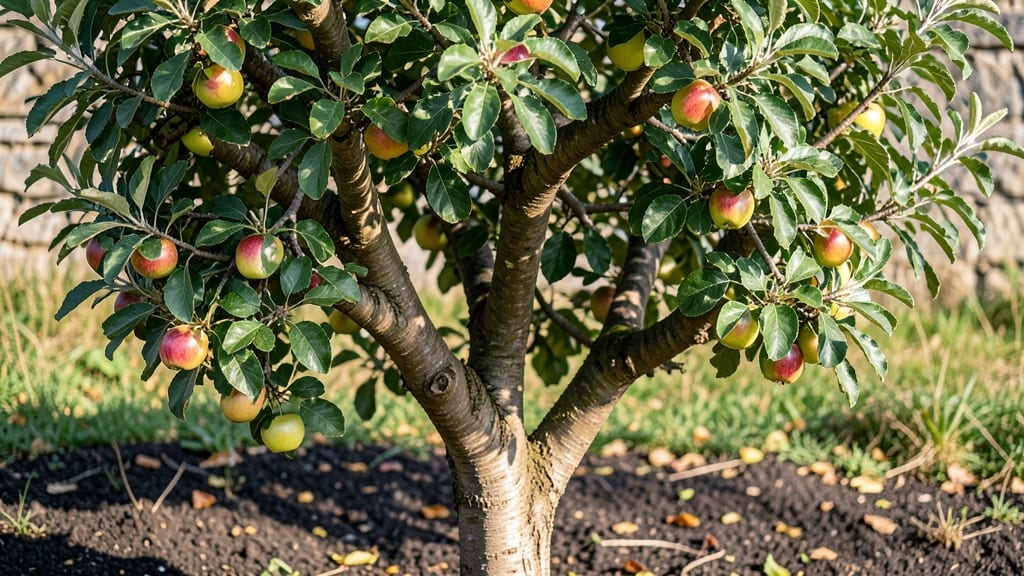
How long does it take apple trees to produce fruit? Standard varieties need 4 to 7 years, while dwarf apple trees typically bear fruit in 2 to 4 years, depending on care, climate, and rootstock type. Early-bearing cultivars may fruit sooner under ideal conditions.
Patience is key when growing apple trees, but the wait varies dramatically between types. 🌳 Standard apple trees take longer to mature because they invest energy in growing taller and stronger, while dwarf varieties focus on fruiting sooner.
I've seen some early-bearing cultivars like 'Anna' or 'GoldRush' produce fruit in just 2 years with proper care, though most gardeners should expect at least 3-4 years for reliable harvests.
The right rootstock and growing conditions can shave off years from the timeline—think of it like giving your tree a head start with premium soil and consistent watering.
What's interesting is how climate plays a role—warmer regions often see faster fruiting, while colder areas may extend the timeline. 💫 For example, a dwarf tree in Zone 7 might fruit in 3 years, while the same variety in Zone 5 could take 4-5 years.
Always check your local hardiness zone and choose varieties that thrive in your area to maximize your chances of early harvests.
💡 In This Article
- Factors Influencing Apple Tree Fruit Production Timeline
- Choosing Fast-Fruiting Apple Tree Varieties for Quick Harvests
Factors influencing apple tree fruit production timeline
The rootstock you choose determines how quickly your apple tree produces fruit. Standard trees grafted onto seedling rootstock take longer—often 5-7 years—because they prioritize vertical growth and structural strength.
In contrast, dwarf varieties grafted onto M.9 or B.9 rootstocks mature faster, bearing fruit in 2-4 years, since their energy focuses on fruit production rather than height. The rootstock also affects tree size: M.9 produces trees only 6-8 feet tall, while seedling rootstock can reach 20+ feet.
Pollination requirements dramatically impact fruiting timelines. Most apple varieties need cross-pollination from a different cultivar blooming at the same time—failure here delays fruit production by 1-2 years. For example, planting a Honeycrisp tree alongside a Fuji ensures successful pollination, while a single tree may take longer to fruit.
Soil quality also plays a role: trees in nutrient-rich, well-draining soil with a pH of 6.0-7.0 develop faster than those in poor soil. I've seen trees in Zone 6 with 60% organic matter produce fruit 1 year earlier than those in marginal soil.
Sunlight exposure creates another critical variable. Apple trees need 6-8 hours of direct sunlight daily to set fruit efficiently. Trees in partial shade may take 2-3 years longer to bear fruit because their energy goes toward leaf production rather than flowering.
Seasonal climate variations further complicate timelines: trees in warmer climates (Zones 8-9) often fruit 6-12 months earlier than those in colder regions (Zones 3-5) due to extended growing seasons.
For instance, a Gala tree in California might fruit in 3 years, while the same tree in Minnesota could take 5 years.
Watering practices also accelerate or delay fruiting. Consistent moisture—especially during blooming (spring) and fruit set (summer)—helps trees establish faster. Drought stress can push back fruiting by 1-2 years as the tree prioritizes survival over reproduction.
Pruning techniques matter too: aggressive pruning in early years can delay fruiting by 6-12 months as the tree recovers, while gentle shaping encourages earlier fruit production.
The interplay of these factors means a well-cared-for dwarf tree in ideal conditions might fruit in 2 years, while a neglected standard tree could take 7+ years.
Here's what most gardeners overlook: winter chilling requirements. Most apple varieties need 250-1,000 hours below 45°F annually to break dormancy and flower properly. In regions with insufficient chill hours (Zone 9+), trees may produce sparse fruit or none at all until they accumulate enough cold exposure.
This explains why some Zone 10 growers use low-chill cultivars like 'Anna' or 'Dorsett Golden', which fruit in 2-3 years despite warm winters.
Consider these key factors when planning your orchard:
- Rootstock: M.9 (dwarf) fruits in 2-4 years vs seedling (standard) at 5-7 years
- Pollination: Plant 2+ compatible varieties to ensure fruit set within 1-2 years
- Soil: Aim for 60% organic matter and pH 6.0-7.0 for optimal growth
- Sunlight: 6+ hours daily reduces fruiting delays by 2-3 years
- Climate: Warmer zones (Zone 8+) fruit 6-12 months earlier than colder zones
The science behind these timelines lies in the tree's reproductive strategy: standard trees prioritize structural growth, while dwarf varieties optimize for early fruiting. Understanding these biological and environmental factors lets you accelerate—or at least predict—the timeline for your first harvest. 🌱