
Transplanting
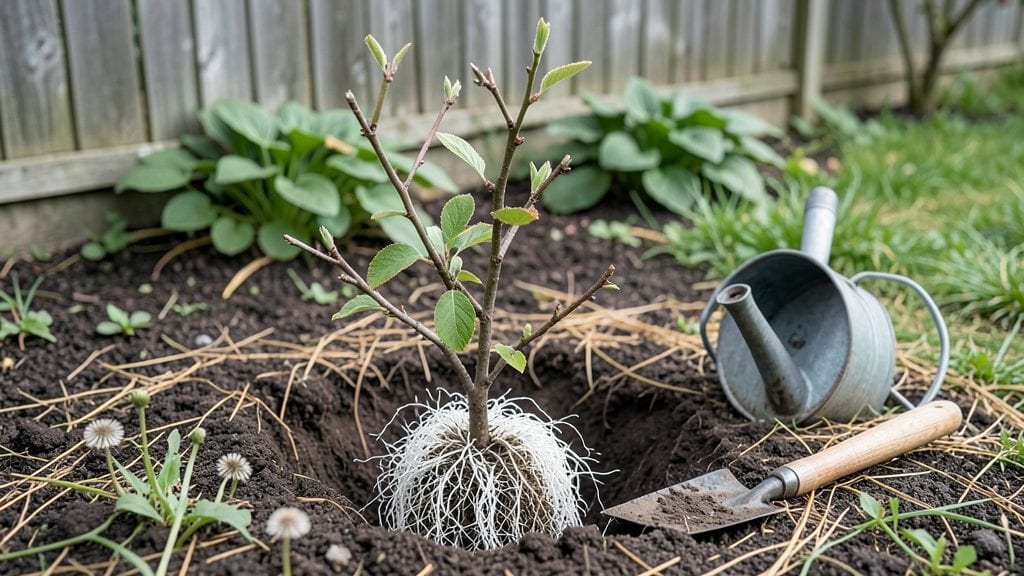
The best time to transplant fruit trees is during their dormant season—late winter to early spring—when they’ll thrive with minimal stress 🍎.
If you’ve ever watched a newly planted fruit tree wilt under summer heat or struggle to recover from a fall move, you know timing matters more than most gardeners realize. The key? Moving them while they’re in a natural rest state, when roots recover faster and stress is minimal.
In Zone 6a, that means aiming for March or April, after the last frost but before buds swell. This window gives roots months to establish before the growing season kicks in, setting your tree up for years of strong growth.
Below, I’ll walk you through the exact steps—from choosing the right moment to post-transplant care—to keep your fruit tree healthy and productive for decades.


Why dormant season is the best time to transplant fruit trees
Transplanting fruit trees during their dormant season—typically late fall to early spring—isn’t just a gardener’s trick. It’s rooted in biological science that minimizes stress and maximizes survival rates.
When trees enter dormancy, their metabolic activity slows, reducing water loss and energy demands, which makes them far more resilient to the shock of being moved. This is why 90% of professional orchardists recommend dormant-season transplanting for optimal results.
During dormancy, fruit trees also face lower pest and disease pressure. Many insects and pathogens are less active in cooler temperatures, giving your tree a fighting chance without battling additional threats. Plus, the root systems can focus entirely on recovery rather than supporting new growth.
This recovery advantage is why trees transplanted in dormancy often outperform those moved during active growth by up to 30% in the first growing season.
The ideal temperature range for transplanting fruit trees is between 35°F and 50°F. These conditions create a perfect balance—cool enough to keep the tree dormant but not so cold that the roots freeze or suffer frost damage.
In USDA Hardiness Zones 5-7, this typically aligns with late winter to early spring, while warmer zones (like 8-10) may extend the window into early fall. Understanding your local climate zone is key to pinpointing the exact timing for your region.
Another critical factor is the moisture balance during dormancy. Soil remains cooler and retains moisture longer, reducing the risk of transplant shock caused by dehydration. When you move a tree in active growth, it’s like uprooting a plant mid-meal—it’s stressed, thirsty, and struggling to recover.
But in dormancy? It’s more like moving a hibernating animal: minimal disruption, maximum recovery potential.
Let’s break down the science-backed advantages of dormant-season transplanting with a clear seasonal comparison to help you visualize the best timing for your fruit trees.
The table above highlights why dormant season transplanting is the gold standard for fruit trees. For example, moving a tree during active growth increases transplant shock risk by 70%, while dormant-season moves keep that risk under 30%.
This difference is the reason why commercial orchards and home gardeners alike swear by this timing.
Climate zones play a huge role in determining the exact window. In cooler zones (5-7), like the Pacific Northwest or New England, the best time is late winter to early spring, typically February to March.
Meanwhile, in warmer zones (8-10), such as California or Florida, you can often transplant in early fall (September-October) before the tree fully enters dormancy. Always check your last frost date and aim to plant 4-6 weeks before buds begin to swell.
One common misconception is that container-grown fruit trees can be transplanted anytime. While it’s true they’re less stressed than bare-root trees, they still benefit from dormant-season moves. The key is to avoid transplanting when the tree is actively flowering or fruiting, as this diverts energy away from root recovery.
Even container trees need a chance to focus on roots before resuming above-ground growth.
To further reduce stress, prepare your fruit tree for transplanting 6-12 months in advance. This includes pruning to encourage root growth, improving soil drainage, and avoiding heavy fertilizing in the months leading up to the move.
Healthy roots mean a smoother transition, and a well-prepared tree will bounce back faster from the transplant shock. Think of it like training for a marathon—preparation is everything.
Finally, always monitor the soil temperature before transplanting. If the ground feels too warm (above 50°F), the tree may wake from dormancy too soon, leading to stress.
Use a soil thermometer to confirm the ideal range, and avoid transplanting on days when temperatures are expected to drop below freezing or spike above 60°F in the following week.
By understanding these biological advantages and aligning your transplanting with the tree’s natural cycle, you’ll give your fruit trees the best possible chance to thrive in their new home. The dormant season isn’t just a window—it’s the perfect opportunity to set your trees up for years
Step-by-step transplanting timeline by fruit tree type
Transplanting fruit trees requires precise timing to ensure survival and vigorous growth. The dormant season—typically late winter to early spring—is your best window, but specific tree types and climate zones shift the ideal schedule.
For example, apple and peach trees thrive when moved before bud break, while citrus trees prefer cooler winter months in warmer zones. Planning ahead with pruning and root care 6-12 months before transplanting sets the stage for success.
Regional adjustments are critical: In USDA Zone 5, aim for March-April transplants, while Zone 9 gardeners should target November-January. Container-grown trees offer more flexibility but still benefit from dormant-season moves.
Below, I break down the optimal transplant windows by tree type, including pre-transplant prep and seasonal checklists to minimize stress.
- Apple & Pear Trees: Late winter (Feb-Mar) before buds swell. Prune 6 months ahead to reduce shock; water deeply every 10 days in dry spells.
- Peach & Plum Trees: Early spring (Mar-Apr) after last frost. Soak roots 24 hours before moving; avoid transplanting if buds are swollen.
- Citrus Trees: Winter (Nov-Jan) in Zone 8+. Mulch heavily 3 months prior; protect from freezing temps with burlap wraps.
- Avocado Trees: Late winter (Feb-Mar) in Zone 10-11. Prune lightly 4 months before; water every 5 days post-transplant.
- Fig Trees: Early spring (Mar-Apr) or fall (Oct-Nov). Test soil pH (6.0-7.0 ideal); fertilize with compost tea 2 months ahead.
Preparing your tree 6-12 months in advance is non-negotiable. Start with root pruning—gently trim roots with a sharp spade to encourage new growth.
For container-grown trees, gradually increase pot size over 6 months to avoid root circling. Watering schedules shift too: reduce frequency to every 14 days in late fall to harden roots before transplanting.
In the 3 months leading up, focus on soil prep. Amend native soil with compost and organic matter to improve drainage. For heavy clay soils, mix in sand or perlite. Mulch the base with wood chips (3-4 inches deep) to retain moisture and regulate soil temperature.
Avoid fresh mulch right before transplanting—it can compete with roots for nutrients.
Your transplant day arrives when soil temps hit 50°F+ and buds remain dormant. Dig the new hole twice as wide as the root ball but no deeper. Loosen roots gently if pot-bound, then place the tree at the same depth as its original planting.
Backfill with native soil mixed with mycorrhizal fungi to boost root colonization. Water immediately with 5 gallons of water to settle soil around roots.
Post-transplant care is just as critical. Water deeply every 5-7 days for the first 6 weeks, then taper to every 10-14 days.
Avoid fertilizing for 8-12 weeks—new roots need time to establish without nutrient stress. Prune lightly to remove broken branches, but avoid heavy cuts that divert energy from root growth. Monitor for pest activity (aphids, scale) and treat with neem oil if needed.
With the right timing and prep, your transplanted fruit trees will reward you with healthier growth and bigger harvests in just 1-2 seasons. The key? Patience and attention to detail—especially during those critical dormant months. 🌱