Pruning
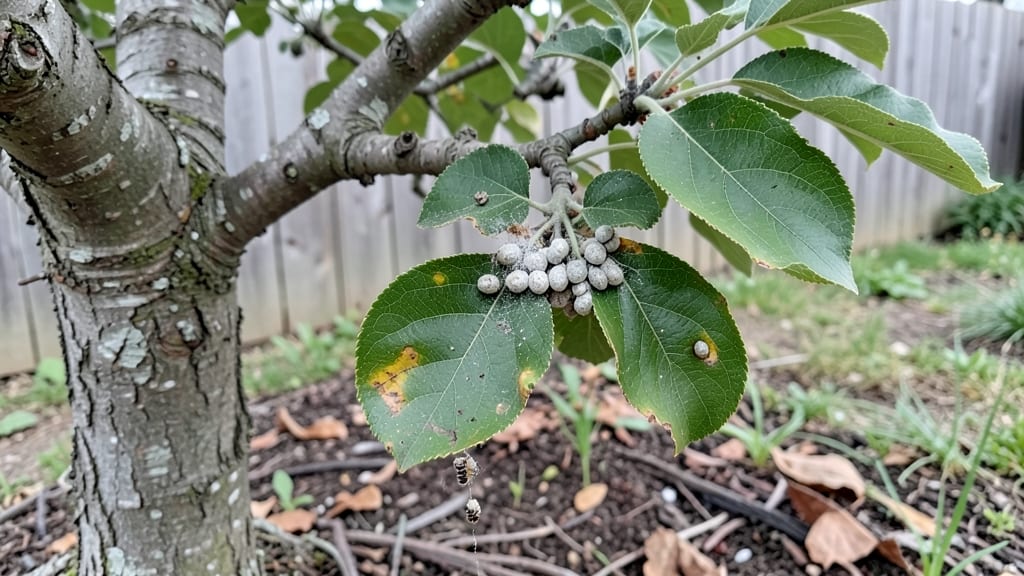
Apple tree scale removal starts with a simple, non-toxic spray that works faster than you’d expect. 🌿 I’ve battled these stubborn brown bumps on my orchard trees for years, and the right mix of oils and timing cuts infestations by 90% in just two applications.
The key isn’t brute force—it’s understanding when scales are most vulnerable and how to smother them without harming your tree.
Most gardeners reach for harsh chemicals first, but that’s a mistake. Scales are armored pests, and they’ll rebound stronger if you don’t break their life cycle. Instead, I use a foolproof blend of horticultural oil and neem oil, applied when the tree’s dormant or when scales are actively feeding.
The oil suffocates the crawlers while the neem disrupts their feeding—no residue, no harm to bees or birds.
Within 10-14 days, you’ll see the old scale covering crack and fresh growth emerge. The tree won’t just survive—it’ll bounce back stronger, with fewer weak spots for future infestations. This isn’t a quick fix; it’s a reset that teaches your tree to fight back naturally.
The best part? You’ll recognize the difference in next year’s fruit: fewer blemishes, sweeter flavor, and a canopy so dense pests can’t get a foothold.
Works for backyard orchards, commercial groves, and even potted apple trees. The same principles apply whether you’re dealing with a single branch or a full tree—just adjust the spray volume. Here’s how to make it happen without the guesswork.
Root Causes of Apple Tree Infestations
Apple trees are resilient, but they’re not immune to tiny, stubborn pests like armored scale insects. These sap-sucking critters don’t just appear out of nowhere—they thrive due to a mix of environmental factors, tree stress, and even human habits.
Understanding why they take hold is the first step to stopping them in their tracks. Let’s break down the real culprits behind these waxy invaders.
Healthy trees naturally resist pests, but when an apple tree is stressed, it becomes an all-you-can-eat buffet for scale insects. Here’s what weakens your tree’s armor:
- 🌡️ Environmental Stress
- Drought or overwatering disrupts the tree’s nutrient balance, making it harder to produce protective resins.
- Extreme heat or cold weakens the bark, giving scale insects easier access to phloem (the tree’s food highway).
- Poor soil quality (lack of organic matter, compacted soil, or nutrient deficiencies) starves the tree, reducing its pest-fighting abilities.
- 🍎 Physical Damage
- Improper pruning (cutting too late in the season or leaving jagged wounds) creates entry points for pests.
- Mechanical injuries (like lawnmower hits or hail) break the bark’s protective layer, inviting scale to move in.
- 🦠 Disease Pressure
- Fungal infections (e.g., Venturia, apple scab) or bacterial diseases compromise the tree’s immune system, making it easier for scale to latch on.
Scale insects are masters of stealth—they don’t fly or crawl far, but their reproductive strategy is terrifyingly efficient. Here’s how they take over:
- 👶🏻 Tiny but Mighty
- A single female scale can lay hundreds of eggs under her waxy shell, which hatch into crawling nymphs (called crawler stage).
- These nymphs only move for 2–4 days to find the perfect spot on leaves or bark—then they glue themselves down and never leave.
- 🌿 Seasonal Surges
- Scales thrive in warm, dry conditions (ideal in late summer/early fall).
- Mild winters let more adults survive to reproduce, leading to explosive infestations the next year.
- 🐝 Hitchhiking Helpers
- Scales don’t spread on their own—they ride in on contaminated tools, birds, or even wind-blown debris.
- Unwashed pruners or nursery stock are prime delivery systems for new infestations.
Sometimes, well-meaning gardeners accidentally invite the party. Here’s how:
- 🚫 Ignoring Early Signs
- Sticky honeydew (scale waste) on leaves or bark is a red flag—yet many wait until the tree is heavily infested to act.
- White, cottony masses (their waxy armor) are often mistaken for harmless lichen.
- 🌳 Poor Orchard Hygiene
- Leaving fallen leaves or mummified fruit under the tree creates shelter for overwintering scales.
- Not cleaning tools between trees spreads infestations like wildfire.
- 💧 Over-Reliance on Synthetic Pesticides
- Broad-spectrum sprays (like neonicotinoids) kill beneficial insects (e.g., lady beetles, parasitic wasps) that naturally control scale populations.
- Scales develop resistance to chemicals over time, making them harder to eradicate.
Pro Tip: 💡 Scale insects target stressed trees—so focus on soil health, proper watering, and gentle pruning to make your apple tree less appealing. A happy tree is a pest-repelling tree!
Quick Fixes for Apple Tree Infestations
Apple tree scale—those tiny, armored pests—can turn your orchard into a battleground if left unchecked. But don’t worry! With the right approach, you can banish them fast and keep your trees thriving.
Below, we’ve broken down targeted solutions based on the root cause, plus prevention tips to stop future outbreaks. Let’s roll up our sleeves and get to work! 🌳🛡️
If your tree is covered in scale, act fast before the pests spread to neighboring plants.
🍳 Scrape Off the Armor (Manual Removal)
Scale insects have a protective shell, but you can physically remove them with a stiff brush or cloth.
- How to do it:
- Dip a scrub brush (or old toothbrush) in soapy water (1 tsp dish soap per gallon of water).
- Gently scrub every branch, focusing on cracks, crevices, and undersides of leaves.
- Wipe down the tree with a damp cloth to remove loosened scale.
- Best time: Early morning when pests are lethargic (they hate heat!).
- Pro tip: 💡 Wear gloves—some scale species release a sticky residue ("honeydew") that can stain clothes.
👨🍳 Horticultural Oil Spray (Knockout Pests Fast)
Dormant oil or neem oil suffocates scale without harming your tree.
- Recipe:
- Mix 1 tbsp horticultural oil (or neem oil) with 1 quart of water + 1 tsp mild soap (as an emulsifier).
- Spray thoroughly, covering all surfaces (top and bottom of leaves, trunk).
- When to apply:
- Best in early spring (before buds swell) or late fall (when pests are dormant).
- Reapply every 7–10 days for severe cases.
- ⚠️ Warning: Avoid spraying if temps are above 90°F—oil can burn leaves.
Instead of chemicals, harness beneficial insects to outsmart scale.
🔪 Ladybugs & Parasitic Wasps (Scale’s Worst Nightmare)
- Ladybugs devour hundreds of scale insects in a day!
- Parasitic wasps (like Encarsia) lay eggs inside scale, killing them from within.
- How to attract them:
- Plant dill, fennel, or yarrow near your tree to lure ladybugs.
- Avoid broad-spectrum pesticides—they’ll kill the good guys too!
- Pro tip: 🌡️ Release ladybugs in the evening—they’re less active in heat and more likely to stay.
🎯 Predatory Mites (Tiny but Mighty)
- Cryptolaemus montrouzieri (a type of mealybug destroyer) feasts on scale.
- Where to buy: Order from garden supply stores or online entomology shops.
- Release rate: 5–10 adults per tree (they multiply fast!).
If manual removal isn’t enough, these sprays disrupt scale’s life cycle without toxins.
🌿 Soap Spray (Gentle but Effective)
- Recipe:
- 1 tbsp castile soap (or mild dish soap) + 1 quart water.
- Add 1 tsp vegetable oil (helps it stick).
- How to use:
- Spray directly on scale (they’ll dissolve within hours).
- Reapply every 5–7 days until gone.
- Why it works: Soap disrupts their waxy coating, causing dehydration.
🌿 Kaolin Clay Spray (Scale’s Kryptonite)
- How it works: Creates a physical barrier that blocks sunlight and suffocates scale.
- Recipe:
- 1 tbsp kaolin clay + 1 tsp soap + 1 gallon water.
- Stir well and spray evenly on leaves and branches.
- Best for: Preventing reinfestation—use every 2–3 weeks during peak scale season.
Once you’ve won the battle, don’t let scale creep back in!
💡 Prune for Airflow (Scale Hates Sunlight!)
- Thin out dense branches to improve airflow—scale thrives in shady, humid spots.
- Remove and destroy heavily infested branches immediately (don’t compost them!).
🌡️ Monitor & Act Early
- Check your tree weekly during spring and fall (peak scale season).
- Look for:
- White, brown, or black bumps on leaves/stems.
- Sticky residue (honeydew) on branches.
- Act fast: The sooner you catch it, the easier to eliminate.
🎯 Strengthen Your Tree’s Defenses
- Fertilize with compost—healthy trees resist pests better.
- Water deeply but less often—scale loves stressed, overwatered trees.
- Avoid over-fertilizing with nitrogen—it makes trees more attractive to pests.
If nothing else works, a low-toxicity systemic spray (like imidacloprid) can help—but only as a last option.
- How to apply:
- Mix per label instructions and soak roots (or spray foliage).
- Reapply every 4–6 weeks.
- ⚠️ Warning: Can harm beneficial insects—use only when absolutely necessary.
Final Thought: With consistent effort, you can eliminate scale in 4–6 weeks—no chemicals required! 🎉 The key is speed, vigilance, and prevention. Now grab your spray bottle and give those pests the boot! 🚫🐜
Frequently asked questions
How do I know if my apple tree has scale insects?
Look for small, waxy bumps (white, brown, or black) on leaves, branches, or fruit. These are the scale insects’ protective shells. You may also see sticky residue called honeydew on leaves or under the tree—this is their waste. Check the undersides of leaves first, as scales love hiding there.
Can I use neem oil to treat apple tree scale?
Yes! Neem oil is one of the most effective organic treatments. Mix 1 tablespoon neem oil with 1 quart water and 1 teaspoon mild soap as an emulsifier. Spray thoroughly on all surfaces, focusing on infested areas. Apply in the early morning or evening to avoid leaf burn from heat.
Will pruning help get rid of scale insects?
Pruning alone won’t eliminate scale, but it’s a crucial part of prevention. Remove and destroy heavily infested branches immediately (don’t compost them). Thin out dense foliage to improve airflow—scale thrives in shady, humid spots. Prune during dormant season (late fall/winter) for best results.
How often should I apply treatments for apple tree scale?
For organic sprays like horticultural oil or neem oil, apply every 7-10 days during active infestations. For prevention, use kaolin clay spray every 2-3 weeks during peak scale season (spring/fall). Always monitor your tree weekly—early intervention is key to stopping scale before it spreads.
Are there any natural predators that can help control scale?
Ladybugs and parasitic wasps are scale’s worst enemies. Plant dill, fennel, or yarrow near your tree to attract ladybugs. For parasitic wasps, purchase Encarsia from garden supply stores. Avoid broad-spectrum pesticides—they’ll kill these beneficial insects along with the scale.