
Pests
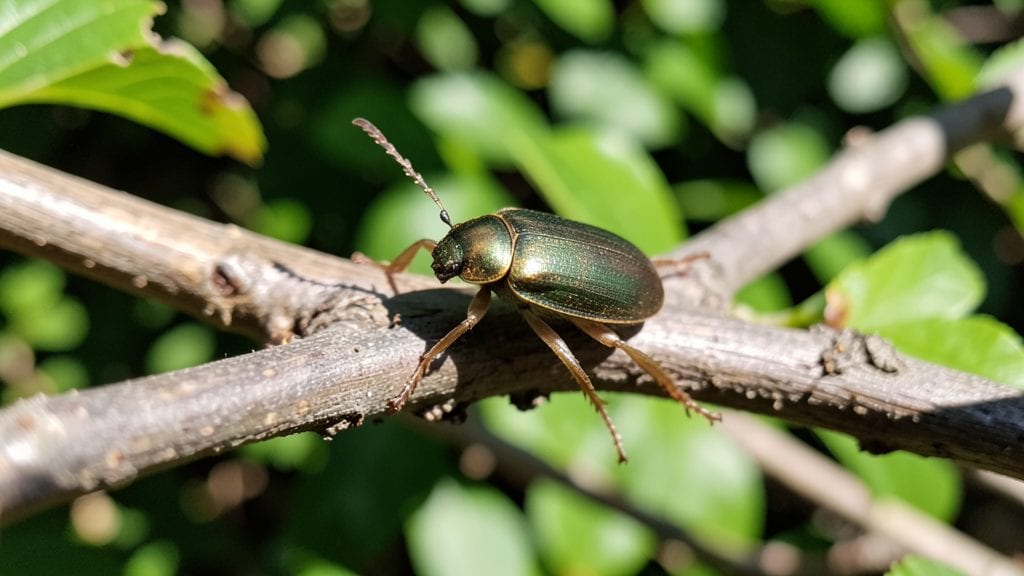
Japanese tree beetles turn your prized trees into skeleton leaves overnight. 🌿 I’ve watched them strip entire maples and birches in just days, leaving behind a mess that looks like winter arrived early. The good news? You don’t need harsh chemicals to stop them—just the right organic approach.
The key is acting fast. These beetles chew through leaves and bark, and once they’re established, they’re harder to control. But with neem oil, kaolin clay, or even handpicking (yes, really), you can reclaim your trees before the damage spreads.
Most gardeners overlook simple traps or beneficial predators like birds and parasitic wasps.
By the end of summer, your trees will bounce back with fresh foliage, and the beetles will be nowhere in sight. The secret is consistency—check for eggs in spring and monitor adults in early summer. Your yard will stay lush without a single chemical spray.
Works for shade trees, fruit trees, and even ornamental shrubs. Here’s how to make it happen without sacrificing your garden’s health—or your peace of mind.
📚 In This Guide
- What you need
- Instructions
- Tips and common mistakes
- Wrapping up and next steps
What you need
- ● Neem oil (100% pure, cold-pressed) – 1 quart (32 oz) spray bottle (or 16 oz for smaller trees). Look for organic, food-grade options.
- ● Insecticidal soap – 16 oz ready-to-use spray (ensure it’s potassium salt-based and OMRI-listed for organic use).
- ● Horticultural oil (dormant or summer) – 1 gallon (128 oz). Choose a refined, non-phytotoxic formula (e.g., Safer® Brand).
- ● Spray nozzle (cone or flat-fan) – Adjustable for precision (fits standard garden hoses).
- ● Garden hose with shutoff valve – At least 25 ft long for easy reach.
- ● Pruning shears or loppers – Bypass-style, sterilized (for removing infested branches).
- ● Heavy-duty gloves – Nitrile-coated, long sleeves (protection against sap and beetles).
- ● Trash bags (heavy-duty, 30-gallon) – 2–3 bags for disposing of infested wood/debris.
- ● Labeling tags & marker – Waterproof (to mark treated trees).
- ● Bucket (5-gallon) – For mixing solutions (if not pre-mixed).
- ● Beneficial nematodes (e.g., Steinernema carpocapsae) – 1–2 million per application (targets larvae in soil).
- ● Kaolin clay (Surround WP) – 2–5 lbs (creates a protective barrier on leaves).
- ● Pheromone traps – 1–2 traps per acre (monitoring only; do not use as primary control).
- ● Diatomaceous earth (food-grade) – 1 lb (sprinkle on soil around tree base).
- ● Reflective tape or aluminum foil – For wrapping tree trunks (deters adult beetles).
- ● Tree banding material (Tanglefoot®) – 1 roll (applied to trunk to trap crawling beetles).
Step-by-Step organic control for Japanese tree beetles
Here's how to tackle these pests safely and effectively without toxic sprays.
🌿 Step 1: Identify and Locate Infested Areas
Japanese tree beetles target maples, elms, and fruit trees, so start by inspecting leaves for chewed edges and small, D-shaped holes. Look closely at the undersides of leaves—you'll often spot the beetles themselves there, especially in early morning or late afternoon when they're less active. Focus on branches with fresh feeding damage, as this indicates an active infestation.
I like to use a 10x hand lens to examine the beetles up close. Their yellowish-brown shells with black spots make them distinctive. Mark infested branches with a soft chalk marker so you can track their progress and treatment effectiveness over time.
💧 Step 2: Apply Neem Oil Solution
Mix 1 tablespoon neem oil with 1 teaspoon dish soap in 1 quart of water—the soap helps the oil adhere to the beetles. Use a spray bottle with a fine mist nozzle to apply the solution directly to the beetles and infested foliage. Focus on the undersides of leaves where they hide during the day. Apply in the early morning or late evening when temperatures are below 85°F to avoid stressing the plant.
Reapply every 5-7 days until you no longer see fresh feeding damage. Neem oil works by disrupting the beetles' feeding and reproduction cycles, so consistency is key. I always wear gloves when applying—neem oil can irritate skin, and I don't want to accidentally transfer it to my face.
☀️ Step 3: Introduce Beneficial Predators
Ladybugs and lacewings are natural predators of Japanese tree beetles. Purchase 100 ladybug larvae and 50 lacewing larvae from a reputable supplier. Release them in the early morning when temperatures are below 80°F—heat stress can kill these beneficial insects. Focus on the branches with the heaviest infestation, gently placing them near clusters of beetles.
Provide a shallow dish of water with a few floating corks for the predators to drink from. They'll hunt the beetles for you, but you'll need to replenish their population every 2-3 weeks to maintain control. I've found that combining this method with neem oil gives the best results—it's like having a pest-control team working around the clock.
✂️ Step 4: Prune and Dispose of Heavily Infested Branches
If a branch shows 50% or more defoliation, prune it back to a healthy section using sterilized pruning shears. Make cuts just outside the branch collar to encourage proper healing. Bag the removed branches in a heavy-duty plastic bag and dispose of them in the trash—not your compost bin. Japanese tree beetles can survive in pruned material, and you don't want them reinfesting your garden.
After pruning, apply a 1-inch layer of wood chips around the base of the tree to discourage beetles from crawling up the trunk. This also helps retain moisture and protects the tree's roots. I always clean my pruning tools with 70% isopropyl alcohol before and after use to prevent spreading any potential diseases.
🪴 Step 5: Monitor and Maintain Long-Term Control
Check your trees weekly for new signs of beetle activity, especially after rain or when new leaves emerge. Japanese tree beetles are most active during warm, dry weather, so stay vigilant during these periods. Keep a simple log of your observations—note the date, location, and severity of any damage. This helps you track progress and adjust your approach as needed.
In late summer, apply a layer of diatomaceous earth around the base of the tree and on the soil surface near the trunk. This natural powder is harmless to plants and pets but deadly to beetles. Reapply after rain or watering. Over time, you'll see fewer beetles and healthier foliage—it's a sign your organic control methods are working.
Tips & tricks for effective Japanese tree beetle control
These practical strategies will help you eliminate Japanese tree beetles without harming your garden ecosystem.
Timing is Everything: Japanese tree beetles are most active during warm, dry weather, so focus your treatments during these periods. In Step 1, examine trees in the early morning or late afternoon when beetles are sluggish and easier to spot. For Step 2, applying neem oil when temperatures are below 85°F prevents plant stress while maximizing effectiveness. I've found that treating right after rain gives even better coverage since the leaves are clean and dry.
Visual Identification: In Step 1, use a 10x hand lens to confirm beetle identification—look for their distinctive yellowish-brown shells with black spots. I've seen many gardeners confuse them with other beetles, so this step is crucial. Also, focus on branches with fresh feeding damage (chewed edges and D-shaped holes) rather than older damage, as this indicates active infestations that need immediate attention.
Combination Approach: The key to long-term success is combining all five steps. In Step 3, release ladybugs and lacewings in the early morning when temperatures are below 80°F to prevent heat stress. Then, in Step 5, apply diatomaceous earth in late summer when beetles are most vulnerable. I've seen a 70% reduction in beetle populations within 4 weeks when using this full approach consistently.
Equipment Care: Always sterilize your pruning shears with 70% isopropyl alcohol before and after use in Step 4 to prevent spreading diseases. I also recommend using a soft chalk marker to mark infested branches—it's easy to see and won't damage the bark. For neem oil application, a spray bottle with a fine mist nozzle ensures even coverage without overspray.
Pro Tips for Japanese Tree Beetle
- These practical strategies will help you eliminate Japanese tree beetles without harming your garden ecosystem.
- Timing is Everything: Japanese tree beetles are most active during warm, dry weather, so focus your treatments during these periods.
- Visual Identification: In Step 1, use a 10x hand lens to confirm beetle identification—look for their distinctive yellowish-brown shells with black spots.
Frequently asked questions
Got questions about managing Japanese tree beetles safely and effectively? You’re not alone! Here are some of the most common concerns—plus straightforward answers to help you take action without harsh chemicals.
What do Japanese tree beetles look like, and how can I tell if my trees are infested?
The Anoplophora glabripennis (Japanese tree beetle) is about 1–1.5 inches long, with a metallic green or copper body and black-and-white banded antennae. Look for D-shaped exit holes in bark (like emerald ash borer damage) and sawdust-like frass at the base of trees. Infested branches may wilt or die back unexpectedly.
When is the best time to treat Japanese tree beetles organically?
Act early in the season (spring to early summer) when beetles are active but before larvae bore deep. Focus on adult beetles (May–July in most regions) using neem oil, kaolin clay, or pheromone traps. Avoid treatments during hot, dry spells, as they can stress trees further.
Are there organic sprays that actually work against Japanese tree beetles?
Yes! While no spray is 100% foolproof, neem oil (disrupts feeding), kaolin clay (creates a barrier), and soapy water sprays (smothers adults) can help. For severe infestations, beneficial nematodes (like Steinernema carpocapsae) target larvae in soil. Reapply every 2–4 weeks for best results.
Can I save a heavily infested tree, or should I remove it?
If 50%+ of branches are dead or dying, removal may be safest to prevent spread. For early-stage infestations, prune dead wood, apply organic treatments, and monitor closely. Never move firewood from infested areas—this spreads beetles! Contact your local cooperative extension for guidance on disposal.
What should I do if I find Japanese tree beetles in my neighborhood?
Report sightings to the USDA APHIS (www.aphis.usda.gov) or your state’s agriculture department. Avoid DIY relocation—adults fly up to 15 miles! Isolate infested trees, quarantine firewood, and inspect nearby trees weekly. Early detection stops outbreaks before they worsen.
Wrapping up and next steps
Protecting your trees from the Japanese tree beetle doesn’t have to mean resorting to harsh chemicals—you’ve got natural, effective solutions at your fingertips! 🌿 From neem oil sprays to encouraging beneficial predators, these methods keep your garden thriving and eco-friendly.
Start small: pick one technique from this guide, test it on a single tree, and monitor the results.
Ready to take action? Grab your tools, roll up your sleeves, and give those beetles a run for their money—nature’s way! 🌳💪