
Pests
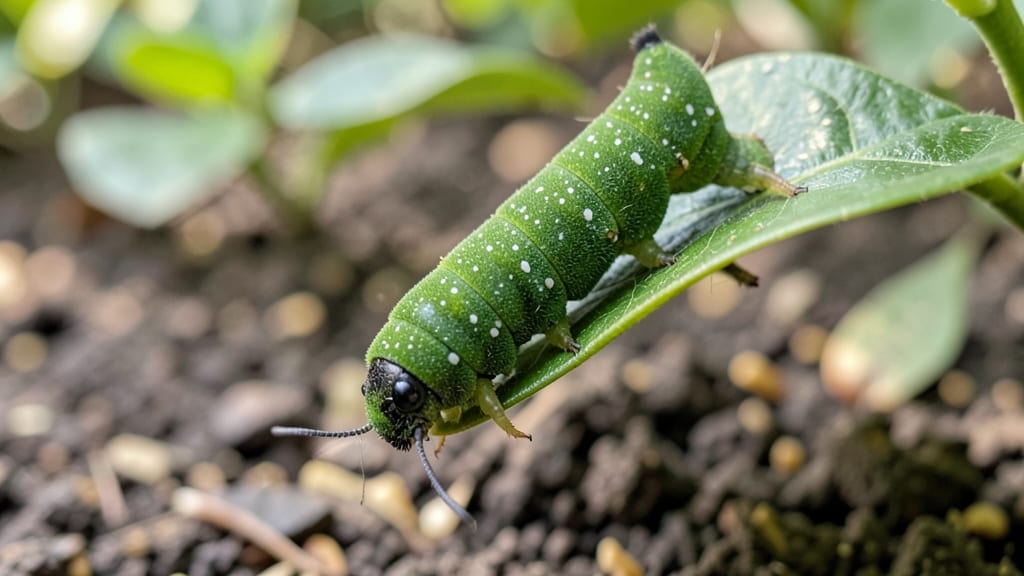
Those fuzzy green caterpillars munching your lemon tree leaves aren’t just a nuisance—they can strip a tree bare in days. 🌿 I’ve watched them devour entire branches, leaving behind skeletonized foliage that struggles to recover. The good news? You don’t need harsh chemicals to stop them.
Most of these caterpillars are actually the larvae of moths like the citrus leafminer or looper moths, which thrive in warm climates. They hide under leaves during the day, making them hard to spot until the damage is obvious.
The key is acting fast—once they pupate, you’re stuck waiting for the next generation to show up.
With the right organic sprays (neem oil, insecticidal soap) and physical removal, you can save your tree in 3-5 days of consistent treatment. I’ve used these methods to bring back trees that looked doomed, and the lemons come back bigger and sweeter than ever.
Prevention is easier than cleanup: prune regularly to improve airflow, introduce ladybugs as natural predators, and keep your tree healthy with proper watering. That way, you’ll spot problems early—and stop them before they start.
Root Causes Of Leaf Munching
When your lemon tree suddenly becomes a caterpillar buffet, it’s rarely a random act—there’s usually a clear reason why these hungry larvae have chosen your tree as their next meal.
Understanding these triggers can help you prevent future infestations and act faster when they strike. Let’s break down the most common culprits behind these leaf-eating outbreaks.
Lemon trees under stress—whether from drought, overwatering, poor soil, or nutrient deficiencies—emit volatile organic compounds (VOCs) that signal to pests like caterpillars: “Easy snack here!” These chemical cues are like neon signs for moths and butterflies looking to lay eggs.
- Drought stress: When roots struggle to absorb water, the tree’s leaves become drier and more nutrient-dense, making them irresistible to caterpillars.
- Overwatering: Soggy soil leads to root rot, weakening the tree’s defenses. Soft, waterlogged leaves are a caterpillar’s dream.
- Nutrient deficiencies: A lack of nitrogen (N) or phosphorus (P) makes leaves less tough, while an excess of nitrogen can make them too soft—both scenarios attract egg-laying moths.
Actionable fix: Keep your lemon tree’s soil consistently moist but well-draining (think “squeeze a handful—if water drips, it’s too wet”). A balanced fertilizer (10-10-10) applied in early spring can restore health and deter pests.
Most lemon tree caterpillars—like those from the Citrus Leafminer or Citrus Looper—come from eggs laid by adult moths. These moths are highly selective about where they drop their eggs:
- New shoots and leaves: Moths prefer young, tender growth because it’s easier for larvae to chew through. Prune your tree regularly to remove weak, leggy branches that signal vulnerability.
- Undersides of leaves: Many moths lay eggs on the lower leaf surface where they’re hidden from predators and weather. Check these spots weekly during peak moth season (spring to early summer).
- Warm, humid nights: Moths are nocturnal and most active when temperatures hover between 70–85°F (21–29°C) and humidity is high. This is why infestations spike after rainy periods or in shaded, damp microclimates.
Actionable fix:
- 🌿 Prune aggressively in late winter to remove potential egg-laying sites.
- 🕯️ Use yellow sticky traps near the tree to catch adult moths before they reproduce.
- 🌡️ Improve airflow around the tree by thinning dense foliage—moths avoid well-ventilated areas.
In a healthy ecosystem, beneficial insects like ladybugs, lacewings, and parasitic wasps keep caterpillar populations in check. But when their numbers drop—due to broad-spectrum pesticides, habitat loss, or monoculture gardening—caterpillars explode in numbers.
- Chemical overuse: Neonicotinoids and pyrethroids kill both pests AND predators, leaving caterpillars with no natural competition.
- Lack of biodiversity: A single lemon tree in a sea of concrete offers no shelter for predator insects. They need nearby flowers, weeds, and alternative prey to thrive.
- Seasonal predator die-offs: Cold winters or extreme heat can wipe out beneficial insect populations, creating a lag time before they rebound—just enough for caterpillars to stage a takeover.
Actionable fix:
- ✨ Plant companion species like dill, fennel, or marigolds to attract predator insects.
- 🚫 Avoid systemic pesticides—opt for targeted sprays (like Bt) that spare beneficial bugs.
- 🏡 Create a “bug hotel” with hollow stems, bark, and leaf litter to shelter predators year-round.
Where you live directly impacts caterpillar activity. Some regions are hotspots for specific pests due to:
| Factor | Why It Matters | High-Risk Zones |
|---|---|---|
| 🌡️ Warm winters | Moths survive year-round, leading to earlier and larger infestations. | Southern California, Florida, Arizona |
| 🌧️ High humidity | Moisture extends moth breeding seasons and keeps eggs from drying out. | Gulf Coast, Pacific Northwest |
| 🏜️ Arid climates | Drought-stressed trees emit stress signals that attract egg-laying moths. | Desert Southwest, Mediterranean regions |
| 🌿 Urban heat islands | Higher temps speed up caterpillar development, leading to faster, more aggressive infestations. | Los Angeles, Phoenix, Atlanta |
Actionable fix:
- 📅 Monitor local pest reports (check your Cooperative Extension Service) to predict outbreaks.
- 💦 Use drip irrigation in dry climates to avoid leaf wetting (which can attract fungal diseases and moths).
- 🌿 Mulch heavily in hot zones to retain moisture and reduce stress signals.
Natural Ways to Tame Tree Chewers
If your lemon tree is under siege by hungry caterpillars, don’t reach for harsh chemicals just yet! 🌿🐛 These leaf-munching pests can be managed effectively with organic, eco-friendly solutions that protect both your tree and the environment.
Below, we’ve mapped out practical fixes based on the root cause of the infestation—whether it’s early detection, physical removal, or biological control. Plus, we’ll share prevention tips to keep your lemon tree thriving long-term.
Caterpillars start small, but their appetite grows quickly. The sooner you spot them, the easier they are to remove.
**👨🍳 How to Fix It: - Inspect leaves daily (especially undersides) for tiny eggs, larvae, or chewed edges. 🔍 - Shake the tree gently over a white sheet or bucket—falling caterpillars will reveal their hiding spots. - Handpick visible caterpillars and drop them into soapy water (1 tbsp dish soap per gallon of water).
This kills them instantly without chemicals.
💡 Prevention Tip: Train yourself to check your lemon tree every 3–4 days during peak caterpillar season (spring to early summer). Early action saves leaves—and your sanity!
Mother Nature has her own pest patrol. Introduce beneficial insects or microbes to outsmart caterpillars naturally.
🐞 How to Fix It:
- Release parasitic wasps** (like Trichogramma or Cotesia species). These tiny wasps lay eggs inside caterpillars, killing them from within. Order them online or find local suppliers.
- Encourage ladybugs and lacewings—they devour caterpillar eggs and young larvae. Plant dill, fennel, or marigolds nearby to attract them. 🌼
- **Apply Bacillus thuringiensis (Bt)—a soil bacterium that’s safe for humans and pets but deadly to caterpillars. Mix it with water and spray it on leaves (reapply every 7–10 days).
🌡️ Pro Tip: Spray Bt in the late afternoon to avoid harming bees. Avoid mixing it with other pesticides, even organic ones.
If caterpillars are already a problem, block their access with simple (but effective) barriers.
🛡️ How to Fix It:
- Wrap the trunk with floating row covers or lightweight mesh to trap emerging moths before they lay eggs. Secure it tightly to prevent gaps.
- Use neem oil spray (1% solution) as a repellent and growth inhibitor. It disrupts caterpillars’ feeding and reproduction. Reapply every 5–7 days. 🌿
- Prune heavily infested branches and dispose of them in a sealed bag (not your compost!). Burn or trash them—do not compost caterpillar-infested plant material.
✨ Bonus Hack: Mix 1 tsp neem oil + 1 tsp garlic juice + 1 tsp dish soap per quart of water for a super-charged repellent spray.
An ounce of prevention is worth a pound of cure. Keep your lemon tree unappealing and unwelcome to caterpillars.
🛡️ How to Fix It:
- Maintain tree health: Healthy trees resist pests better. Water deeply but infrequently (let the top inch of soil dry out between waterings) and fertilize with compost in early spring.
- Remove fallen leaves/debris regularly—caterpillars and eggs hide here! 🧹
- Plant companion plants like basil, lemongrass, or lavender near your lemon tree. Their strong scents deter moths.
- Install yellow sticky traps to catch adult moths before they lay eggs.
🎯 Golden Rule: Diversity is key! Avoid planting monocultures (like rows of lemon trees)—caterpillars thrive where food is abundant and easy to find.
Final Thought: With these organic, hands-on strategies, you can outsmart caterpillars without resorting to toxic sprays. Start with early detection and handpicking, then boost your tree’s defenses with biological controls and barriers.
Before you know it, your lemon tree will be bushy, pest-free, and producing juicy fruit**—just the way nature intended! 🍋✨
Frequently asked questions
Are those fuzzy green caterpillars on my lemon tree harmful?
Yes, they can cause significant damage quickly. These caterpillars—often citrus leafminers or looper moth larvae—strip leaves, weakening your tree's ability to produce fruit. Acting within 3-5 days of noticing them can save your tree from severe defoliation.
What's the best organic way to remove caterpillars without chemicals?
Handpicking works well for small infestations. Drop caterpillars into soapy water (1 tbsp dish soap per gallon). For larger problems, use Bacillus thuringiensis (Bt) spray or introduce parasitic wasps that target caterpillars naturally.
Why do caterpillars keep coming back even after treatment?
They likely return because adult moths keep laying new eggs. To break the cycle, remove all eggs/larvae manually, use sticky traps for moths, and improve tree health with proper pruning and fertilization. Repeat treatments every 7-10 days during peak season.
Can I use neem oil on my lemon tree to prevent caterpillars?
Mix 1% neem oil solution and spray on leaves every 5-7 days. It disrupts caterpillar feeding and reproduction. For extra protection, combine with garlic juice (1 tsp per quart) to enhance repellent properties.
Will my lemon tree recover if most leaves are eaten?
Yes, but it needs time. New leaves will grow, but the tree may produce fewer fruits that season. Focus on removing remaining caterpillars, pruning damaged branches, and fertilizing to help recovery. Avoid heavy pruning until new growth appears.