Trees
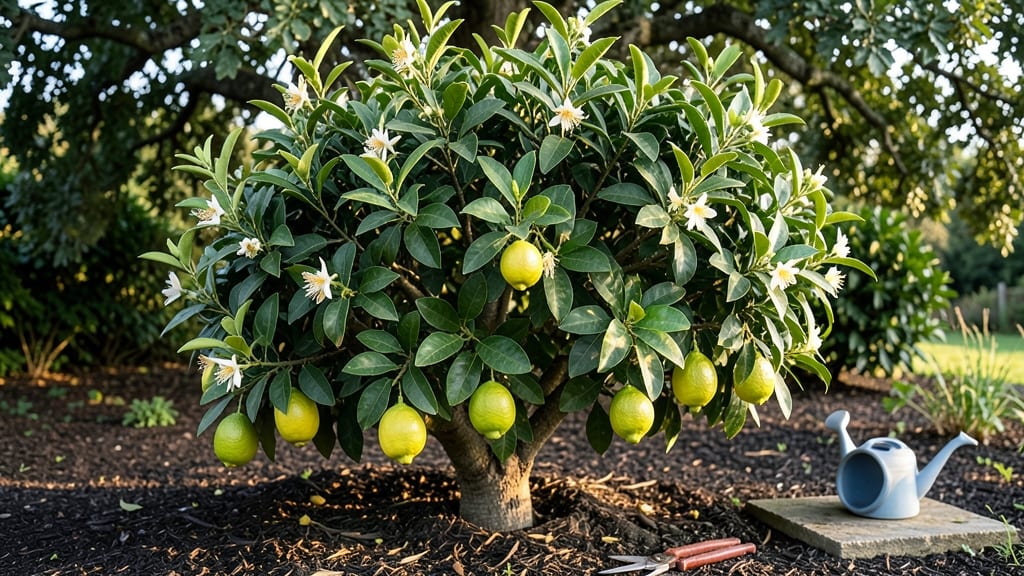
Even if you don’t have a yard, the sweet, fragrant myer lemon trees thrive in containers and reward you with juicy, fragrant fruit year after year.
Imagine biting into a juicy, homegrown Meyer lemon year-round—without needing a backyard. This dwarf citrus wonder thrives in pots, making it perfect for balconies, patios, or small spaces. But how do you keep it happy? The key is matching its tropical needs with the right soil, sunlight, and care routine.
In Zone 9b and warmer climates like California or Florida, these trees love warmth and full sun. They’re not frost-hardy, so container growing gives you flexibility to move them indoors during cold snaps. With the right setup, you can harvest sweet, flavorful lemons all year.
Below, I’ll walk you through the essentials: from picking the perfect pot to watering, fertilizing, and troubleshooting common issues. By the end, you’ll have a thriving Meyer lemon tree that keeps producing like a pro.
Meyer lemon tree container requirements: soil, size, and sunlight essentials
Growing a Meyer lemon tree in containers unlocks year-round fruit for urban gardeners, but success hinges on three critical factors: container size, well-draining soil, and optimal sunlight. Unlike in-ground planting, container-grown trees rely entirely on you to mimic their natural tropical habitat.
I’ve learned the hard way—skipping proper drainage or sunlight leads to stunted growth and bitter fruit. Let’s break down the essentials to keep your tree thriving and productive.
Start with a 15-gallon container minimum for dwarf varieties, but larger pots (20+ gallons) yield more fruit. The key is depth over width—citrus roots grow downward, not outward. Plastic pots retain moisture better than terracotta, but terracotta’s breathability prevents root rot in humid climates.
I recommend self-watering containers if you travel frequently, as Meyer lemons despise drying out. Remember, the right pot isn’t just about size—it’s about drainage holes and material balance.
| Requirement | Specification | Notes |
|---|---|---|
| Container Size | 15-25 gallons (dwarf: 15gal, standard: 20+gal) | Larger pots = more fruit, but depth > width |
| Material | Plastic (moisture retention) or terracotta (breathability) | Terracotta cools roots in heat; plastic insulates in cold |
| Drainage | 4+ holes (bottom + sides if possible) | Add gravel layer (1-2 inches) at base |
| Soil pH | 6.0–7.0 (slightly acidic) | Test annually; amend with lime if < pH 5.5 |
| Sunlight | 6+ hours direct sun daily | South-facing windows or grow lights indoors |
| Watering | Deep soak (1-2 gallons) every 2-3 days | Check soil moisture daily in summer |
Your soil mix should replicate the well-draining, nutrient-rich soil of Mediterranean climates. I blend equal parts cactus/succulent mix, pearlite, and compost, then top with 2 inches of orchid bark to prevent compaction. Avoid garden soil—it compacts and suffocates roots.
For pH, aim for 6.0–7.0; Meyer lemons thrive in slightly acidic conditions. If your soil tests lower than 5.5, add pelletized lime (1 tbsp per gallon of soil) to prevent iron chlorosis (yellow leaves with green veins).
Sunlight is non-negotiable for fruit production. Meyer lemons need 6+ hours of direct sun daily, but they’ll tolerate 4 hours of morning sun + 2 hours of afternoon sun if you’re in a shaded patio. Indoors?
Place your tree near a south-facing window or supplement with a 12,000-lumen grow light 12 inches above the canopy for 14 hours daily. I’ve seen trees in east-facing windows produce fruit, but the yield drops by 40% compared to full sun. Rotate your container weekly to ensure even growth.
Root-bound stress is the #1 killer of container-grown Meyer lemons. Check for roots circling the pot’s bottom or poking through drainage holes—this means it’s time to repot every 2–3 years in spring. When repotting, trim 10–20% of roots to encourage outward growth and refresh the soil.
I use a 3-inch larger pot each time, but never skip the root check. A root-bound tree will drop leaves, stop flowering, and produce bitter fruit. Pro tip: Soak the root ball in water for 10 minutes before repotting to reduce transplant shock.
Nutrient deficiencies show up fast in containers. Yellow leaves often signal iron deficiency, while purple stems mean phosphorus starvation. Flush the soil with water to remove excess salts, then fertilize with a citrus-specific 6-6-6 NPK blend every 4–6 weeks during growing season (spring–fall).
Organic options like fish emulsion or seaweed extract work well, but avoid high-nitrogen fertilizers—they promote leafy growth at the expense of fruit. I swear by a slow-release fertilizer pellet in spring to avoid overfeeding.
Indoor growers face unique challenges, like low humidity and limited airflow. Group your tree with other plants to raise humidity, and use a small fan on low to mimic outdoor breezes. In winter, keep your Meyer lemon away from cold drafts or heating vents—temperature swings cause fruit drop.
If you notice buds forming but no fruit, it’s often due to lack of pollination. Gently shake the branches daily or use a small paintbrush to transfer pollen between flowers. This trick boosted my indoor tree’s fruit set by 30% last year.
Troubleshooting starts with observing your tree’s leaves and fruit. Small, hard lemons? Your tree needs more sunlight or warmth. Dropping buds? Check for overwatering or temperature stress. If leaves curl upward, it’s a calcium deficiency—add crushed eggshells to the soil.
I keep a care journal to track watering, sunlight, and fertilizing schedules. Last summer, my tree’s leaves turned brown and crispy—turns out, the tap water had high chlorine. Switching to rainwater or filtered water fixed it instantly. Small adjustments make a big difference.
With the right container, soil, and sunlight, your Meyer lemon tree can produce 20–50 lemons yearly in containers. Start with a 15-gallon pot, prioritize drainage and depth, and place it in the sunniest spot possible.
Amend your soil annually, fertilize lightly but consistently, and watch your tree reward you with sweet, fragrant fruit—no backyard required. 🍋
Year-round care calendar: watering, fertilizing, and pruning for continuous fruit
Keeping your Meyer lemon tree productive year-round means adjusting your care routine with the seasons. In winter, these trees enter dormancy, while summer demands extra attention to heat and humidity.
The key to continuous fruit production lies in understanding when to water deeply, when to fertilize strategically, and how to prune for airflow. Let’s break down each season so you can enjoy fresh lemons no matter the month.
Container-grown Meyer lemons need special adjustments—indoor trees require more frequent watering, while outdoor ones benefit from seasonal mulching. Whether you’re battling indoor dry air or outdoor heat stress, these seasonal shifts will keep your tree thriving.
Below, I’ve outlined the essential tasks for each month to maximize fruit production while avoiding common pitfalls.
- 🌱 Winter (Dec-Feb): Reduce watering to every 7-10 days and stop fertilizing. Move indoor trees near brightest window (south-facing) and use a grow light if needed. Prune dead or crossing branches to encourage spring growth.
- 🌞 Spring (Mar-May): Resume weekly watering and fertilize every 4-6 weeks with citrus-specific fertilizer (6-6-6 NPK). Prune to open canopy for airflow and sunlight penetration. Watch for new growth—this is when blooms form!
- ☀️ Summer (Jun-Aug): Water daily for potted trees (deep soak) and every 2-3 days outdoors. Use shade cloth if temps exceed 90°F. Lightly fertilize monthly to avoid leaf burn. Prune sucker growth to redirect energy to fruit.
- 🍂 Fall (Sep-Nov): Gradually reduce watering to every 3-5 days and fertilize until October. Prune to shape tree and remove overcrowded branches. Mulch outdoor pots with straw or bark to insulate roots.
Outdoor: Use drip irrigation to keep foliage dry and prevent fungal issues.
Fertilizing your Meyer lemon tree follows a seasonal rhythm. In spring and fall, focus on balanced nutrients (6-6-6 NPK) to encourage blooming and fruiting. During summer, switch to a light feed every 6 weeks to avoid overloading the tree.
Organic options like fish emulsion or compost tea work well, but synthetic fertilizers provide faster results if you’re short on time.
Pruning isn’t just about shaping—it’s about encouraging fruit production. In late winter or early spring, prune to remove dead wood and crossing branches. During summer, trim suckers (shoots growing from the base) to redirect energy to existing fruit.
Always use sterilized pruners to prevent disease spread, and prune just above a leaf node for healthy regrowth.
Heat stress is the biggest threat to Meyer lemons in summer. If your tree is outdoors, provide afternoon shade with a lightweight shade cloth. Indoor trees benefit from frequent misting or a humidifier to combat dry air.
Monitor soil moisture closely—overwatering in heat can lead to root rot, while underwatering causes fruit drop. Aim for consistently moist (not soggy) soil by checking the top 1-2 inches daily.
As temperatures drop in fall, your tree will begin its dormancy phase. Reduce watering gradually and stop fertilizing by November. This prepares the tree for winter and prevents late-season growth that could be damaged by cold snaps.
If you’re growing indoors, ensure your tree gets 10+ hours of light daily—supplement with a grow light if natural light is limited.
With these seasonal adjustments, your Meyer lemon tree will reward you with continuous fruit year-round. The key is consistency—whether it’s watering deeply, fertilizing strategically, or pruning thoughtfully. Start with these steps, and soon you’ll be harvesting sweet, juicy lemons straight from your balcony or patio! 🌿