Pests
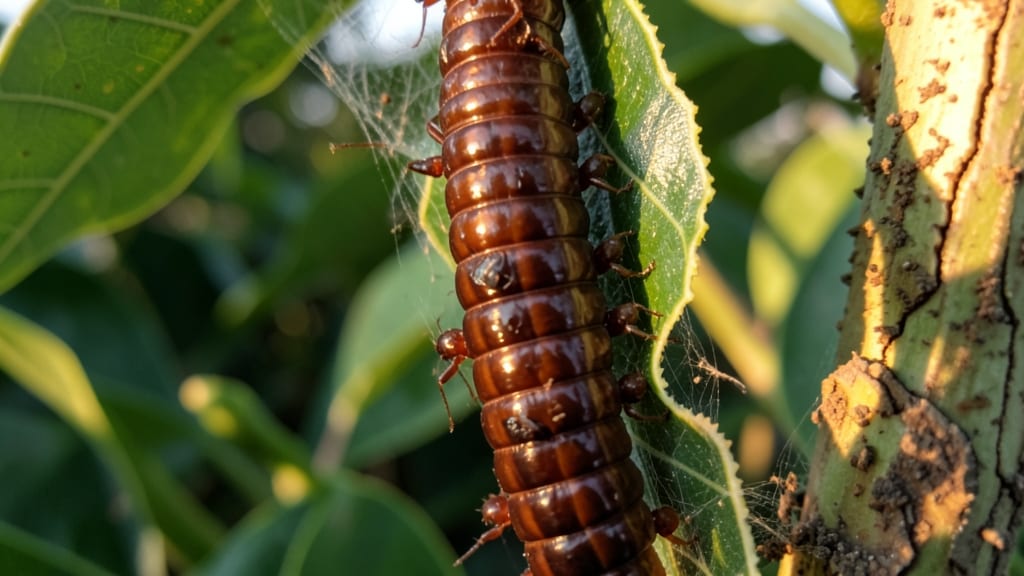
Avocado tree worms can turn your lush, productive tree into a defoliated mess if you don’t act fast. I’ve watched these sneaky pests chew through leaves, burrow into fruit, and weaken roots—until I learned the organic tricks that actually work.
The damage starts small but spreads fast, so knowing the signs and solutions is your best defense.
Most infestations come from avocado seed moth larvae or root-knot nematodes, both of which thrive in warm, moist conditions. You’ll spot the problem with wilting leaves, tiny holes in fruit, or gnarled roots when you dig.
The good news? Organic controls like neem oil, beneficial nematodes, and proper pruning can break their cycle without harming your tree—or your health.
By the end of this guide, you’ll have a step-by-step plan to inspect, treat, and prevent future worm outbreaks. Your tree will bounce back with stronger growth and healthier fruit, free from the telltale signs of infestation.
The key is acting early and staying consistent—no more guessing what’s eating your harvest.
Whether you’re growing in a backyard container or a greenhouse, these methods adapt to your setup. Let’s get your avocado tree back on track—naturally and effectively.
Why it happens
When your avocado tree starts looking less lush and more like a worm buffet, it’s usually not just bad luck—it’s a mix of environmental factors, tree health, and pest behavior.
Understanding why these pests target your avocado tree is the first step to stopping them in their tracks. Let’s break down the key reasons these tiny troublemakers show up uninvited.
🌱 Weak Tree Defense Systems
Avocado trees, like any plant, rely on a strong immune system to fend off pests. When your tree is stressed—whether from drought, poor soil nutrition, or disease—it becomes an easy target for worms and larvae.
Weak trees lack the natural defenses (like resin or tough leaves) that repel or deter pests. Think of it like a person with a weak immune system getting sick more often—your tree is just more vulnerable.
- Drought stress: Avocados need consistent moisture. If the soil dries out, the tree diverts energy to survival instead of pest resistance.
- Nutrient deficiencies: Lack of nitrogen, potassium, or micronutrients (like zinc or iron) weakens the tree’s ability to produce protective compounds.
- Root damage: Compaction, fungal infections, or physical harm to roots (from construction or foot traffic) starves the tree of nutrients.
Actionable fix: Water deeply 1–2 times per week (depending on climate) and conduct a soil test to address deficiencies. Mulching with organic matter (like compost or wood chips) also strengthens roots.
🐛 Overcrowded or Unhealthy Ecosystems
Worms thrive in environments where their natural predators are scarce or where they have easy access to food. If your avocado tree is part of a monoculture orchard (only avocado trees planted together) or if the surrounding area lacks biodiversity, pests like avocado seed borers or fruit flies multiply unchecked.
Even in home gardens, a lack of beneficial insects (like ladybugs or parasitic wasps) can tip the balance in favor of worms.
- Monoculture planting: Large groups of identical trees provide worms with endless meals with no natural breaks.
- Lack of pollinators/predators: Gardens with only avocado trees miss out on birds, bats, or insects that eat worm larvae.
- Weedy or damp ground: Overgrown grass or standing water near the tree creates hiding spots and breeding grounds for pests.
Actionable fix: Introduce companion plants like marigolds (which repel pests) or citrus trees (which attract beneficial insects). Prune weeds and ensure proper drainage to reduce worm-friendly habitats.
🍑 Ripe Fruit as a Worm Magnet
Avocado worms—especially species like the avocado seed borer or queen scale insects—are drawn to fruit that’s ripe or overripe. These pests lay eggs in soft, sugary flesh, where larvae can burrow in and feast.
Even unharvested fruit on the tree becomes a buffet, attracting more pests in a vicious cycle.
- Delayed harvesting: Leaving fruit on the tree past its prime signals worms that it’s an easy target.
- Damaged fruit: Bruises or cracks create entry points for eggs and larvae.
- Fertilizer imbalances: Too much nitrogen can make fruit sweeter and more attractive to pests.
Actionable fix: Harvest fruit promptly when it reaches maturity (check your variety’s specific cues, like skin color or stem pull-test). Use balanced fertilizers (like 6-6-6 NPK) to avoid over-sweetening fruit. For fallen fruit, remove it immediately to prevent infestations.
🌡️ Climate and Seasonal Factors
Worms are opportunistic, and their activity spikes during warm, humid conditions—ideal for egg-laying and larval growth. Avocado trees in tropical or subtropical zones face year-round threats, while those in cooler climates may see outbreaks during summer or after rain.
Even sudden temperature swings (like late frost followed by heat) can stress trees, making them more susceptible.
- High humidity: Moisture helps worm eggs hatch and larvae survive.
- Warm nights: Many worm species are nocturnal and active when temperatures stay above 70°F (21°C).
- Rainy seasons: Excess water can drown beneficial microbes in the soil while creating ideal conditions for fungal-borne pests.
Actionable fix: Monitor local weather patterns and adjust care routines. Use shade cloth in extreme heat or drip irrigation (instead of overhead watering) to control moisture. Prune trees to improve airflow and reduce humidity near the canopy.
Natural Ways to Treat Tree Pests
When you spot avocado tree worms munching on your fruit or leaves, quick action is key—but you don’t need harsh chemicals to save your tree. Below are targeted, organic solutions for each common cause, along with prevention tips to keep your avocado tree thriving.
If you find avocado fruit borers or other larval pests inside your fruit, act fast to prevent spread and spoilage.
🔥 Step 1: Harvest and Inspect Infested Fruit
- Pick any fruit with visible holes, tunnels, or webbing. Do not leave them on the tree—they’ll attract more pests.
- Cut open the fruit to confirm larvae. If you find worms, dispose of them in sealed bags (not compost).
🍳 Step 2: Apply Organic Sprays (Best Timing: Late Afternoon)
Use a mix of:
- Neem oil (1 tsp per quart of water + a drop of dish soap) – Disrupts larvae development.
- Kaolin clay (1 tbsp per gallon of water) – Creates a protective barrier that deters egg-laying.
- Bacillus thuringiensis (Bt) spray – A natural bacteria that kills caterpillar larvae on contact.
💡 Pro Tip: Reapply every 7–10 days during peak worm season (spring to early summer).
👨🍳 Step 3: Trap and Monitor
- Pheromone traps – Place them near the tree to catch adult moths before they lay eggs.
- Yellow sticky traps – Hang these to catch flying insects attracted to the tree.
If worms are chewing leaves (like avocado looper caterpillars), focus on removing them manually and reinforcing the tree’s defenses.
🔪 Step 1: Handpick Larvae (Best in Early Morning)
- Wear gloves and check leaves for:
- Green or brown caterpillars
- Silken webbing between leaves
- Drop them into soapy water to kill them instantly.
🌡️ Step 2: Boost Tree Health with Organic Fertilizers
Weak trees attract more pests. Strengthen yours with:
- Compost tea (rich in beneficial microbes)
- Fish emulsion or seaweed extract (for nitrogen and growth hormones)
- Mycorrhizal fungi (helps roots absorb nutrients better)
✨ Step 3: Encourage Natural Predators
- Ladybugs, lacewings, and parasitic wasps eat worm eggs and larvae. Attract them with:
- Dill, fennel, or marigolds planted nearby
- A shallow water dish with pebbles (for drinking)
The best defense is a healthy, pest-resistant tree. Follow these long-term strategies:
📊 1. Prune for Airflow
- Remove dense or diseased branches to reduce hiding spots for pests.
- Thin out foliage to let sunlight reach the center (worms love shady, moist areas).
💪 2. Mulch Strategically
- Use wood chips or straw mulch (not fresh grass clippings) to:
- Retain moisture (worms dislike dry conditions)
- Block weeds that attract pest-friendly insects
🥗 3. Rotate Organic Sprays Seasonally
- Spring: Neem oil + kaolin clay (egg-laying season)
- Summer: Bt spray (larval stage)
- Fall: Copper fungicide (prevents fungal secondary infections)
🎯 4. Quarantine New Plants
- Before adding new trees or nursery plants, inspect them for 2 weeks in isolation.
With consistent care, your avocado tree can bounce back—worm-free and productive. The key is early action + prevention. Happy growing! 🌿
Frequently asked questions
What are the most common types of avocado tree worms?
The two most destructive pests are avocado seed moth larvae (which burrow into fruit) and root-knot nematodes (microscopic soil worms that attack roots). Leaf-chewing caterpillars like the avocado looper also appear during warm seasons. Each targets different parts of the tree—fruit, leaves, or roots—so identifying the damage helps determine treatment.
How do I tell if my tree has a worm infestation?
Look for tiny holes in fruit, silken webbing between leaves, or gnarled, stunted roots when digging. Fruit borers leave sawdust-like frass near entry points, while nematodes cause yellowing leaves and poor growth despite regular watering. Check both above and below ground for signs.
Can I use chemical pesticides on avocado trees?
While synthetic pesticides like carbaryl or imidacloprid can kill worms quickly, they harm beneficial insects and may leave residues. For organic growers, neem oil or Bacillus thuringiensis (Bt) are safer alternatives. Always follow label instructions and consider organic methods first to protect pollinators and soil health.
Will removing infested fruit stop the spread?
Yes! Removing and disposing of infested fruit in sealed bags (not compost) prevents adult worms from emerging to lay new eggs. Pair this with pheromone traps to catch flying adults. For severe cases, also treat nearby trees to break the pest cycle—worms can jump between trees in close proximity.
How often should I apply organic sprays?
Apply neem oil or Bt spray every 7–10 days during peak worm season (spring to early summer). For nematodes, beneficial nematodes (like Steinernema) should be applied in moist soil during warm evenings. Always spray in the late afternoon to avoid harming bees and other pollinators.