
Watering
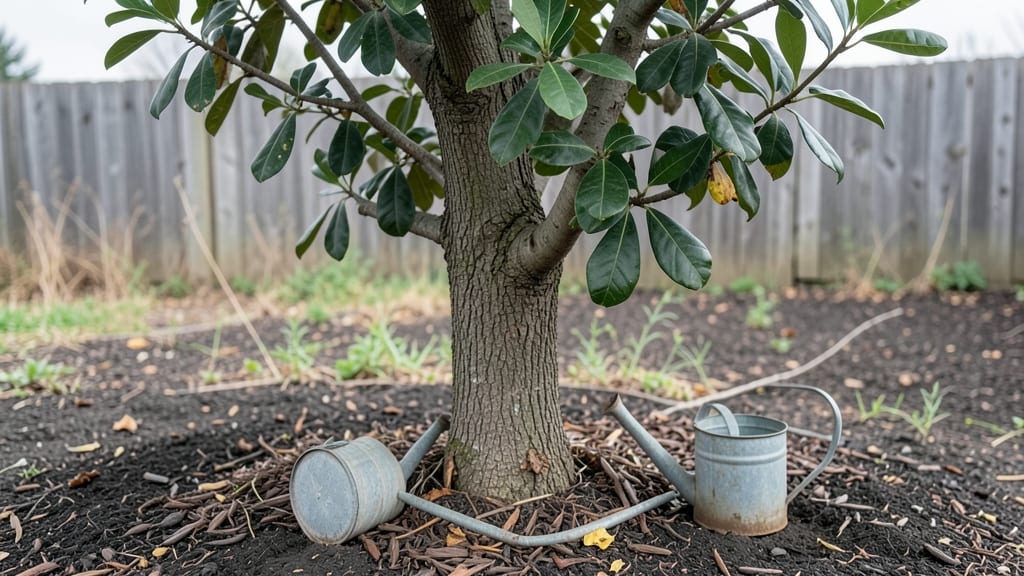
Watering avocado trees 🥑 is all about balance—too much drowns the roots, too little stunts growth, and the wrong timing can leave you with a fruitless tree.
Avocado trees are finicky about water—overdo it, and you risk root rot; neglect them, and your tree will struggle to bear fruit. The secret to faster growth lies in mastering the perfect soil moisture balance, not just how much you water, but when and how.
In Zone 9b climates like California or Phoenix, where I’ve grown mine, the key is deep, infrequent watering that mimics natural rainfall. A morning routine keeps evaporation low, while checking soil moisture with your finger (or a moisture meter) tells you exactly when to water—no guesswork.
Below, I’ll break down the exact schedule for young vs. mature trees, how to adjust for drought or heavy rain, and the one trick that saves container-grown avocados from drying out too quickly.
How often to water avocado trees by season and soil type
Avocado trees thrive on a consistent moisture balance, but their watering needs shift dramatically with seasonal changes and soil composition. In sandy soil, water drains quickly, requiring more frequent deep watering, while clay soil holds moisture longer, demanding caution to avoid soggy roots.
The key is adapting your schedule to match your tree’s growth stage—young trees need more frequent watering to establish roots, while mature trees prefer deep, infrequent soaks.
Your local climate plays a huge role too. In arid regions like Arizona or California, avocados may need watering every 3-5 days in summer, while humid zones like Florida might stretch that to 7-10 days.
Always water in the early morning to prevent fungal diseases and reduce evaporation. Now, let’s break down the perfect watering schedule for your specific conditions.
📌 Pro Tip: Use a moisture meter or the finger test—stick your finger 2-3 inches into the soil. If it feels dry, it’s time to water. If it’s damp, wait another day.
For young avocado trees (under 3 years old), the stakes are higher. Their root systems are shallow, so they need daily watering in their first year, especially in hot, dry conditions.
Once established, mature trees can handle longer stretches between waterings, but never let the soil dry out completely. A good rule of thumb: deep watering is better than shallow, frequent watering—it encourages roots to grow deeper, making your tree more drought-resistant over time.
If you’re growing avocados in containers, the game changes. Potted trees dry out 3x faster than in-ground trees because roots have less access to moisture. Check the soil daily in summer and water whenever the top 1-2 inches feel dry.
Use a pot with drainage holes and a well-draining mix (like 60% potting soil, 30% perlite, and 10% compost) to prevent root rot. A self-watering pot can be a lifesaver during heatwaves!
Watch for seasonal cues too. In spring, when new leaves are emerging, your tree will drink more water to support growth. In fall, reduce watering slightly as the tree prepares for dormancy.
And in winter, especially in colder zones, cut back even further—overwatering can suffocate roots and invite pests. Always adjust based on weather patterns: after a heavy rain,
Signs of overwatering vs. underwatering avocado trees (and how to fix them)
Your avocado tree might look healthy on the surface, but subtle clues like yellowing leaves or mushy stems often signal watering problems. Overwatering smothers roots with root rot, while underwatering stresses the tree into dormancy. The key is monitoring soil moisture—not just eyeballing your watering can.
Avocados thrive on consistent moisture but despise soggy soil. A quick check: Stick your finger 2-3 inches deep—if it’s damp, hold off. If dry, water deeply until it drains from the bottom. Container-grown trees dry faster, so check them daily in summer heat.
- Yellow leaves (especially lower)
- Mushy stems or blackened roots
- Fungal spots on leaves
- Slow growth despite frequent watering
- Wilting leaves (even with dry soil)
- Brown leaf edges (crispy texture)
- Premature fruit drop
- Dry, cracking soil around roots
- Let soil dry 50% between waterings
- Improve drainage with gravel or sand
- Prune rotten roots (sterilize tools!)
- Avoid watering at night (fungus risk)
- Water deeply 2-3x/week (spring/summer)
- Mulch to retain moisture (3-inch layer)
- Use drip irrigation for consistency
- Adjust for clay soil (water less often)
If your tree shows yellow leaves but the soil is soggy, act fast. Root rot spreads quickly—prune affected roots with sterilized shears and repot in fresh, well-draining mix. For underwatered trees, focus on deep watering: Aim for 10-15 gallons per session until water flows from drainage holes.
Young avocado trees need daily watering in their first year, but mature trees prefer bi-weekly deep soaks.
Pay attention to your local climate: Trees in Zone 9b (like California) may need watering every 5-7 days in summer, while Zone 6 trees can go 2 weeks between waterings in winter.
Pro tip: Use a moisture meter for accuracy—avocados hate guesswork. If your tree’s leaves curl inward or drop prematurely, it’s begging for water. But if they’re yellow and mushy, you’ve overdone it. Balance is everything for these tropical divas.
Remember, container-grown avocados dry out faster than in-ground trees. Check soil moisture daily in summer and adjust your watering schedule. With the right balance, your tree will reward you with lush growth and plentiful fruit—not just sad, wilted leaves.