
How To
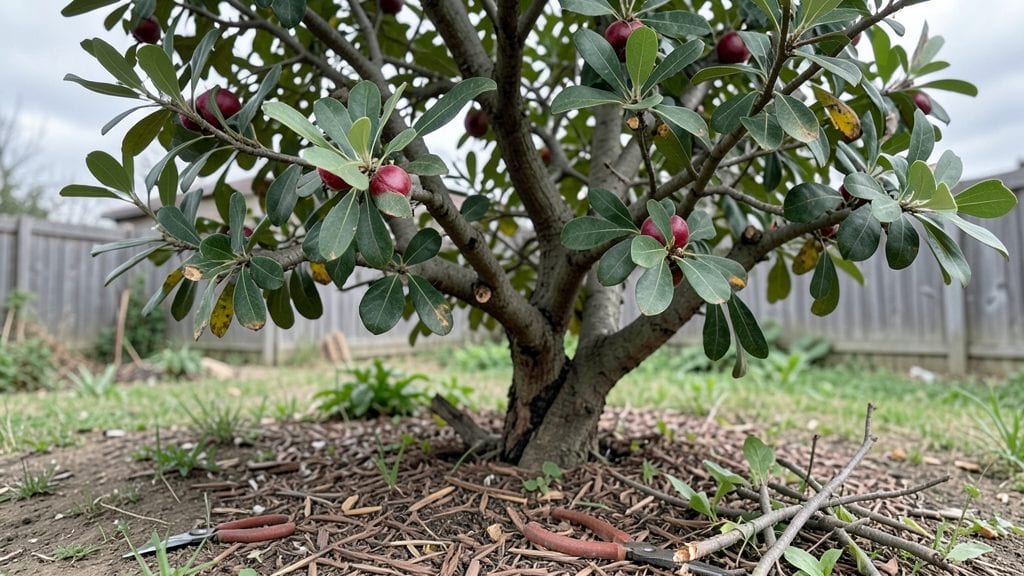
Pruning a pomegranate tree isn't just about shaping—it's how you unlock that shockingly lush fruit production every gardener dreams of.
I learned the hard way that skipping this step means fewer harvests and weaker branches, but once I mastered the timing and cuts, my tree went from scraggly to bursting with fruit in just one season.
The best time to prune is late winter or early spring, right before new growth starts, but you can do light maintenance after harvest too. You'll need sharp pruners, gloves, and a clear morning to see the branches properly—no rushing this part.
The key moves are cutting back dead wood, thinning crowded branches, and opening up the center for sunlight, which is where the magic happens for those jewel-toned fruits.
📚 In This Guide
- What you need
- Instructions
- Tips and common mistakes
- Wrapping up and next steps
What you need
- ● Pruning shears: Sharp, bypass-style shears (4-6 inches in blade length) for clean cuts on small branches.
- ● Loppers: A pair with long handles (20-24 inches) for thicker branches (up to 1.5 inches in diameter).
- ● Pruning saw: A curved-tooth saw for branches thicker than 2 inches—essential for stubborn cuts!
- ● Gloves: Heavy-duty, cut-resistant gloves to protect your hands from thorns and rough bark.
- ● Disinfectant: A 70% isopropyl alcohol or bleach solution (1 part bleach to 9 parts water) to sterilize tools between cuts (prevents disease spread).
- ○ Rubbing alcohol or hand sanitizer: For cleaning tools and wiping down cuts on the tree (optional but helpful).
- ● Pruning sealant: A tree wound sealant (like Tanglefoot Tree Wound Pruning Sealer) to coat large cuts—controversial but some swear by it for faster healing.
- ● Ladder or step stool: A sturdy, non-slip ladder (if your tree is taller than 6 feet).
- ● Trash bags or bucket: For collecting pruned branches and debris.
- ● Marking spray: Non-toxic paint or tape to mark branches for removal (great for planning ahead!).
- ● Safety glasses: To shield your eyes from debris, especially when using a saw.
Instructions for pruning pomegranate trees
Here's the straightforward approach I use to keep my pomegranate trees healthy and productive every season.
Identify the Right Time to Prune
Pomegranate trees thrive when pruned at the right moments. The best time is late winter or early spring, just before new growth begins—usually February or March in most climates. This timing encourages vigorous spring growth while allowing time for new branches to harden before winter. Avoid pruning in fall or winter, as cold weather slows healing and invites disease.
If you missed the ideal window, you can do a light pruning in summer after fruit set, but keep it minimal—just enough to shape the tree and remove dead wood. Heavy summer pruning stresses the tree and reduces next year’s fruit production. Watch for dormant buds swelling in early spring—that’s your cue to start.
Gather Tools and Prepare the Tree
You’ll need clean, sharp pruning shears for small branches and loppers for thicker limbs. Sterilize your tools with rubbing alcohol or a 10% bleach solution to prevent spreading disease. Wear gloves—pomegranate thorns are sharp, and the sap can irritate skin.
Inspect the tree for dead, diseased, or crossing branches first. These are your top priorities. Dead wood is easy to spot—it’s brittle, dark, and often snaps when bent. Diseased branches may have black spots, mold, or oozing sap. Remove these immediately to improve airflow and reduce pest attraction. Step back and look at the tree’s shape—aim for an open center with sunlight reaching the inner branches.
Remove Dead, Diseased, and Problem Branches
Start by cutting out dead or diseased wood at the branch collar—the swollen area where the branch meets the trunk. Make your cut just outside the collar, angled slightly downward to prevent water from pooling. Avoid leaving stubs, as they invite rot and pests. For larger branches, use the three-cut method: make a notch on the underside, then a cut above it, and finally remove the branch by cutting outward from the notch.
Next, remove crossing or rubbing branches—these create wounds and weaken the tree. If two branches grow toward each other, choose the healthier, stronger branch to keep and cut the other at its origin. Thin out overcrowded branches to improve airflow, focusing on the center of the tree. You’re aiming for a balanced, vase-like shape with sunlight penetrating to the core.
Shape the Tree for Fruit Production
Pomegranate trees produce fruit on new wood, so encourage vigorous, outward growth by pruning inward-facing branches. Cut back overly long or leggy branches by one-third to one-half to stimulate bushier growth. Avoid heavy pruning—never remove more than 25% of the tree’s canopy in one session, or you’ll stress the plant and reduce fruit set.
Pay attention to fruit-bearing branches. These are usually woodier and thicker than non-fruiting branches. Leave these alone unless they’re weak, diseased, or blocking light. If you’re pruning to harvest more fruit, focus on opening the canopy rather than cutting back fruit-bearing wood. After pruning, step back and visualize sunlight reaching the inner branches—that’s your goal.
Clean Up and Monitor the Tree
Rake up and dispose of all pruned branches—don’t leave them on the ground, as they can harbor pests and disease. Sterilize your tools again with rubbing alcohol to prevent cross-contamination. Water the tree deeply after pruning to help it recover, but avoid overwatering, which can lead to root rot.
Keep an eye on the tree in the weeks following pruning. Healthy new growth should appear within 4-6 weeks. If you see yellowing leaves, wilting, or slow regrowth, you may have over-pruned or stressed the tree. In this case, hold off on further pruning until the tree recovers. For the next year, focus on maintenance pruning—just removing dead wood and shaping as needed.
Tips & tricks for pruning pomegranate trees
Pruning pomegranate trees might seem intimidating, but these key strategies will help you maintain a healthy, fruit-bearing tree with minimal stress.
Timing is Everything: The late winter to early spring window (February or March) is critical because it allows the tree to heal before summer heat arrives. I've learned the hard way that pruning in fall or winter can actually invite disease—new growth needs time to harden before the next cold snap. If you miss this window, summer pruning should be light and focused only on removing dead wood, never more than 10% of the tree's canopy.
Tool Prep Makes All the Difference: Sterilizing your pruning shears and loppers with rubbing alcohol isn't just about cleanliness—it's about preventing disease spread between cuts. I always sterilize between trees and even between different branches on the same tree. And here's a pro move: use a sharp blade every time. Dull tools crush wood instead of making clean cuts, which slows healing and invites infection. A quick test is to make a clean cut through a piece of paper—if it tears, your blade is dull.
Shape for Sunlight, Not Just Aesthetics: When you're thinning branches in Step 3, focus on creating that open center vase shape. This isn't just about looks—it's about sunlight penetration. I always visualize tracing sunlight paths through the tree. The inner branches need that light to produce fruit, and proper airflow prevents fungal diseases. Remember, you're aiming for sunlight to reach all the way to the trunk's center, not just the outer branches.
Post-Pruning Care is Non-Negotiable: After you've finished pruning, don't just walk away. Water deeply to help the tree recover, but avoid overwatering which can lead to root rot. I've seen trees recover beautifully when given this simple aftercare. Then, monitor closely for the first 4-6 weeks. Healthy new growth should appear within this timeframe. If you see yellowing leaves or slow regrowth, it's a sign you might have over-pruned—hold off on any further cuts until the tree shows signs of recovery.
Pro Tips for Prune Pomegranate Tree
- Pruning pomegranate trees might seem intimidating, but these key strategies will help you maintain a healthy, fruit-bearing tree with minimal stress.
- Timing is Everything: The late winter to early spring window (February or March) is critical because it allows the tree to heal before summer heat arrives.
- Tool Prep Makes All the Difference: Sterilizing your pruning shears and loppers with rubbing alcohol isn't just about cleanliness—it's about preventing disease spread between cuts.
Frequently asked questions
Got questions about pruning your pomegranate tree? You’re not alone! Here are some of the most common concerns—plus clear, actionable answers to keep your tree thriving.
When is the best time to prune a pomegranate tree?
The ideal time is late winter or early spring (just before new growth starts). This helps avoid frost damage and encourages strong spring regrowth. Light pruning can also happen in summer after harvest to shape the tree, but avoid heavy cuts then.
Can I prune a pomegranate tree in fall?
Pruning in fall is risky because new growth may not harden off before winter, leaving it vulnerable to cold damage. If you must prune, do so very lightly (just removing dead wood) in early fall—but wait until spring for major shaping.
Will pruning reduce my pomegranate harvest?
Not if done correctly! Pruning actually boosts fruit production by improving airflow and sunlight penetration. Over-pruning (cutting >25% of the canopy) can reduce yield, but strategic cuts—like removing crowded branches—help the tree focus energy on larger, healthier fruit.
What if my pomegranate tree doesn’t have any branches to prune?
If your tree is young or leggy, don’t panic! Focus on:
- Selecting 2–3 strong central branches to encourage vertical growth.
- Avoiding "topping" (cutting the main stem) unless the tree is severely overgrown.
- Using growth regulators or fertilizers with lower nitrogen to promote branching.
My pruned branches are oozing sap—is this normal?
Yes! Pomegranate trees often bleed sap after pruning, especially in warm weather. This is harmless and won’t harm the tree. To minimize mess:
- Prune on a cool, cloudy day (not in heatwaves).
- Seal cuts with pruning sealant (optional) if sap bothers you.
- Avoid pruning during active sap flow (late winter/early spring).
How often should I prune my pomegranate tree?
Aim for annual light pruning in late winter/early spring, with optional summer shaping after harvest. Mature trees may only need every 2–3 years if they’re healthy, but always:
- Remove dead/diseased wood anytime it appears.
- Thin out crossing branches to prevent rubs.
- Check for water sprouts (fast-growing vertical shoots) and prune them out.
Wrapping up and next steps
Pruning your pomegranate tree doesn’t have to be intimidating—it’s all about timing, technique, and a little patience! 🌱 By following these year-round secrets, you’ll encourage healthier growth, more vibrant blooms, and a delicious harvest. Remember, the key is to cut with confidence and observe your tree’s response over time.
Ready to see your pomegranate thrive? Start small—pick one season to practice, then build your skills. Before you know it, you’ll be a pruning pro, reaping the rewards of your hard work! 🍇✨