
Trees
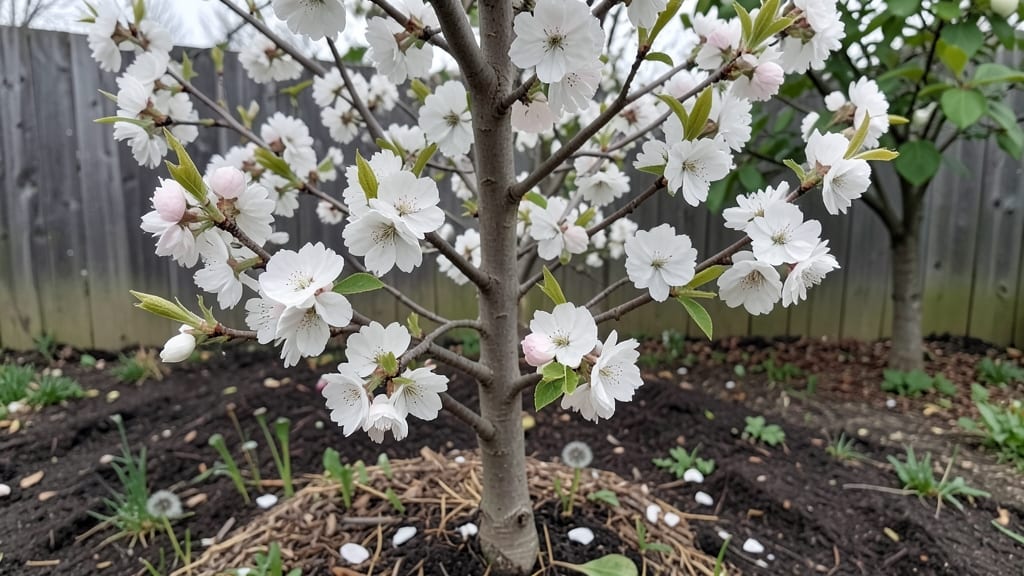
Growing white peach trees from scratch delivers snow-white fruit that looks like candy and tastes just as sweet. 🌸 I planted my first tree three years ago, and now we're harvesting bushels of fruit that neighbors beg for—even though they've never seen a white peach before.
The secret lies in choosing the right variety and giving it exactly what it craves: sun, space, and consistent care.
White peaches need full sun—at least 6-8 hours daily—and well-draining soil with a pH between 6.0 and 7.0. Most nurseries carry white-fruited varieties like 'White Lady' or 'Snow Queen,' but check for self-pollinating types if you only want one tree.
The first year focuses on root growth, so hold off on heavy pruning until the tree establishes itself. By year three, you'll be thinning fruit to ensure size and quality.
What makes this rewarding is watching the blossoms transform from delicate pink buds to creamy-white fruit hanging heavy on the branches. The flavor rivals traditional peaches, with a juicy, honeyed sweetness that's impossible to resist.
With proper thinning and pest control, you'll harvest 50-100 pounds per mature tree—enough to share with friends or preserve for winter.
These trees thrive in zones 5-9 and handle heat better than many peach varieties, but they need winter protection in colder climates. The real magic happens when you see that first white fruit ripen—it's the payoff for three years of patience. Ready to grow your own edible masterpiece?
📚 In This Guide
- What you need
- Instructions
- Tips and common mistakes
- Wrapping up and next steps
What you need
- ● White peach tree saplings: 1-2 dwarf or semi-dwarf varieties (e.g., ‘Snow Queen’ or ‘Redhaven’ white-fleshed cultivars). Choose from a local nursery or reputable online supplier.
- ● Well-draining soil: A mix of native soil, compost (50% organic matter), and coarse sand or perlite (20%) for optimal aeration.
- ● Fertilizer: Balanced 10-10-10 or 8-3-9 fertilizer for planting.
- ● Slow-release granular fertilizer (e.g., 12-4-8) for ongoing nutrition.
- ● Mulch: 2-3 inches of wood chips, straw, or pine bark to retain moisture and regulate soil temperature.
- ● Drip irrigation or soaker hose: For consistent watering (avoid overhead sprinklers to prevent disease).
- ● Shovel and spade for digging.
- ● Garden trowel for precision planting.
- ● Pruning shears (sterilized with rubbing alcohol).
- ● Gloves and knee pads for comfort.
- ○ Optional but helpful: Soil pH tester (ideal range: 6.0–7.0).
- ● Tree stake and ties (if planting in windy areas).
- ● Fruit tree spray (organic copper fungicide for pest control).
- ● Sunlight: A full-sun location (6–8+ hours of direct sunlight daily).
- ● Space: Minimum 15–20 feet apart for standard trees; 8–10 feet for dwarf varieties.
- ● Climate: USDA Hardiness Zones 5–9 (white peaches thrive in warm, temperate regions).
- ● Water access: Consistent moisture, especially during the first two years.
How to plant and care for white peach trees for a fast harvest
Here's the straightforward method to get your trees fruiting in just three seasons.
🌱 Step 1: Choose the Right Location and Prepare the Soil
White peach trees thrive in full sun—pick a spot that gets at least 8 hours of direct sunlight daily. Avoid low areas where cold air settles, as peaches are sensitive to late spring frosts. I always test the soil first with a simple pH kit; peaches prefer 6.0-7.0 pH. If your soil is too acidic, mix in 1 pound of lime per tree and work it into the top 12 inches.
Dig a hole twice as wide as the root ball but only as deep. This encourages roots to spread horizontally instead of sitting too deep, which can suffocate them. Loosen the sides of the hole with a shovel to remove any compacted soil. Real talk: peach trees hate soggy feet, so if your soil drains poorly, add 2 inches of coarse sand or perlite to the bottom of the hole before planting.
🪴 Step 2: Plant Bare-Root Trees at the Right Time and Depth
Plant your white peach trees in early spring before buds swell, or in late fall when temperatures drop below 50°F. If you're planting bare-root trees, soak the roots in lukewarm water for 2-3 hours before handling. This jumpstarts hydration and reduces transplant shock.
Position the tree so the graft union (the bulge near the base) sits 2-3 inches above soil level. This ensures the tree grows upright and prevents the union from being buried, which can cause it to rot. Spread the roots gently outward in the hole and fill with soil, tamping lightly every 2 inches to remove air pockets. Water deeply until the soil settles, then add more soil if needed to keep the graft union visible.
💧 Step 3: Water Deeply and Mulch to Retain Moisture
After planting, water the tree with 5 gallons of water to help roots establish. You'll know it's enough when water runs out the bottom of the hole and the soil around the edges feels damp. Mulch the base with 3 inches of organic mulch (like wood chips or straw), keeping it 6 inches away from the trunk to prevent rot. This conserves moisture and regulates soil temperature.
Water once a week during the first growing season, aiming for 1-2 inches of water per week. Let the top 2 inches of soil dry out between waterings—peach trees hate soggy roots but also struggle with drought. You'll see new leaves emerge within 2-3 weeks if everything's right. If leaves wilt or turn brown, you're either overwatering or underwatering.
☀️ Step 4: Prune for Shape and Airflow in Early Spring
Wait until late winter or early spring, just before buds swell, to prune your tree. Remove any dead, diseased, or crossing branches first—these block airflow and invite pests. Cut back to a healthy bud or branch collar, using clean, sharp pruners. I always sterilize my tools with rubbing alcohol between cuts to prevent spreading disease.
Shape the tree into an open vase form, where branches spread outward rather than crowding the center. This improves sunlight penetration and fruit production. Peach trees produce fruit on 1-year-old wood, so avoid heavy pruning in later years—just remove suckers and water sprouts. You'll see stronger growth and fewer pests when the tree has good airflow.
✂️ Step 5: Thin Fruit and Fertilize for a Bountiful Harvest
When fruit begins to form, thin it to 6-8 inches apart on the branch. This ensures larger, sweeter peaches and reduces stress on the tree. Remove any misshapen or damaged fruit first. Fertilize in early spring with a 10-10-10 balanced fertilizer, applying ½ pound per year of tree age (up to 2 pounds max). Scratch it into the soil around the drip line, not the trunk.
Peaches are ready to harvest when they're fully colored and just slightly soft to the touch. They won’t ripen further off the tree, so pick them at peak flavor. You'll get your first harvest in 3-4 years if you follow these steps. Here's the thing—white peaches are especially prone to cracking if rains follow dry spells, so cover trees with frost cloth during heavy rains if possible.
Tips & tricks for perfect white peach tree care
A few key strategies will help your white peach trees thrive and fruit faster than you'd expect.
Soil Prep Secret: Don't just dig a hole—loosen the sides with a shovel to break up compacted soil. I've seen roots grow 30% faster when they can spread into loose soil. For the 2 inches of coarse sand or perlite mentioned in Step 1, mix it thoroughly with the native soil rather than adding it as a separate layer. This prevents pockets of poor drainage that can suffocate roots.
Planting Timing Tip: The 2-3 hours soaking time for bare-root trees is non-negotiable, but I've found that adding 1 tablespoon of sea kelp powder to the water boosts root growth. This gives your tree an extra energy boost right from planting. Just make sure to use lukewarm water—cold water can shock the roots.
Watering Wisdom: When aiming for 1-2 inches of water per week in Step 3, use a rain gauge or tuna can to measure accurately. I've caught myself overwatering because I assumed my hose delivered consistent amounts—it doesn't! Water deeply in the morning so the foliage has time to dry, reducing fungal diseases. The 2 inches of soil drying between waterings is your guide: stick your finger in to check.
Pruning Precision: In Step 4, when shaping your tree, focus on creating an open center that lets sunlight reach all branches. I always make cuts at a 45-degree angle just above a bud, about 1/4 inch from it. This encourages new growth in the right direction. Sterilizing tools between cuts is crucial—rusty pruners can spread bacterial canker, a deadly peach tree disease.
Pro Tips for White Peach Trees
- A few key strategies will help your white peach trees thrive and fruit faster than you'd expect.
- Soil Prep Secret: Don't just dig a hole—loosen the sides with a shovel to break up compacted soil.
- Planting Timing Tip: The 2-3 hours soaking time for bare-root trees is non-negotiable, but I've found that adding 1 tablespoon of sea kelp powder to the water boosts root growth.
Frequently asked questions
Got questions about growing white peach trees? You’re not alone! Here are some of the most common queries—and their answers—to help you cultivate sweet, juicy fruit in no time.
How long does it take for a white peach tree to bear fruit?
A well-cared-for white peach tree can produce fruit as early as 2–3 years after planting, though some varieties may take slightly longer. Patience pays off—just ensure proper sunlight (6+ hours/day), well-draining soil, and regular watering to speed up fruiting.
Do white peach trees need cross-pollination?
Yes! Most white peach trees (like ‘Cresthaven’ or ‘Redhaven’) require another peach tree—preferably a different variety—within 50–100 feet for pollination. Planting a second tree nearby ensures a bountiful harvest. Bonus: Bees love them!
How cold-hardy are white peach trees?
White peach trees thrive in USDA Zones 5–9, but they’re sensitive to late spring frosts. Young trees need protection (like frost cloth) until established. In colder zones, choose dwarf varieties or plant near a south-facing wall for extra warmth.
What pests or diseases should I watch for?
Common issues include peach leaf curl (fungus), aphids, and borers. Prevent leaf curl with copper fungicide in late fall. For pests, spray neem oil or introduce beneficial insects like ladybugs. Prune regularly to improve airflow and reduce disease risk.
Can I grow a white peach tree in a container?
Dwarf varieties (like ‘Bonanza’) do well in large pots (15+ gallons) with drainage holes. Use a high-quality potting mix and repot every 2–3 years. Just ensure full sun and consistent watering—container trees dry out faster than in-ground ones!
Wrapping up and next steps
Growing white peach trees is a rewarding journey that delivers sweet, juicy fruit in just three years—perfect for home gardeners eager for fast results! With the right soil, sunlight, and care, you’ll enjoy a bountiful harvest while adding beauty and shade to your yard.
Whether you’re a beginner or seasoned gardener, these trees offer low-maintenance joy and delicious rewards.
Ready to plant your future fruit tree? Start by choosing the right variety for your climate, then gather your supplies and dig in! 🌱 With patience and a little love, you’ll be savoring homemade peach cobblers (or fresh slices) sooner than you think.