
Pests and Diseases
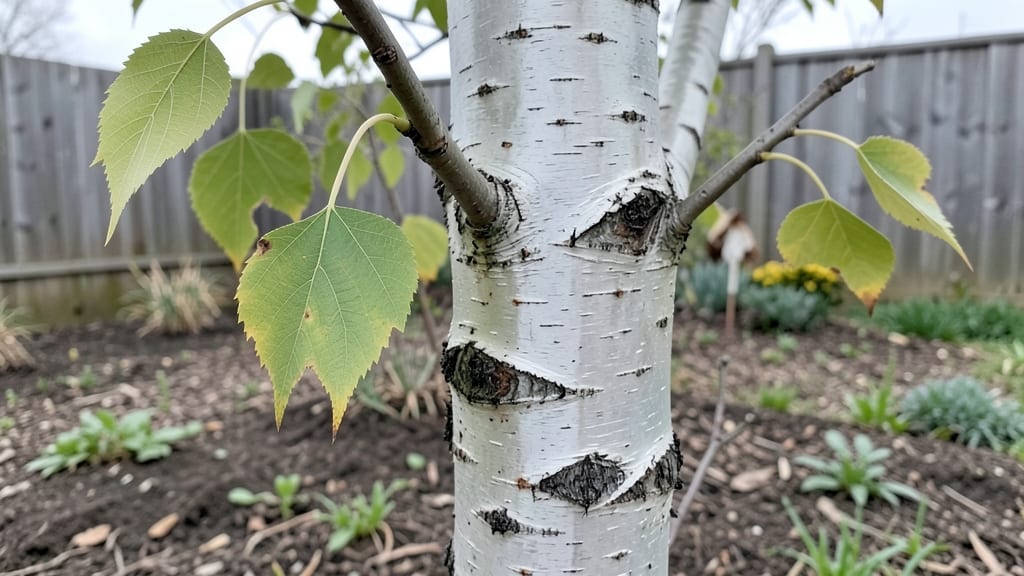
That strange brown patch on your birch tree’s leaves—or the oozing sap—could signal a birch tree disease turning your once-vibrant tree into a frail, fading shadow. 🌿 I’ve watched birch trees go from vibrant to struggling in just a few seasons because of infections like anthracnose or canker diseases—both of which thrive in damp conditions and spread faster than you’d think.
The good news? Catching these early gives you a real shot at saving your tree with the right care.
Most fungal issues on birch trees pop up when the weather stays too wet or humid for too long, or when wounds from storms or pruning give spores an easy entry point.
Bronze birch borer, another common culprit, doesn’t even start as a fungus—it’s a beetle, but the damage it causes creates openings for fungal infections to move in. The key to stopping the spread is acting fast: prune infected branches immediately, clean up fallen leaves, and avoid overwatering.
Think of it like treating a cut before it gets infected—prevention is easier than cleanup.
You’ll know you’re on the right track when new growth starts looking healthier by mid-summer, with fewer brown spots and no more oozing sap. Organic treatments like neem oil or copper fungicide can help, but for severe cases, a targeted fungicide (like myclobutanil) might be necessary.
The goal isn’t just to stop the disease—it’s to restore your tree’s natural defenses so it can bounce back stronger than before. With the right approach, you can turn things around before the problem takes root.
This works for both young birch trees and mature ones, though older trees might need extra TLC to recover fully. The methods here are tried and tested in home gardens, so you won’t need a degree in arboriculture to follow along.
Let’s get your birch tree back to its best—healthy leaves and all.
Root Causes Of Birch Tree Decline
Birch trees, with their striking white bark and delicate foliage, are susceptible to a variety of diseases—many of which stem from environmental stress, pathogen invasion, or poor cultural practices. Understanding the underlying factors that trigger these issues is the first step in prevention and treatment.
Below, we break down the key reasons birch trees fall prey to disease, backed by science and actionable insights.
Fungi are the #1 culprit behind birch tree diseases, thriving in moist, shaded conditions. The most notorious offenders include:
- Birch Leaf Spot (Marssonina brunnea) - Why it spreads: This fungus exploits wounded leaves or overhead irrigation, splashing spores onto healthy foliage. Warm, humid summers (60–80°F) create the perfect breeding ground. - Actionable insight: Remove and destroy infected leaves in fall to break the fungal cycle.
Space trees for airflow to reduce humidity near the canopy.
- Birch Canker (Neonectria ditissima) - Why it spreads: The fungus enters through pruning wounds, storm damage, or bark injuries, then colonizes the cambium layer. Weakened trees (from drought or poor soil) are especially vulnerable. - Actionable insight: Sterilize pruning tools with 70% isopropyl alcohol between cuts.
Avoid pruning during wet weather to minimize infection risk.
- Hypoxylon Canker (Hypoxylon mammatum) - Why it spreads: This aggressive fungus invades stressed or dying birch trees, often after other diseases (like canker) have weakened the tree. It produces black, tar-like fruiting bodies on branches. - Actionable insight: Prune and dispose of infected wood immediately (do not compost).
Focus on improving tree vigor through proper watering and fertilization.
Birch trees hate "wet feet"—excess moisture in the soil creates the ideal environment for root rot and fungal infections like Armillaria (honey fungus). Here’s how it happens:
- Waterlogged soil starves roots of oxygen, weakening the tree’s defenses. - Compacted or clay-heavy soil prevents excess water from draining, trapping pathogens at the root zone. - Actionable insight: - Test soil drainage by digging a 12-inch hole and filling it with water.
If it doesn’t drain within 6 hours, amend with organic matter (compost or sand). - Install French drains or raised beds if your yard has chronic standing water.
Birch trees under stress are easy targets for diseases. Common stressors include:
- Drought or Heat Stress
- Why it matters: Prolonged dry spells force trees to divert energy to survival, leaving them nutrient-deficient and susceptible to pests/diseases.
- Actionable insight: Water deeply 1–2 times per week during droughts (1–1.5 inches per session). Use mulch (3–4 inches) to retain moisture.
- Poor Soil Nutrition - Why it matters: Birches thrive in well-draining, slightly acidic soil (pH 4.5–6.0). Deficiencies in nitrogen, phosphorus, or potassium stunt growth, making trees more vulnerable. - Actionable insight: Conduct a soil test and amend with balanced fertilizer (e.g., 10-10-10) in early spring.
Avoid over-fertilizing, which can burn roots.
- Physical Damage (Storm, Hail, or Animal Injury) - Why it matters: Open wounds create entry points for fungi and bacteria. Even insect damage (like bronze birch borer) can trigger secondary infections. - Actionable insight: Seal pruning cuts with pruning sealant (for large wounds > ½ inch).
Monitor for sap oozing or discolored bark—signs of infection.
Some insects don’t just harm birches—they open doors for fungal invaders. Key offenders:
- Bronze Birch Borer (Agrilus anxius)
- Why it’s dangerous: Larvae tunnel under the bark, disrupting nutrient flow. Fungal spores often hitch a ride into these wounds.
- Actionable insight: Apply systemic insecticide (imidacloprid) in early spring before adults emerge. Wrap tree bases with burlap bands to trap adults.
- Birch Leafminer (Fenusa pusilla)
- Why it’s dangerous: Larvae feed between leaf layers, causing yellow blotches—stressed leaves are more prone to leaf spot fungi.
- Actionable insight: Prune and destroy infested leaves. Use horticultural oil in late winter to smother eggs.
Even well-meaning gardeners can accidentally encourage disease with these habits:
- Overhead Irrigation
- Problem: Water droplets linger on leaves, creating a fungal spa for pathogens like Marssonina.
- Fix: Switch to drip irrigation or soaker hoses to keep foliage dry.
- Planting Too Close Together
- Problem: Crowded birches compete for resources and trap humidity, slowing airflow and promoting disease.
- Fix: Space birches 15–25 feet apart (depending on the species).
- Ignoring Mulch Depth
- Problem: Mulch piled against the trunk (volcano mulching) traps moisture, leading to root rot.
- Fix: Keep mulch 3–4 inches deep and 2–3 inches away from the trunk.
Disease timing isn’t random—it’s tied to weather patterns:
| Season | Risk Factor | Prevention Tip |
|---|---|---|
| Spring | Cool, wet conditions favor leaf spot fungi. | Apply copper fungicide at bud break. |
| Summer | Heat + humidity = canker and borer outbreaks. | Water early in the morning to reduce evening moisture. |
| Fall | Leaves act as fungal overwintering sites. | Rake and dispose of leaves (don’t compost). |
| Winter | Freeze-thaw cycles crack bark, inviting pathogens. | Wrap young trees with tree guard to prevent sunscald. |
Before diseases take hold, watch for these red flags:
- Yellowing leaves (could signal root rot or nutrient deficiency).
- Black streaks or oozing sap (sign of canker or borer damage).
- Premature leaf drop (often a stress response to disease).
- Thinning canopy (a late-stage sign of decline).
Act fast: If you spot these, prune infected areas, apply fungicide (copper or neem oil), and improve tree health through watering/fertilizing. Prevention is always easier (and cheaper) than cure!
Fixing Birch Tree Ailments
Once you’ve identified the issue plaguging your birch tree—whether it’s bronze birch borer infestations, birch leaf spot, or canker diseases—the next step is action. The good news? Most birch tree problems can be managed with a mix of proactive care, targeted treatments, and smart prevention.
Below, we’ll break down solutions by cause, so you can tackle the issue head-on with confidence.
The bronze birch borer is one of the most destructive pests for birch trees, but early intervention can save your tree. Here’s how to fight back:
🍳 Remove Infested Branches
- Step 1: Inspect the tree for D-shaped exit holes (a dead giveaway for borer activity) and sawdust-like frass at the base of the trunk.
- Step 2: Use pruning shears or a handsaw to cut off and dispose of infested branches immediately. Do not compost them—burn or bag them to prevent reinfestation.
- 💡 Pro Tip: If the borer has already killed large branches, prune just beyond the point of infestation to encourage new growth.
👨🍳 Apply Systemic Insecticide
- Step 1: Choose a systemic insecticide labeled for borers, such as imidacloprid or dinotefuran.
- Step 2: Follow the label instructions to drill small holes into the trunk (about ¼ inch deep) and inject the solution. This ensures the chemical spreads throughout the tree’s vascular system.
- ⏰ Timing Matters: Treat in early spring (before eggs hatch) or late summer (when larvae are active but adults haven’t emerged yet).
🥘 Encourage Tree Health
- Step 1: Water deeply during dry spells to reduce stress (borers target weakened trees).
- Step 2: Apply a balanced fertilizer (like 10-10-10) in early spring to boost vitality.
- 🌡️ Monitor for Stress: If the tree is already declining, consider professional arborist consultation—some cases may require cabling or bracing to support weakened branches.
Fungal infections thrive in damp, crowded conditions, but you can disrupt their lifecycle with these strategies:
🔪 Prune for Airflow
- Step 1: Remove infected leaves, twigs, and cankers using sterilized pruners (wipe with rubbing alcohol between cuts).
- Step 2: Thin out dense foliage to improve airflow, especially in shaded or humid areas.
- 💡 Pro Tip: Rake up fallen leaves in autumn and dispose of them—fungi overwinter in leaf litter!
🌡️ Fungicide Applications
- Step 1: Use a copper-based fungicide (like copper sulfate) or a biological option such as neem oil or baking soda spray (1 tbsp baking soda + 1 quart water + a drop of dish soap).
- Step 2: Apply fungicide every 2–4 weeks during the growing season (spring to early summer) or as directed.
- ✨ Prevention Spray: For leaf spot, spray undersides of leaves where spores often hide.
🎯 Soil & Water Management
- Step 1: Ensure the tree has well-draining soil. Amend heavy clay with compost or sand if needed.
- Step 2: Water at the base of the tree (avoid wetting foliage) and avoid overhead irrigation during fungal outbreaks.
- 💪 Strengthen Defenses: Apply mulch (2–4 inches thick) around the base (but keep it 6 inches away from the trunk) to regulate soil moisture and temperature.
An ounce of prevention is worth a pound of cure—especially with birch trees. Build resilience with these habits:
- 🌿 Plant Strategically: Avoid planting birch trees in low-lying or poorly drained areas. They prefer full sun to partial shade with moist but well-drained soil.
- 🌡️ Monitor Year-Round: Conduct quarterly inspections for early signs of stress, pests, or disease. Look for yellowing leaves, oozing cankers, or unusual holes.
- 🍂 Fall Cleanup: Remove and dispose of all fallen leaves and debris in autumn to starve overwintering fungi and pests.
- 💪 Boost Immunity: Feed trees with organic matter (like compost tea) in early spring to enhance natural defenses.
- 🚫 Avoid Overwatering: Birch trees are sensitive to root rot—water only when the top 1–2 inches of soil are dry.
With consistent care, your birch tree can bounce back from even severe issues. If symptoms persist despite your efforts, don’t hesitate to consult a certified arborist—sometimes, professional intervention makes all the difference! 🌳💚
Frequently asked questions about birch tree health
What are the most common signs my birch tree has a fungal infection?
Watch for dark brown or black spots on leaves (leaf spot), oozing cankers on bark, or thinning foliage in patches. These often appear after wet springs or summer humidity spikes. Early symptoms include yellowing between leaf veins or small black fruiting bodies on branches.
Can I save a birch tree already dying from bronze birch borer?
It depends on how advanced the damage is. If only small branches are affected, prune infected areas and apply systemic insecticide (like imidacloprid) immediately. For severely compromised trees, consult an arborist—some cases may require removal to prevent spreading to nearby trees.
Is neem oil safe to use on birch trees for fungal diseases?
Yes! Neem oil is an excellent organic option for birch leaf spot and early-stage fungal issues. Mix 1 teaspoon per quart of water with a drop of dish soap, and spray undersides of leaves every 7-10 days during outbreaks. It disrupts fungal spores without harming the tree.
Why do my birch leaves turn yellow in summer even when I water regularly?
Yellowing in summer often signals nutrient deficiency (especially nitrogen or iron) or root stress from poor drainage. Test your soil—birches prefer slightly acidic (pH 4.5-6.0) conditions. Amend with compost and avoid overwatering, which can cause root rot.
How can I prevent birch diseases before they start?
Focus on three key habits: prune in dry weather with sterilized tools, remove fallen leaves annually, and improve airflow around the tree. Space birches 15-25 feet apart and use drip irrigation instead of overhead watering to keep foliage dry.