Blooming
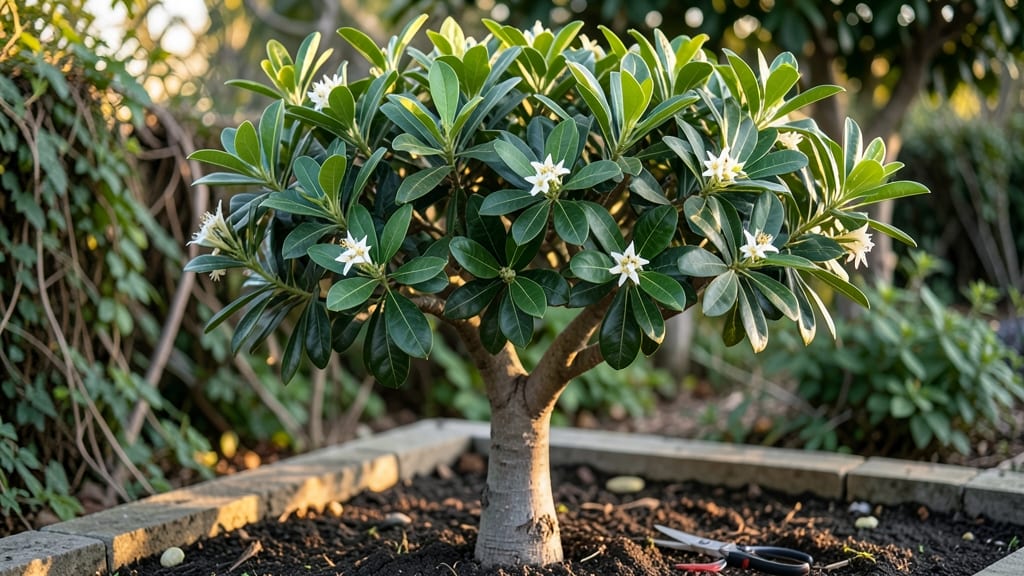
Guava trees bloom when they receive consistent warmth and sunlight 🥝 — typically between late winter and early spring in subtropical regions, or year-round in frost-free tropical zones.
Ever stood under a guava tree waiting for those fragrant white flowers to appear, only to see nothing but leaves? You’re not alone. The timing depends on your climate, and getting it right can mean the difference between a harvest in 6 months or waiting another year.
In cooler subtropical areas like Florida or California, blooms usually kick off in February or March, while tropical zones may see flowers year-round. The key triggers? Warmth, sunlight, and a little pruning prep to encourage new growth.
Below, I’ll break down the exact months for your region, how to spot early blooming signs, and the simple care steps to push your tree into full flower mode faster.
Guava tree bloom season: months and climate zones explained
Understanding the guava tree bloom season depends heavily on where you live. In USDA zones 10-12, guavas bloom year-round, while in zones 8-9, they follow distinct seasonal patterns tied to temperature shifts.
For example, in Florida’s subtropical climate, blooms peak during spring and fall, while California’s coastal zones see blooms in late winter and early spring. These patterns are influenced by day-length changes and temperature fluctuations, which trigger hormonal shifts in the tree.
In tropical regions like India and Southeast Asia, guava trees often bloom twice a year, with major flushes in monsoon season (June-July) and again in winter (December-January). This dual-flowering cycle is rare in temperate zones, where cooler winters force a single bloom period.
The key difference? Tropical guavas respond to rainfall triggers, while subtropical guavas rely on temperature cues like consistent warmth above 60°F (15°C).
Here’s how USDA hardiness zones break down for guava blooming:
| Zone | Bloom Season | Climate Type | Key Trigger | Notes |
|---|---|---|---|---|
| 10-12 | Year-round | Tropical | Rainfall/moisture | Peaks after heavy rains |
| 9 | Spring (Mar-May) | Subtropical | Warmth >60°F (15°C) | California coastal zones |
| 8 | Late winter (Feb-Mar) | Subtropical | Day-length increase | Florida’s inland areas |
| India (Tropical) | Monsoon (June-July) & Winter (Dec-Jan) | Tropical | Monsoon rains + cool nights | Two distinct bloom cycles |
If you’re growing guavas in USDA zone 8, like in southern Arizona or coastal Georgia, expect blooms to align with late winter’s warming trends. The tree needs consistent temperatures above 55°F (13°C) for at least 3-4 weeks to trigger flowering.
In zone 9, such as central Florida or southern Texas, blooms often start in February and peak by April, with a secondary flush in fall if conditions are ideal.
Temperature plays a critical role in subtropical zones. For instance, a sudden cold snap below 40°F (4°C) can delay or halt blooming entirely.
In California’s inland valleys (zone 9-10), guavas may bloom as early as January if winters are mild, but heavy frost risk in zone 8 can push blooms back until March or April.
This is why microclimates matter—even within the same zone, a sheltered garden may bloom weeks earlier than an exposed one.
In tropical climates like India, guava trees often produce two major bloom cycles per year. The first occurs during the monsoon season (June-July), when increased humidity and consistent rainfall stimulate flower production. The second cycle happens in winter (December-January)cooler nights (60-70°F or 15-21°C) and drier conditions.
This dual-flowering pattern is less common in subtropical zones, where trees typically focus energy on a single spring bloom.
To encourage blooming in subtropical zones, I recommend light pruning in late winter to remove dead or crowded branches. This improves air circulation and allows sunlight to reach flower buds.
Additionally, balanced fertilization with phosphorus-rich compost in early spring can boost bloom production. Avoid over-fertilizing with nitrogen, as this promotes leafy growth over flowers.
One common misconception is that guava trees bloom only once a year. While true for most subtropical varieties, tropical guavas often produce multiple bloom cycles if conditions are right. For example, in Hawaii (zone 12), guavas may bloom
How to tell when a guava tree is about to bloom (key signs)
Spotting the signs that your guava tree is preparing to bloom can save you from months of waiting. Unlike many fruit trees, guavas often show subtle but unmistakable cues weeks before those fragrant white or pink flowers appear.
I’ve learned the hard way—ignoring these signals can mean missing the optimal flowering window entirely.
One of the first things I notice is how the new leaf growth changes. Healthy guava trees produce shiny, deep green leaves just before blooming, often clustered at the tips of branches.
These leaves are a sign the tree is storing energy for flower production. If your tree’s leaves are pale or yellowing, it might be stressed and less likely to bloom.
Another telltale sign is the swelling of branch tips. Look closely at the ends of your guava tree’s branches—just before flowering, you’ll often see small, rounded buds forming. These aren’t just regular leaves; they’re the flower buds preparing to burst open.
In tropical climates, this swelling happens year-round, while in cooler subtropical zones, it’s most noticeable in late winter or early spring.
- 1. New Leaf Growth: Shiny, deep green leaves at branch tips signal energy storage for blooming. (Check for pale/yellow leaves—stress delays flowering.)
- 2. Branch Swelling: Rounded buds form at branch ends 4-6 weeks before blooms. Look for 1-2 inch swellings.
- 3. Scent Cues: A lightly sweet, floral aroma (like jasmine) near branch tips means buds are opening soon.
- 4. Root Health: Healthy roots (white, firm) = better nutrient uptake for blooms. Yellowing roots = delayed flowering.
- 5. Temperature Shift: Blooming often follows a 5-10°F drop in night temps (common in subtropical zones).
Don’t overlook your nose—one of the most reliable early warnings is a subtle floral scent wafting from your tree. Guava flowers emit a lightly sweet, jasmine-like aroma days before they’re visible.
If you’re near your tree and catch a whiff of this scent, mark your calendar—blooms could appear within 3-5 days. I once missed this cue because I was focused on visual signs, and I ended up harvesting 2 weeks later than I could have!
Root health plays a surprisingly big role in flowering. If your guava tree’s roots are white and firm, it’s absorbing nutrients efficiently, which fuels bloom production. But if you see yellowing or mushy roots, the tree is struggling to support flowers.
I’ve seen guava trees with perfect leaves and buds still fail to bloom because of poor root health—always check underground before blaming above-ground conditions.
Here’s a common misconception I hear often: “Guava trees bloom only once a year.” While many guavas in temperate zones do flower seasonally, tropical varieties can bloom multiple times a year if conditions are right.
In my Florida garden, my guava tree produces two main bloom cycles: one in spring and another in fall, triggered by seasonal rains and temperature shifts. Pay attention to your local climate—your tree might be more productive than you think!
If your guava tree isn’t showing these signs by spring or early summer (depending on your zone), it might need a little help. Try light pruning to remove dead wood, or adjust your watering schedule to ensure consistent moisture without overwatering.
Sometimes, a balanced fertilizer with phosphorus (the middle number in NPK) can give flowering a gentle nudge—just don’t overdo it, or you’ll get more leaves than blooms. 🌱