Blooming
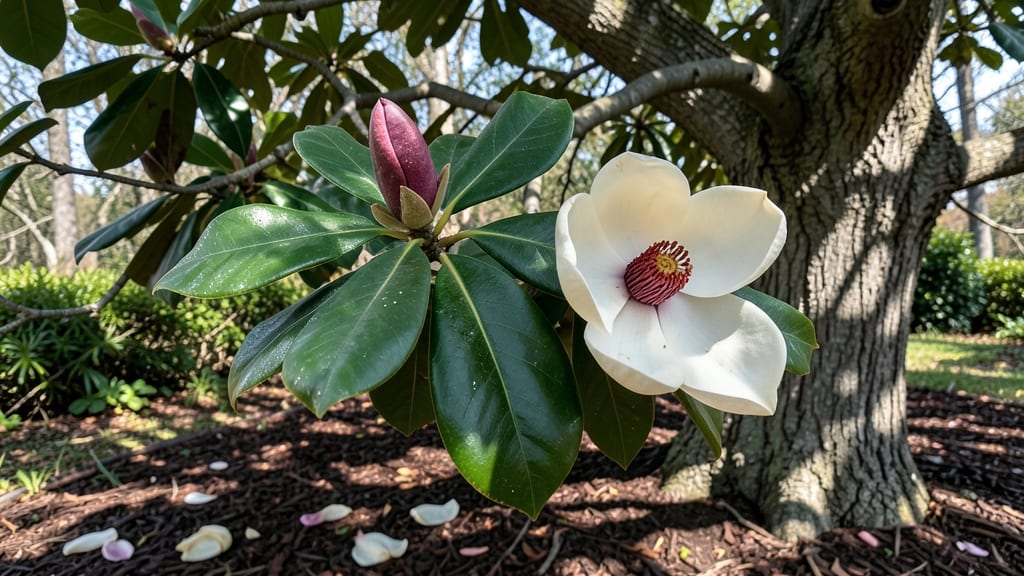
Most magnolias follow a strict seasonal rhythm because their blooming is tied to temperature shifts and daylight hours. 🌸 The spring bloom is their primary focus, using up stored energy from the previous growing season.
Only a handful of varieties—like the early-blooming Star Magnolia—have the genetic flexibility to attempt a second round, but this requires perfect conditions: consistent warmth, adequate moisture, and nutrient-rich soil.
I’ve seen gardeners coax extra blooms by pruning strategically after the first flush and fertilizing with phosphorus-heavy amendments, but even then, results vary wildly by region.
What’s fascinating is how magnolias prioritize survival over showiness.
Their deep roots store energy for years, but pushing for double blooms can weaken the tree over time. 💫 In my experience, the most reliable way to enjoy magnolia blooms year-round is to plant multiple varieties with staggered bloom times—this way, you get a cascading effect without exhausting any single tree.
💡 In This Article
- Why Most Magnolias Bloom Only Once
- How to Encourage Extra Magnolia Blooms
Why most magnolias bloom only once
Magnolia trees evolved to conserve energy through a carefully timed blooming cycle tied to their natural dormancy periods. The spring bloom is their primary reproductive event, fueled by energy reserves built during the previous growing season.
This single annual burst ensures they allocate resources efficiently—bud development, flower production, and seed maturation all compete for the same limited energy pool. 🌿 What's fascinating is how temperature triggers this cycle: most magnolias require chilling hours (typically 400-1,000 hours below 45°F) during winter to break dormancy and initiate spring blooming, followed by 12-16 hours of daylight to complete the process.
The energy cost of double blooming becomes clear when you consider the biological trade-offs. A single spring bloom can consume 30-50% of a tree's annual photosynthetic output
Deciduous magnolias face additional constraints—they must regrow leaves after winter dormancy, which demands significant energy. Evergreen varieties like the Southern Magnolia (Magnolia grandiflora) have an advantage with year-round photosynthesis, but even they rarely produce second blooms because their large, showy flowers require substantial metabolic investment. 🌸 Seasonal cues create another critical limitation. Magnolias rely on photoperiodism (daylight duration) to time their blooming. The dramatic shift from winter dormancy to spring growth is triggered by increasing daylight, but attempting a second bloom in late summer would require the tree to "reset" its internal clock—a process that demands perfect environmental conditions. Most magnolias simply don't have the genetic flexibility to respond to summer's shorter days and fluctuating temperatures, which can disrupt flower bud formation. Here's where the exceptions prove the rule: varieties like the Star Magnolia (Magnolia stellata) can produce secondary blooms because they've adapted to shorter chilling requirements (200-400 hours) and more flexible photoperiod responses. These trees can detect summer's warm spells and respond with smaller, less energy-intensive flowers. However, this comes at a cost—the second blooms are typically 20-30% smaller and less vibrant than their spring counterparts, reflecting the tree's energy conservation strategy. 💫 Soil nutrition plays a surprising role in this biological limitation. Magnolias prioritize root and structural growth during their primary growing season, leaving limited nutrients for flower production. While phosphorus-rich fertilizers can enhance bloom quantity, they won't overcome the fundamental energy constraints. The tree's survival instincts always take precedence over ornamental displays—this is why even well-cared-for magnolias rarely produce reliable second blooms without perfect growing conditions. What most gardeners don't realize is how regional climate patterns affect this cycle. In warmer southern climates, magnolias may attempt secondary blooms more frequently due to extended growing seasons, while northern varieties remain strictly single-bloomers. This geographic variation explains why some gardeners report double blooming while others never see it—it's not just about the tree, but about the perfect intersection of genetics and environment. ✨