Pests and Diseases
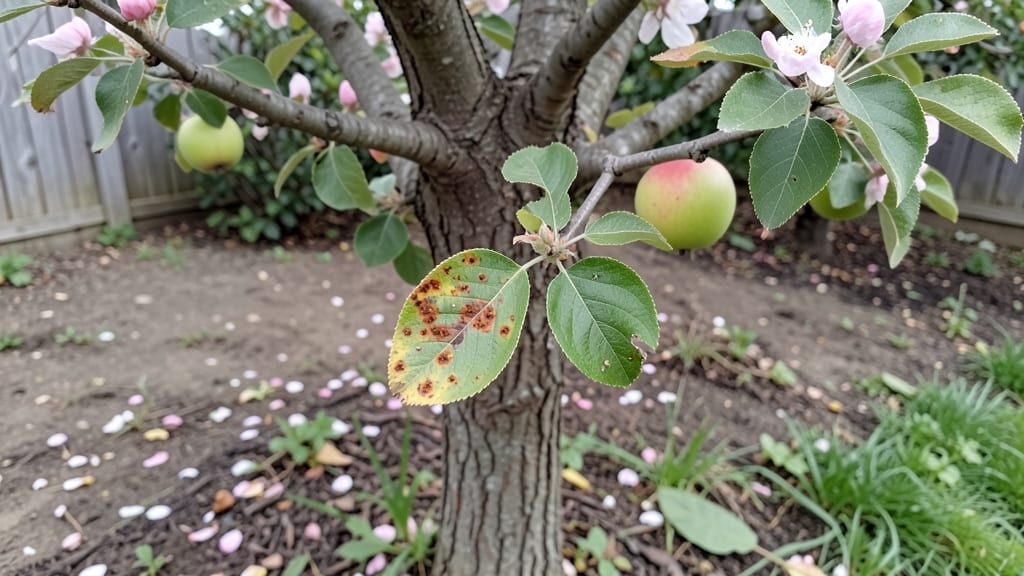
Rust spots on apple tree leaves turn vibrant green foliage into a patchwork of orange-brown splotches that spread like wildfire if ignored. 🌿 I’ve watched my own trees go from healthy to struggling in just a few weeks—until I learned these three simple steps that actually work.
The key isn’t just treating the spots but stopping the fungus before it hibernates in your soil.
This problem starts with a microscopic fungus called Gymnosporangium, which thrives in damp spring conditions. You’ll spot it as velvety orange pustules on leaves (and sometimes fruit), and if you don’t act fast, those spots multiply, weakening the tree.
The good news? You don’t need harsh chemicals—just targeted organic fixes that break the fungus’s life cycle for good.
By pruning infected branches, applying copper fungicide at the right time, and improving airflow around your tree, you’ll see fresh green leaves within weeks. The best part? These steps prevent next year’s outbreak too. No more panicking over crunchy, spotted apples or bare branches by summer.
Whether you’re dealing with a young tree or a mature orchard, the same principles apply. Let’s get your apple tree back to producing those crisp, disease-free fruits you love—starting with this quick cleanup.
Understanding the Root Causes
Rust spots on apple tree leaves aren’t just an eyesore—they’re a clear sign your tree is under siege by fungal pathogens.
These unsightly blemishes, ranging from bright orange to dark brown, don’t just mar your tree’s appearance; they weaken its health, reduce fruit yield, and can even kill the tree if left unchecked. But why does this happen in the first place?
Let’s break down the science behind the problem so you can tackle it like a pro.
The primary culprit behind rust spots on apple tree leaves is a group of fungi belonging to the Gymnosporangium and Puccinia genera. Among the most common offenders are:
- Gymnosporangium juniperi-virginianae (also called cedar-apple rust): This fungus thrives on a two-host cycle—it infects apple trees in the spring and spends the winter on juniper or red cedar trees.
- Puccinia coronata (crown rust): Less common but still problematic, this fungus can cause similar rust-like symptoms and spreads through wind-blown spores.
- Gymnosporangium libocedri: Targets apple trees and other rosaceous plants, often linked to western red cedar as its alternate host.
These fungi release spores that land on apple leaves, where they germinate and penetrate the leaf tissue.
Once inside, they form rust-colored pustules—hence the name—and eventually burst, releasing more spores to repeat the cycle. Wet, humid conditions (60-80% humidity) and temperatures between 50-75°F (10-24°C) create the perfect storm for fungal growth.
Fungal spores are everywhere, but they need the right conditions to take hold. Here’s how weather plays a role:
- Prolonged Rain or High Humidity: Leaves stay wet for long periods, giving spores ample time to germinate. Even morning dew can be enough if it lingers.
- Cool, Damp Springs: Early-season rust outbreaks often spike after a wet spring, when apple trees are flush with new growth—ideal fungal food.
- Poor Air Circulation: Dense foliage or overcrowded trees trap moisture, creating a greenhouse effect that encourages fungal spread.
- Late Summer Heat Waves: While fungi prefer cool weather, sudden heat after a wet period can stress trees, making them more susceptible to infection.
Pro Tip: 🌡️ If your region has a history of rainy springs, monitor your apple tree closely in April and May—this is prime rust season!
A healthy tree can fend off fungal attacks, but stress opens the door for rust to move in. Common stressors include:
- Nutrient Deficiencies: Lack of nitrogen, zinc, or iron weakens leaves, making them easier targets. Yellowing leaves or stunted growth? Your tree might be malnourished.
- Water Stress: Both overwatering (leading to root rot) and underwatering (causing drought stress) compromise the tree’s immune system.
- Physical Damage: Pruning wounds, hail, or pest damage create entry points for spores to invade.
- Improper Pruning: Over-pruning or cutting too late in the season can stress the tree, leaving it vulnerable.
Actionable Fix: Conduct a soil test to check nutrient levels and adjust fertilization accordingly. Mulch around the base of the tree to retain moisture and regulate soil temperature.
Many rust fungi require an alternate host to complete their life cycle. For apple trees, the most common alternate hosts are:
- Juniper or Red Cedar Trees: If these woody shrubs grow nearby, they can harbor the fungus over winter, releasing spores in spring that infect your apple tree.
- Other Rosaceous Plants: Plants like hawthorn, cotoneaster, or even crabapples can also play host to rust fungi.
Even if you don’t see rust on these plants, spores can still be present and ready to jump to your apple tree. Removing or treating alternate hosts within a 1-mile radius can drastically reduce rust outbreaks.
Now that you know why rust spots appear, the next step is to prevent and treat them effectively. But first, let’s address the most critical question: How do you stop this cycle before it spreads?
Fixing Rust Spots Fast
Rust spots on apple tree leaves may look alarming, but with the right approach, you can restore your tree’s health and prevent further damage. Below are targeted solutions for the most common causes—fungal infections, environmental stress, and poor tree care—along with prevention tips to keep your apple tree thriving.
If rust spots are caused by fungal spores (like cedar-apple rust or apple rust), act quickly to stop the spread.
🔪 Step 1: Remove Infected Leaves & Branches
- 🌿 Trim away severely infected leaves, twigs, or branches using sterilized pruners (wipe with rubbing alcohol between cuts).
- 🗑️ Bag and discard infected debris in the trash (do not compost—this spreads spores).
- ✂️ Focus on removing 100% of rust spots—even small patches can reinfect the tree.
💧 Step 2: Apply Fungicide (Organic or Chemical)
| Option | How to Use | Best Time to Apply |
|---|---|---|
| Neem Oil Spray | Mix 1 tbsp neem oil + 1 tsp mild soap per gallon of water. Spray both sides of leaves until damp. | Evening (avoids burning leaves) |
| Baking Soda Spray | Dissolve 1 tbsp baking soda + 1 tsp oil in 1 gallon of water. Spray every 7–10 days. | Early morning (humidity helps adhesion) |
| Copper Fungicide | Follow label instructions (e.g., Bordeaux mixture or copper sulfate). | Spring & fall (preventative) |
| Sulfur-Based Fungicide | Apply as directed (e.g., Liqui-Cop). Avoid if temps exceed 85°F (29°C). | Late afternoon (reduces leaf burn) |
💡 Pro Tip: Rotate treatments every 2–3 weeks to prevent resistance. Always cover the undersides of leaves—that’s where fungal spores love to hide!
🌧️ Step 3: Improve Airflow & Reduce Moisture
- 🌳 Thin out dense branches to allow sunlight and air circulation.
- 💦 Water at the base (avoid overhead sprinkling) to keep leaves dry.
- 🌿 Mulch around the tree (2–3 inches of organic mulch) to regulate soil moisture.
If rust spots appear due to heat stress, nutrient deficiency, or poor soil, focus on revitalizing your tree’s health.
💧 Step 1: Deep Water & Check Soil
- 🌱 Water deeply 1–2 times per week (check soil moisture—top 2 inches should be dry before watering).
- 📊 Test soil pH (ideal: 6.0–7.0 for apple trees). Use lime (to raise pH) or sulfur (to lower pH) if needed.
🍎 Step 2: Fertilize for Strong Growth
- 🌿 Apply balanced fertilizer (e.g., 10-10-10) in early spring and late summer.
- 💪 Boost iron & zinc (common deficiencies cause yellowing + rust-like spots).
Use chelated micronutrients if needed. - 🍄 Avoid over-fertilizing with nitrogen—this encourages soft, fungus-prone growth.
☀️ Step 3: Protect from Extreme Heat
- 🌳 Provide shade cloth (30–50% coverage) if temps exceed 90°F (32°C).
- 💦 Mist leaves lightly in extreme heat (but avoid at night to prevent fungal growth).
Once your tree recovers, prevent future outbreaks with these long-term strategies:
✅ 🌿 Sanitize tools – Wipe pruners with rubbing alcohol before and after use. ✅ 🍂 Clean up fallen leaves – Rake and remove debris twice a year (spring & fall). ✅ 🌳 Plant resistant varieties – Consider ‘Liberty’ or ‘Enterprise’ apple trees (rust-resistant). ✅ 🌱 Monitor nearby junipers/cedars – These host cedar-apple rust spores; remove them if possible. ✅ 📅 Apply fungicide preventatively – Spray dormant oil in late winter and copper fungicide in spring.
Final Reminder: 🌱 Patience is key! Some trees take 1–2 seasons to fully recover. Stick with the plan, and your apple tree will bounce back—stronger and healthier than ever! 🍏✨
Frequently asked questions
Why do rust spots appear in patches rather than all over the leaves?
Rust fungi like Gymnosporangium spread through spores that land on leaves, so infection depends on where spores settle and environmental conditions. Wet, shady areas trap moisture longer, creating ideal spots for fungal growth. You’ll often see heavier patches on lower branches where airflow is poor.
Can I still harvest fruit from an apple tree with rust spots?
Yes, but monitor the fruit closely. Rust primarily affects leaves, not fruit directly—but severe infections can weaken the tree, reducing yield and quality. If spots appear on fruit (usually as small orange pustules), remove those apples immediately. The main risk is fruit quality, not safety.
How often should I spray fungicide to prevent rust?
For prevention, apply fungicide every 2-3 weeks during spring and early summer (when spores are most active). Start treatments in late winter with dormant oil, then follow up with copper or neem oil sprays. Always spray undersides of leaves—this is where spores hide!
Will removing nearby juniper trees stop rust on my apple tree?
It can help significantly! Juniper trees host cedar-apple rust spores over winter. Removing them eliminates the fungus’s alternate host, breaking its life cycle. If removal isn’t possible, treat junipers with fungicide in fall to reduce spore production for next spring.
What’s the fastest way to tell if my tree has rust vs. another disease?
Rust spots have a velvety orange texture (like fine dust) and appear on both leaf surfaces. Check for yellow halos around spots—this is classic rust. Other diseases (like powdery mildew) create white, powdery coatings, while bacterial spots are dark and water-soaked.