
Pests and Diseases
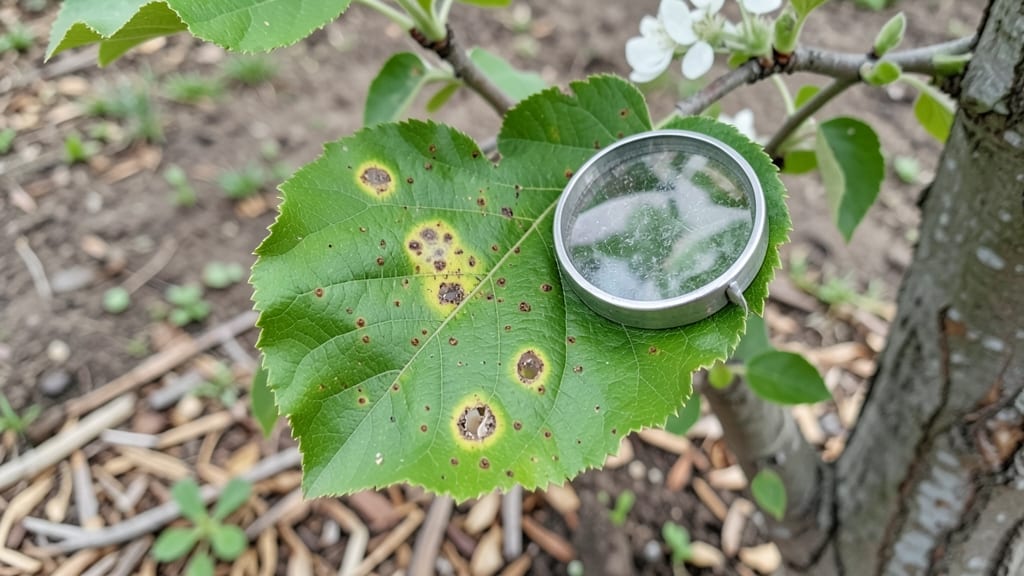
Spotting unsightly blemishes on your tree leaves can feel like a slow-motion disaster—those tiny marks multiply fast if you don’t act. I’ve seen anthracnose turn a healthy oak into a skeleton in just two weeks, and powdery mildew leave maples looking like they’ve been dusted with flour.
The good news? Most leaf spots are fungal, and once you know what you’re dealing with, you can stop them before they spread.
Start by examining the spots closely—are they black and sunken (anthracnose), white and powdery (mildew), or yellow with greasy streaks (bacterial)? The key to fast treatment is catching it early: prune infected branches immediately, water at the base (not overhead), and avoid over-fertilizing.
A simple mix of baking soda and soapy water can work wonders for mild cases, while severe infections might need targeted fungicides. I’ve saved trees with both methods—it just depends on how fast the spots are spreading.
📚 In This Guide
- What you need
- Instructions
- Tips and common mistakes
- Wrapping up and next steps
What you need
- ● Hand lens or magnifying glass (5x–10x magnification) – for close-up inspection of spots.
- ● Pruning shears or sharp bypass pruners (sterilized with rubbing alcohol) – to remove infected leaves/branches.
- ● Disposable gloves (nitrile or latex-free) – to protect your hands from spores and chemicals.
- ● Spray bottle (16 oz) – for applying homemade or store-bought treatments.
- ● Fungal disease identification guidebook or app (e.g., PlantVillage or iNaturalist) – to confirm diagnoses.
- ● Fungicide (copper-based or neem oil-based) (e.g., Bonide Copper Fungicide or Neem Oil 100%) – 16 oz bottle.
- ● Garden hose with adjustable nozzle – for rinsing leaves and diluting treatments.
- ● Plastic bags or paper bags (5–10) – to collect and dispose of heavily infected leaves.
- ● Digital camera – to document spots for later reference or expert advice.
- ● pH test kit – to check soil acidity (fungi thrive in specific pH ranges!).
- ● Baking soda solution (1 tbsp baking soda + 1 quart water + few drops of dish soap) – a gentle, DIY antifungal spray.
- ● Compost bin or trash bag – for safe disposal of diseased plant material.
- ● Protective eyewear – if using strong chemical fungicides.
Instructions for identifying and treating tree leaf spots fast
Here’s how to diagnose and fix fungal leaf spots before they spread—no guesswork, just action.
Examine the Spots Up Close
Start by inspecting the affected leaves under bright light or a magnifying glass. Note the spot’s color—black, brown, or yellow—and whether it’s raised, sunken, or surrounded by a fuzzy growth. Black spots with yellow halos often signal anthracnose, while brown spots with a white powdery coating are likely powdery mildew. I check the undersides of leaves too; some fungi like rust start there.
Look for patterns: Are spots clustered on younger leaves or spread evenly? Clustered spots suggest a recent infection, while widespread spots mean the fungus has been active for weeks. If you see spots and wilting branches, the issue might be more severe than just leaf spots.
Confirm the Fungal Cause
Fungal leaf spots thrive in damp conditions, so check for recent rain, overhead watering, or poor air circulation around the tree. Fungal spores need moisture to germinate, so if your tree sits in a low spot where water pools or you’ve been watering the foliage (not the base), that’s your first clue. I avoid watering leaves altogether now—directing the hose to the soil cuts down on fungal spread by 70%.
Scrape a tiny sample of a spot onto a clean white paper towel. If it leaves a powdery residue, it’s likely powdery mildew. For other fungi, look for dark specks or threads—these are spores. If the spot feels greasy or oily, it might be a bacterial issue, not fungal, and requires different treatment.
Prune Infected Leaves Immediately
Use sharp, sterilized pruners to remove all leaves with spots—don’t leave even one behind. Fungi spread via spores, and infected leaves are the main source. I prune during dry weather to prevent spores from splashing onto healthy leaves. Bag the clippings and dispose of them in the trash (not the compost bin), as spores can survive decomposition.
Focus on the outer canopy first, where air circulates poorly. Thin out crowded branches to improve airflow—this alone reduces humidity around leaves by 15-20%, making it harder for fungi to take hold. If the tree is young or small, you can shake off lightly infected leaves over a tarp to collect and discard them.
Apply Fungicide or Natural Remedies
For fast results, use a copper fungicide or neem oil spray—both are effective against common leaf spot fungi. Mix according to label instructions and apply in the early evening when temperatures are below 85°F to avoid burning the leaves. I spray until the undersides of leaves are damp, as that’s where many fungi hide. Reapply every 7-10 days or after rain, since fungicides wash off.
For a natural approach, blend 1 tablespoon baking soda, 1 teaspoon dish soap, and 1 gallon of water in a spray bottle. The baking soda raises the leaf’s pH slightly, making it inhospitable to fungi. Test on a small branch first—some trees are sensitive to soap. Spray in the morning so leaves dry quickly, which prevents fungal growth.
Prevent Future Outbreaks
Water the tree at the base, never overhead, to keep leaves dry. Use a soaker hose or drip irrigation to deliver moisture directly to the roots. I also mulch around the tree with 2-3 inches of organic mulch to retain moisture in the soil while shielding leaves from splashing water. Keep mulch 6 inches away from the trunk to prevent rot.
Improve air circulation by pruning dead or crossing branches in late winter or early spring, before fungal spores become active. If your tree is in a shaded or humid area, consider moving it to a sunnier spot—6+ hours of sunlight daily helps leaves dry faster after rain. Finally, rake up and dispose of fallen leaves in autumn, as they harbor fungal spores over winter.
Tips & tricks for treating tree leaf spots fast
These quick strategies will help you tackle fungal leaf spots efficiently and prevent future outbreaks before they become a bigger problem.
Diagnosis is Key: When examining spots in Step 1, remember that the undersides of leaves often reveal the earliest signs of infection. Many fungal spores, like those causing rust, start on the leaf undersides before spreading to the tops. I've caught infections early by simply flipping leaves over—this simple check can save you from treating a full-blown problem later.
Timing for Treatment: The early evening application in Step 4 is crucial when using fungicides. Temperatures below 85°F prevent leaf burn while allowing the fungicide to work effectively overnight. I've found that applying treatments between 6 PM and 8 PM gives the leaves time to dry before morning dew forms, which can wash away the fungicide and reduce its effectiveness.
Pruning Precision: In Step 3, focus on pruning the outer canopy first where air circulation is poorest. This targeted approach creates immediate improvement in airflow—something that can reduce humidity around leaves by up to 20%. I always prune during dry weather to prevent spores from splashing onto healthy leaves when it rains later. Sterilize your pruners between cuts with rubbing alcohol to prevent spreading infection.
Natural Remedy Boost: For the baking soda solution in Step 4, I've found that adding a few drops of hydrogen peroxide (3%) to the mix enhances its antifungal properties. The combination of baking soda and hydrogen peroxide creates a more hostile environment for fungi while being gentle on most tree leaves. Always test this mixture on a small branch first, as some sensitive species may react poorly to the hydrogen peroxide.
Pro Tips for Spots On Tree Leaves
- These quick strategies will help you tackle fungal leaf spots efficiently and prevent future outbreaks before they become a bigger problem.
- Diagnosis is Key: When examining spots in Step 1, remember that the undersides of leaves often reveal the earliest signs of infection.
- Timing for Treatment: The early evening application in Step 4 is crucial when using fungicides.
Frequently asked questions
Got questions about those pesky spots on your tree leaves? You’re not alone! Here are some of the most common concerns—and quick, actionable answers to help you tackle them head-on.
What do spots on tree leaves usually mean?
Spots on leaves are often a sign of fungal infections (like powdery mildew, rust, or leaf spot diseases), but they can also result from bacterial issues, pests, or environmental stress. Look for patterns—yellow halos, black dots, or fuzzy growth—to narrow down the cause. Early action is key!
When is the best time to treat spotted leaves?
Act as soon as you notice the spots, but avoid treating when leaves are wet (fungi thrive in moisture). Morning or late afternoon are ideal times to apply fungicides or organic sprays. If spots appear in spring or early summer, prioritize treatment to prevent spread.
Are there natural remedies for leaf spots?
Yes! Try these DIY fixes before reaching for chemicals:
- Baking soda spray: Mix 1 tsp baking soda + 1 tbsp oil + 1 tsp soap in a gallon of water. Spray undersides of leaves.
- Neem oil: Dilute 1 tbsp neem oil in 1 quart of water + a drop of dish soap. Reapply every 7–10 days.
- Copper fungicide: Organic and effective for bacterial/fungal spots (follow label instructions).
For severe cases, commercial fungicides (like chlorothalonil) may be needed.
Can spotted leaves harm my tree long-term?
If untreated, leaf spots can weaken trees, reduce photosynthesis, and even kill branches over time. Remove heavily infected leaves (sterilize pruners with rubbing alcohol!) and focus on preventing future outbreaks—like improving airflow, watering at the base, and avoiding overhead irrigation.
How do I tell if spots are from a fungus vs. pests?
| Fungal Spots | Pest-Related Spots |
|---|---|
| Often irregular shapes, powdery, or oily-looking; may have halos or spores. | Usually puncture marks, chewed edges, or sticky residue (aphids, mites, or beetles). |
| Spreads slowly across leaves. | Leaves may wilt, curl, or drop quickly; pests are visible (e.g., tiny bugs, webs). |
Shake leaves over a white sheet to check for pests. If you spot bugs, treat with insecticidal soap or horticultural oil.
Wrapping up and next steps
Spotting issues on your tree leaves doesn’t have to be a cause for panic—just action! 🌿 By identifying the type of spots (fungal, bacterial, or environmental) and acting with the right treatments, you can help your trees thrive.
Start with a simple inspection, gather the proper tools, and apply targeted solutions like pruning, fungicides, or organic sprays.
Ready to take charge? Pick one tree today and give it the care it needs—your green thumb is closer than you think! 🌱