Diseases
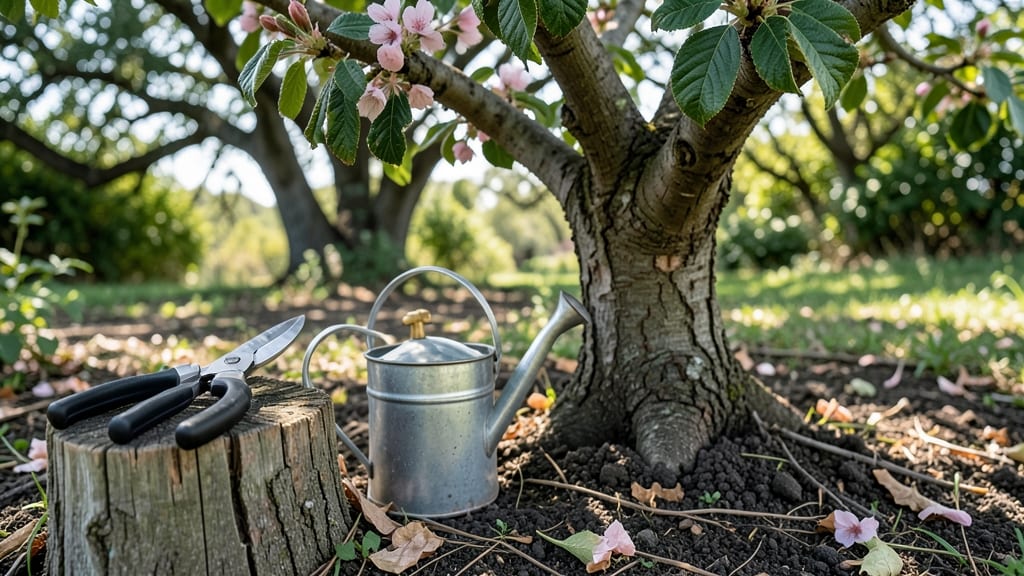
One of the most devastating peach tree diseases, leaf curl, can turn your spring blossoms into twisted, puckered messes before they even bloom—this fungal infection is sneaky, but catching it early keeps your tree thriving. 🌱 I’ve watched entire orchards suffer from the stunted growth and reduced fruit sets it causes, and I’ll show you how to spot the first signs before it spreads.
The culprit is Taphrina deformans, a fungus that thrives in wet springs and overwinters on infected branches. You’ll see curled, thickened leaves in early spring, followed by distorted buds that never open properly.
The good news? Pruning out infected branches in late winter (before buds swell) cuts off the fungus’s food source—and applying copper fungicide at the right time stops it in its tracks.
With consistent monitoring and a few targeted treatments, your tree can bounce back to vibrant green foliage and full fruit production. The key is acting fast—once the fungus gets a foothold, it’s harder to reverse.
I’ll walk you through the exact steps to keep your peach tree healthy and productive year after year.
This works for home orchards, backyard trees, and even container-grown peaches—just adjust timing based on your climate. Let’s get your tree back on track before next spring’s buds even think about curling.
Root Causes Of Leaf Curl
Peach tree leaf curl isn’t just a random nuisance—it’s a disease with clear scientific triggers. Understanding these causes is the first step to preventing or managing the problem effectively. Let’s break down the key factors behind this frustrating condition.
The primary culprit behind peach tree leaf curl is the fungus Taphrina deformans. This microscopic invader thrives in moist, cool conditions and infects peach trees during late winter or early spring, just as buds begin to swell.
The fungus disrupts normal cell division in the leaves, causing them to thicken, pucker, and curl into unrecognizable shapes.
Why it happens:
- Dormant season infection: The fungus overwinters on infected leaves, buds, or bark. When temperatures rise above 50°F (10°C) and moisture is present (like rain or dew), spores germinate and infect new growth.
- Weakened tree defenses: Trees stressed by poor nutrition, drought, or winter injury are more susceptible to fungal attacks.
- Close proximity to infected trees: The fungus spreads easily via wind or splashing water, so nearby infected peach or plum trees increase risk.
Leaf curl doesn’t just appear out of nowhere—it’s often a product of unfavorable weather patterns. The fungus loves specific conditions that trigger outbreaks:
| Factor | How It Helps the Fungus | Actionable Tip |
|---|---|---|
| Cool, wet springs | Spores germinate best at 45–65°F (7–18°C) with high humidity. | Monitor weather forecasts and treat preventatively if rain is forecasted. |
| Slow bud break | Delays in bud opening (due to late frosts or cold snaps) can extend the infection window. | Prune in late winter to encourage early, uniform bud break. |
| Poor air circulation | Dense foliage or overcrowded orchards trap moisture, keeping spores active longer. | Thin trees and space them properly to improve airflow. |
Pro Tip: 💡 If your region has a history of wet springs, consider applying a copper fungicide (like copper hydroxide) as a preventive spray in late winter.
A healthy peach tree is far less likely to succumb to leaf curl. When trees are weakened, their natural defenses drop, making them prime targets for fungal invasion.
Common stressors that increase risk:
- Nutrient deficiencies: Lack of zinc, nitrogen, or potassium weakens cell walls, making them easier for fungi to penetrate.
- Water stress: Both drought and overwatering disrupt root function, reducing the tree’s ability to fight infections.
- Physical damage: Pruning wounds, hail, or pest damage (like borers) create entry points for pathogens.
- Improper planting: Trees planted too deep, in poor soil, or without proper drainage struggle to thrive.
Solution: 🌱 Conduct a soil test annually and amend with compost or organic matter to boost tree vitality. Avoid heavy pruning in late summer or fall, as it stresses the tree before winter.
Fungal spores can hitchhike on pruning tools, clothing, or even wildlife, spreading leaf curl from one tree to another. If you’ve worked on an infected peach tree and then move to a healthy one, you might unknowingly transfer the disease.
How it spreads:
- Pruning tools: Fungal spores cling to blades and enter fresh cuts.
- Infected leaves/debris: Fallen leaves or pruned branches left on the ground can release spores when wet.
- Wildlife: Birds or insects may carry spores between trees.
Prevention steps: ✅ Sanitize tools between trees with 70% rubbing alcohol or bleach solution (1 part bleach to 9 parts water). ✅ Remove and destroy infected leaves and twigs (do not compost them). ✅ Quarantine new trees for signs of curl before planting near existing orchards.
Fixing Peach Tree Leaf Curl Naturally
Leaf curl might sound like a death sentence for your peach tree, but with the right approach, you can nurse it back to health—or even prevent it from taking hold in the first place.
Below, we’ve mapped out practical, step-by-step solutions tailored to the most common causes of leaf curl, plus prevention tips to keep your tree thriving. Let’s roll up our sleeves and get to work! 🌱🔧
Fungal pathogens like Taphrina deformans (the classic peach leaf curl fungus) thrive in damp, cool conditions. Here’s how to kick it to the curb:
🍳 Spray Fungicides at the Right Time
- When? Apply dormant-season fungicides (like copper-based or lime sulfur sprays) before buds swell in early spring (late winter to early spring, ideally 2–4 weeks before bloom).
- How? Use a hose-end sprayer for even coverage.
Focus on undersides of leaves, branches, and trunk cracks—fungi love hiding there! - Pro Tip: 💡 Mix 1 tablespoon of baking soda + 1 teaspoon of vegetable oil + 1 gallon of water as a low-toxicity alternative for mild cases. Spray every 7–10 days during wet seasons.
👨🍳 Prune and Clean Up
- Remove infected leaves (burn or trash them—do not compost!) to stop spores from spreading.
- Thin out crowded branches to improve airflow and reduce humidity (fungi’s favorite breeding ground).
- Sterilize pruners with rubbing alcohol or a 10% bleach solution between cuts.
🌡️ Adjust Watering Habits
- Water deeply but infrequently—peach trees hate soggy roots. Aim for 1–1.5 inches of water per week (including rainfall).
- Water in the morning so leaves dry quickly, making it harder for fungi to latch on.
Cold snaps, nutrient deficiencies, or herbicide drift can mimic leaf curl. Here’s how to restore balance:
📊 Boost Soil Health with Fertilizer
- Test your soil (kits are cheap and available at garden centers) to check for low nitrogen, phosphorus, or zinc.
- Apply a balanced fertilizer (like 10-10-10) in early spring and a zinc sulfate supplement if deficiency is suspected.
- Mulch properly: Use 2–3 inches of organic mulch (wood chips, straw) to retain moisture and regulate soil temp.
🌡️ Protect from Extreme Temperatures
- Cover young trees with frost cloth during late-winter cold snaps (leaf curl loves sudden temp swings!).
- Avoid late-season fertilizing—it encourages tender new growth that’s vulnerable to frost damage.
✨ Shield from Herbicide Drift
- If your tree is near a lawn or farm, ask neighbors to avoid glyphosate-based herbicides near bloom time.
- Use a physical barrier (like cardboard) around the base if herbicide use is unavoidable.
An ounce of prevention is worth a pound of cure! Follow these long-term strategies to minimize risks:
- 🌟 Plant Resistant Varieties: Some peach cultivars (like ‘Redhaven’ or ‘Elberta’) are less susceptible to leaf curl.
Check with local nurseries! - 🌿 Choose the Right Location: Plant in full sun (6+ hours/day) with good drainage—avoid low spots where water pools. - 🔄 Rotate Fungicides: If you spray annually, switch fungicide types every few years to prevent resistance. - 🐞 Encourage Beneficial Insects: Ladybugs and lacewings naturally control pests that stress trees.
Plant marigolds or dill nearby to attract them! - 📅 Prune in Late Winter: Remove dead/diseased wood before buds break to reduce fungal overwintering sites.
Final Thought: 🌳 Leaf curl might be a nuisance, but with consistent care and early action, your peach tree can bounce back stronger than ever. Start with one or two fixes this season, and watch your tree reward you with juicy, disease-free peaches come summer!
Frequently asked questions about peach tree leaf curl
What do peach tree leaves look like when infected with leaf curl?
Infected leaves appear thickened, puckered, and curled like tiny green scrolls, often with a reddish tint. They may also develop a waxy texture and fail to unfurl properly, even after new growth begins. Check both new spring leaves and buds—this is when symptoms first appear.
Can peach tree leaf curl spread to other fruit trees?
Yes, the same fungus (Taphrina deformans) can infect related stone fruits like plums and nectarines. While it rarely jumps to apples or citrus, nearby susceptible trees in your orchard are at risk. Isolate infected trees and sterilize tools to prevent cross-contamination.
How soon after treatment will my peach tree show improvement?
With proper fungicide application (like copper spray) in late winter, you should see new growth emerging uncurled within 2-4 weeks of bud break. For severe cases, improvement may take 2 growing seasons
Is it safe to eat peaches from a tree with leaf curl?
The disease primarily affects leaves and buds, not fruit quality. While infected trees may produce smaller yields, the peaches themselves remain safe to eat. Focus on treating the tree to restore vigor and fruit production for next season.
What's the best time of year to prune infected branches?
Prune during late winter (dormant season), before buds swell but after the worst cold snaps. This removes overwintering spores while minimizing stress to the tree. Avoid pruning in wet conditions—fungal spores spread easily when branches are damp.