Light Requirements
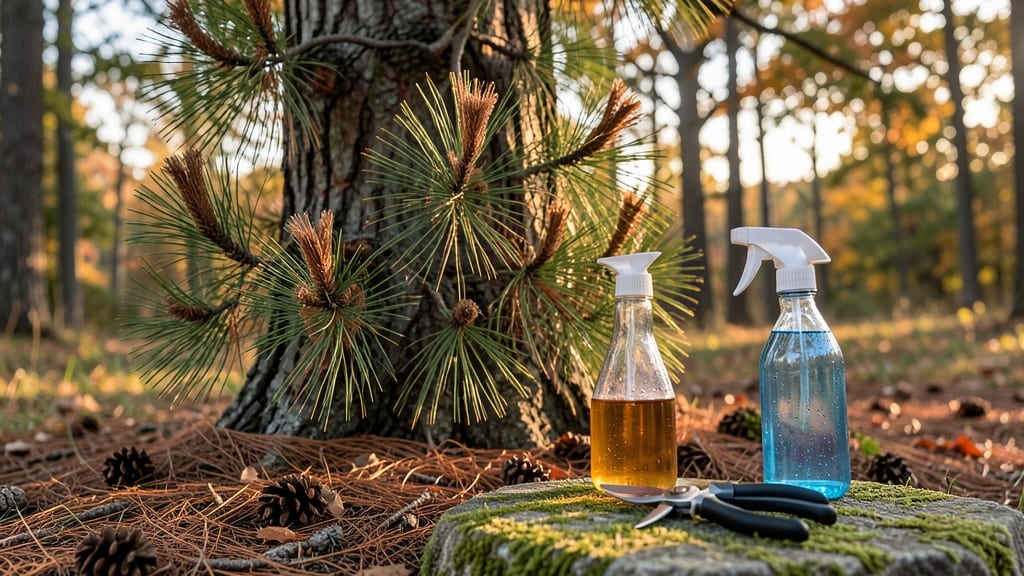
Your pine tree’s healthy canopy starts with spotting blight early—before the needles turn brown and the branches sag. 🌲 I’ve watched this disease creep into my own pines, and the difference between a struggling tree and a thriving one comes down to three things: knowing what to look for, acting fast, and keeping conditions right for growth.
The culprits are usually fungal spores like Leptostroma or environmental stress from poor airflow, overwatering, or compacted soil. You’ll see yellowing needles first, then black streaks along the branches, and eventually whole sections of the tree dying back.
The good news? Catching it early means you can still save your tree with simple fixes—pruning infected branches, improving airflow, and adjusting watering habits.
By the time you finish this guide, you’ll know exactly how to inspect your pines, what tools to use for cleanup, and which organic treatments work best. Your tree won’t just survive—it’ll bounce back with vibrant green needles and stronger growth than ever. Let’s get started before the problem spreads.
This works for all pine varieties, from towering pines to dwarf cultivars, and adapts to different climates. Whether you’re dealing with a single tree or a whole grove, the same principles apply—just scaled to your needs. Here’s how to keep your pines thriving year after year.
Understanding the Root Causes
Pine tree blight—whether caused by fungal infections, environmental stress, or pests—rarely strikes out of nowhere. Instead, it thrives when specific conditions align, creating the perfect storm for decline. Let’s break down the key factors that turn a thriving pine into a struggling one.
Pine trees are vulnerable to several pathogens, with fungal blights being the most common culprits.
These microscopic invaders exploit weak spots in the tree’s defenses, often entering through: - Wounds (e.g., from pruning, storms, or pest damage). - Needle clusters (where moisture lingers, creating ideal fungal growth conditions). - Root systems (if soil-borne pathogens like Fusarium or Phytophthora are present).
How it happens:
- Spores land on needles, bark, or soil near the tree.
- Moisture triggers germination—fungi need humidity (especially >75% for 24+ hours) to spread.
- Infection spreads via wind, water, or insects, clogging vascular tissue and disrupting nutrient flow.
💡 Pro Tip: Early signs include yellowing needles that turn brown and brittle, often starting at the tips. If you see tar-like resin oozing from cracks, it’s a red flag for fungal activity.
Pines are hardy, but extreme or inconsistent conditions weaken their resilience, making them susceptible to blight. Key stressors include:
| Factor | How It Weakens Pines | Actionable Fixes |
|---|---|---|
| Drought | Stunted growth, reduced photosynthesis → trees can’t fight off pathogens. | Deep watering (1–2 inches/week) + mulch to retain moisture. |
| Poor Soil Drainage | Waterlogged roots suffocate roots, inviting Phytophthora (a deadly water mold). | Amend soil with compost/sand; avoid compacted areas. |
| Temperature Swings | Rapid shifts (e.g., late frosts after bud break) damage new growth, inviting infections. | Plant cold-hardy species; protect young trees with frost cloth. |
| High Humidity | Prolongs fungal spore viability, accelerating blight spread. | Prune for airflow; avoid overhead watering. |
🌡️ Watch For: Needles that yellow uniformly (drought) vs. brown patches (fungal stress). If the ground stays soggy for weeks, act fast—root rot is often fatal.
Pests don’t just feed on pines—they open doors for blight.
Common offenders include: - Bark beetles (e.g., Ips species): Bore into phloem, disrupting nutrient transport and creating entry points for fungi like Ophiostoma. - Sawflies/looper caterpillars: Defoliate trees, reducing energy reserves needed to fight infections. - Scale insects: Excrete honeydew, fostering sooty mold (a secondary fungal growth).
The domino effect:
- Pests damage bark/needles.
- Resin production (the tree’s natural defense) becomes overwhelmed.
- Fungi/bacteria move in, exploiting the weakened tissue.
✨ Prevention Hack: Monitor for frass (sawdust-like pest droppings) or sap oozing from bark. Early pesticide treatments (neem oil or horticultural oil) can curb outbreaks before blight sets in.
Even well-meaning care can backfire.
Common mistakes that invite blight: - Over-pruning: Removing >25% of foliage in one season stresses the tree, reducing its disease-fighting capacity. - Improper tools: Contaminated pruners can spread pathogens between trees (sterilize with 70% alcohol!). - Over-fertilizing: Excess nitrogen promotes soft, susceptible growth—think of it as feeding a pathogen buffet. - Planting too closely: Crowded pines compete for sunlight and airflow, trapping moisture and spores.
🔥 Key Rule: Less is more—prune only to remove dead/diseased branches, and space pines 15–20 feet apart for airflow.
Storms, hail, or heavy snow can physically wound pines, creating perfect entry points for blight. For example:
- Hail damage tears needles/bark, exposing inner tissue.
- Windthrow (trees uprooted) leaves roots vulnerable to soil-borne pathogens.
- Flooding washes away protective bark layers, inviting Ceratocystis (a vascular wilt fungus).
🚨 After-Storm Check: Inspect for peeling bark, resin bleed, or unusual wilting. Remove damaged branches immediately to prevent spread.
Revitalizing Your Pine Trees
Pine tree blight—whether caused by fungal infections, environmental stress, or pests—can turn a thriving canopy into a sad, brown mess. But don’t lose hope! With the right approach, you can nurse your pines back to health and even prevent future outbreaks.
Below, we’ve mapped out practical, step-by-step solutions tailored to the most common causes of pine tree decline.
Fungal spores thrive in damp, shaded conditions, turning needles brown and brittle. Act fast to stop the spread!
🔥 Step 1: Prune Infected Branches
- 🍳 Remove the Problem: Use sterilized pruning shears (wipe with rubbing alcohol between cuts) to trim and dispose of (not compost!) heavily infected branches.
Cut 6 inches below the visible damage to ensure spores don’t linger. - 👨🍳 Thin the Canopy: Open up the tree’s interior by removing crossing or dense branches to improve airflow and sunlight penetration—fungi hate dry, sunny conditions.
🥘 Step 2: Apply Fungicidal Treatments
- 🔪 Chemical Control: For severe cases, use a copper-based fungicide (like Bordeaux mixture) or a systemic fungicide (e.g., propiconazole).
Follow label instructions carefully—overuse can harm beneficial microbes. - 🌿 Natural Alternatives: Mix 1 tsp baking soda + 1 tbsp horticultural oil + 1 quart water in a spray bottle. Apply every 7–10 days during wet seasons.
⏰ Step 3: Adjust Care for Recovery
- 💡 Water Wisely: Avoid overhead watering (it spreads spores). Use drip irrigation or soaker hoses at the base.
- 🌡️ Boost Soil Health: Add compost or mycorrhizal fungi to strengthen roots. Fungal infections weaken trees—healthy soil helps them fight back.
Pines wilt when they’re thirsty, overheated, or stuck in compacted soil. Here’s how to revive them:
💧 Step 1: Deep Watering Routine
- 📊 Check Moisture: Stick your finger 4–6 inches into the soil.
If it’s dry, water deeply 1–2 times per week (not daily shallow watering). - 🔥 Mulch Like a Pro: Spread 3–4 inches of organic mulch (pine straw, wood chips) around the base (but keep it 6 inches away from the trunk to prevent rot).
🌿 Step 2: Improve Drainage & Soil
- ✨ Aerate Compacted Soil: Use a manual aerator or dig 1-inch holes around the root zone to help water and oxygen reach roots.
- 🎯 Feed the Roots: Apply a slow-release, balanced fertilizer (10-10-10 or 20-20-20) in early spring to replenish nutrients.
🍃 Step 3: Shield from Harsh Conditions
- 🌡️ Provide Shade Cloth: If your area has intense afternoon sun, drape 30% shade cloth over young pines for a few weeks to reduce stress.
- 💡 Avoid Over-Trimming: Pines rely on needles for photosynthesis—never remove more than 25% of the canopy at once.
Pests weaken pines by feeding on sap, needles, or bark. Early intervention is key!
🔪 Step 1: Identify & Trap Pests
- 🕷️ For Bark Beetles: Set up pheromone traps (available at garden centers) in spring/summer when they’re most active.
- 🍳 For Sawflies: Handpick larvae (they look like fuzzy caterpillars) and drop them in soapy water.
🥘 Step 2: Use Targeted Sprays
- 💡 Neem Oil Spray: Mix 1 tbsp neem oil + 1 tsp dish soap + 1 quart water. Spray every 5–7 days to suffocate mites and larvae.
- 🔥 Insecticidal Soap: Effective against spider mites and aphids. Reapply after rain.
⏰ Step 3: Strengthen Tree Defenses
- 🌿 Encourage Beneficial Insects: Plant lavender, marigolds, or yarrow nearby to attract ladybugs and parasitic wasps, which prey on pine pests.
- 💧 Keep Trees Hydrated: Stressed trees attract more pests—consistent watering keeps them resilient.
Once you’ve treated your pines, proactive care is the best defense against future blight.
- 🌡️ Choose Resistant Varieties: If your area is prone to blight, opt for disease-resistant pines like Pinus strobus (White Pine) or Pinus sylvestris (Scots Pine). - 💡 Space Trees Properly: Plant pines 15–20 feet apart to prevent overcrowding and improve airflow. - 🍃 Monitor Year-Round: Inspect trees monthly for early signs of browning, wilting, or pest activity. - 🌿 Maintain Soil pH: Pines prefer slightly acidic soil (pH 5.0–6.5).
Test your soil and amend with sulfur or peat moss if needed.
Pro Tip: 💡 If your pine is beyond saving (e.g., 50%+ needle loss, extensive bark damage), consider removing it to prevent the blight from spreading to nearby trees. Always sterilize tools before and after pruning to avoid cross-contamination!
Frequently asked questions
What are the first signs of pine tree blight I should look for?
Watch for yellowing needles that turn brown and brittle, often starting at the tips. You may also spot black streaks along branches or tar-like resin oozing from cracks in the bark. These are classic early warnings that fungal spores are taking hold.
Can I save my pine tree if it already has brown needles?
Yes, but act fast! Prune infected branches 6 inches below the damage and improve airflow by thinning the canopy. Apply a copper fungicide or baking soda spray to stop spread. If less than 25% of needles are affected, recovery is possible with proper care.
How do I know if my pine tree is dying from blight or just drought stress?
Drought causes uniform yellowing across needles, while blight shows patchy browning with black streaks. Check soil moisture—if it's dry 4-6 inches deep, water deeply 1-2 times/week. Blighted trees also ooze resin and have wilting branches even when hydrated.
Are there organic treatments that actually work for pine blight?
Mix 1 tsp baking soda + 1 tbsp horticultural oil + 1 quart water in a spray bottle and apply every 7-10 days during wet seasons. For pests, use neem oil spray (1 tbsp oil + 1 tsp soap per quart of water) to suffocate mites and larvae.
Should I remove my infected pine tree completely?
Only if 50%+ of needles are lost or bark shows extensive damage. Remove the tree to prevent spread, but sterilize tools with 70% alcohol first. For less severe cases, aggressive pruning and fungicide treatments can save the tree.