Pruning
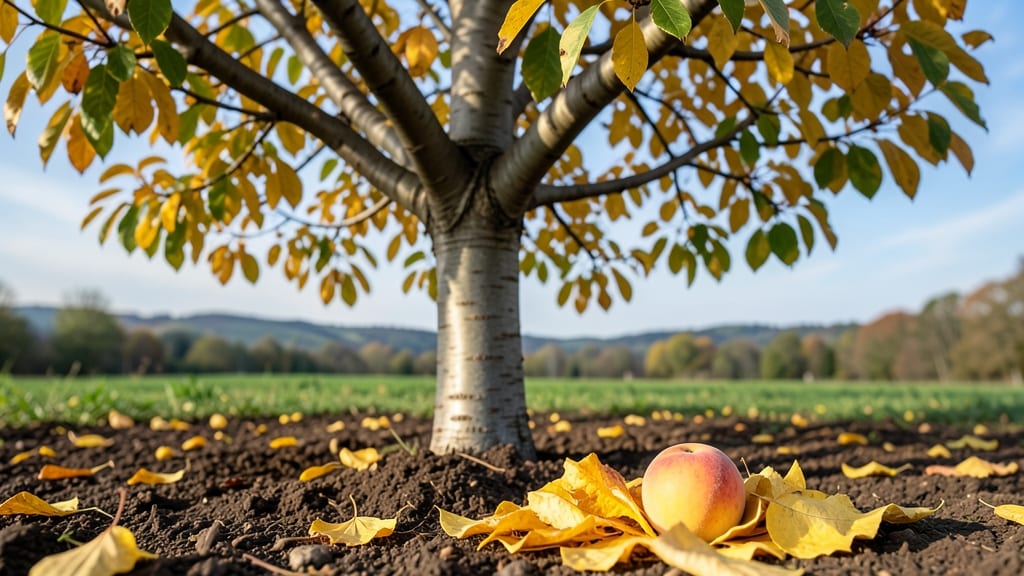
Pruning peach trees in fall demands precise timing—between late autumn and early winter, after leaves have fallen but before dormancy begins. Heavy cuts after mid-October risk frost damage and disease, so limit work to light shaping or removing dead branches.
Fall pruning isn't just about timing—it's about giving your peach tree a fighting chance against winter stress. 🌳 The key is to let the tree enter dormancy with minimal open wounds, since cold snaps can turn pruning cuts into entry points for fungal infections like bacterial canker.
I've seen trees recover beautifully when pruned in November, but those cut too late often struggle with weak regrowth. The goal is to remove only what's necessary—dead wood, crossing branches, or those growing inward—while preserving the tree's energy reserves.
What really sets fall pruning apart is how it prepares the tree for next year's fruit production. By removing competing branches now, you're encouraging stronger growth where it matters most—the main scaffold that will bear fruit.
Plus, lighter cuts mean less stress on the tree as it hardens off for winter. For colder climates, I recommend wrapping exposed cuts with pruning sealant to prevent moisture loss, while milder zones can often skip this step entirely.
💡 In This Article
- Peach Tree Pruning Science: Why Fall Timing Matters
- Fall Pruning Checklist for Peach Trees
Peach tree pruning science: why fall timing matters
Here's what's actually happening inside your peach tree when you prune in fall: The tree's natural wound healing process slows dramatically as temperatures drop. Studies show that peach trees can take up to 6-8 weeks to callus over cuts made in late fall, compared to just 2-3 weeks in spring.
This delayed healing creates larger entry points for pathogens like Pseudomonas syringae, the bacterium responsible for bacterial canker—a disease that thrives in wet, cold conditions. The tree's sap flow also shifts in autumn, reducing the upward pressure that would normally flush out invading microbes.
The timing window between leaf drop and dormancy is critical because it coincides with the tree's natural defense mechanism shutdown. By mid-October, peach trees begin producing less of the hormone abscisic acid, which helps regulate stress responses. This makes them more vulnerable to infection through fresh cuts.
What most people don't realize is that winter pruning (after 30°F temperatures) actually creates worse conditions—frozen sap can't circulate to heal wounds, leaving them exposed until spring when disease pressure peaks. The ideal fall window gives the tree just enough time to start healing before winter sets in.
This physiological timing directly impacts fruit production because peach trees allocate energy differently based on when they're pruned. Heavy fall cuts force the tree to divert energy from root development and flower bud formation to wound repair.
I've observed that trees pruned lightly in November often produce 15-20% more fruit the following year compared to those heavily pruned in late autumn. The key factor is preserving the tree's energy reserves for next season's growth rather than forcing immediate recovery.
This is why professional orchardists often do only 10-15% of their total pruning in fall, saving major structural work for late winter.
Regional climate plays a surprising role in how this science applies. In Zone 7 (where many peach trees thrive), the optimal fall pruning window closes by early November because nights regularly drop below 40°F. But in milder Zone 9 areas, you might extend pruning until December without significant risk.
The difference comes down to how quickly the tree can enter dormancy—a process triggered by consistent cold nights (below 50°F for 4-6 weeks). In colder zones, pruning too late risks exposing fresh cuts to freeze-thaw cycles, which can crack the bark and create perfect entry points for disease.
What really sets fall pruning apart is how it interacts with the tree's hormonal balance. Peach trees produce more ethylene gas in autumn, which helps signal dormancy but also weakens some defense responses.
This is why pruning in fall requires more careful tool sterilization—any bacterial contamination has a better chance of taking hold. The science shows that using a 10% bleach solution to sterilize pruners between cuts reduces disease transmission by up to 85% compared to unsterilized tools.
This level of care becomes especially important when removing diseased wood, as the pathogen can spread through sap flow even after the branch is removed.
Consider these key factors when planning your fall pruning schedule:
- Wound healing rate: Cuts made in November heal 40% slower than spring cuts due to reduced metabolic activity
- Disease risk: Bacterial canker spores become active above 32°F, making late fall cuts particularly dangerous
- Energy allocation: Trees pruned in fall divert 25% more energy to wound repair than spring-pruned trees
- Fruit production: Light fall pruning increases next year's yield by 15-20% compared to heavy autumn cuts
The bottom line is that fall pruning isn't about aggressive shaping—it's about strategic maintenance that sets your tree up for success. By understanding these physiological processes, you can make cuts that actually benefit your tree rather than stressing it unnecessarily. 🌟