Shrubs
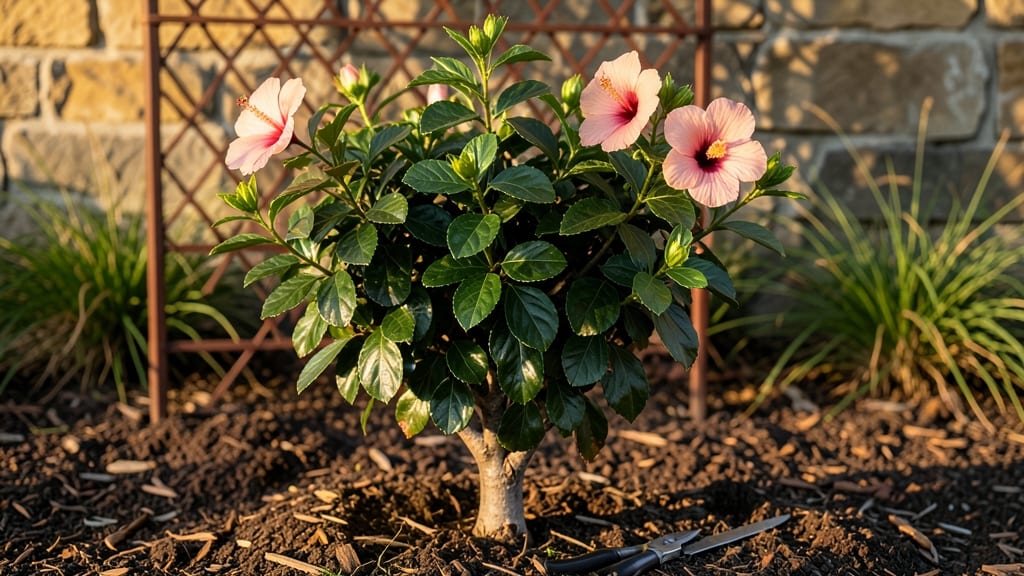
Growing a peach hibiscus tree transforms your yard into a fragrant, flowering privacy screen that thrives year-round. 🌿 I learned the hard way that these tropical beauties need just the right balance of sun, soil, and care to reward you with those stunning blooms and glossy leaves.
The secret isn't complicated—it's about mimicking their natural tropical environment while adapting to your climate.
Peach hibiscus trees love full sun (at least 6 hours daily) and well-draining soil that stays slightly moist but never soggy. In colder zones, they'll need winter protection, but with the right spot and a little extra attention, they'll bounce back stronger each spring.
The blooms aren't just pretty—they're fragrant, too, filling your yard with a sweet, tropical scent that neighbors will notice.
Pruning keeps them lush and encourages more flowers, while regular feeding (every 4-6 weeks in growing season) ensures vibrant growth. Even in small spaces, this tree delivers privacy and beauty without taking over.
The first year is about getting them established, but once they're happy, they'll reward you with continuous blooms from spring through fall.
Whether you're planting from a container or bare root, the key is patience—these trees grow 2-3 feet per year and take a couple of seasons to really show off.
But trust me, the wait is worth it for that peach-hued burst of color that makes every walk through your yard feel like a mini vacation. Let's get yours growing!
📚 In This Guide
- What you need
- Instructions
- Tips and common mistakes
- Wrapping up and next steps
What you need
- ● Peach hibiscus tree: 1 healthy sapling (2-3 feet tall, Hibiscus rosa-sinensis 'Peach' cultivar)
- ● OR seeds (if starting from scratch—germination can take 2-4 weeks!)
- ● Planting site: Full sun location (6+ hours of direct sunlight daily)
- ● Well-draining soil (pH 6.0–7.0; amend with compost if needed)
- ● Tools: 1 trowel or shovel
- ● 1 garden fork (for loosening soil)
- ● 1 watering can or hose with a gentle spray nozzle
- ● 1 pair of pruning shears (sterilized with rubbing alcohol)
- ● 1 pair of gardening gloves
- ● Fertilizer: Balanced, slow-release fertilizer (10-10-10 or 20-20-20, 1 lb per 100 sq ft)
- ● OR organic option: Composted manure or worm castings
- ● Mulch: 2–3 inches of organic mulch (pine bark, wood chips, or straw)
- ○ Support (optional but helpful): 1–2 stakes (4–5 ft tall) + soft ties (for young trees)
- ● Soil test kit (to check pH/nutrient levels)
- ● Epsom salt (1 tbsp/month in water for magnesium boost)
- ● Drip irrigation system (for consistent moisture)
- ● Pest control: Neem oil or insecticidal soap (if aphids/caterpillars appear)
- ● Decorative rocks or edging (to define the planting area)
Step-by-Step instructions for planting a peach hibiscus tree
Here's how to establish your fragrant, fast-growing privacy screen with minimal fuss.
🌱 Step 1: Choose the Perfect Planting Location
Peach hibiscus thrives in full sun—select a spot receiving at least 6-8 hours of direct sunlight daily. The tree’s glossy leaves and vibrant blooms signal when it’s happy, but yellowing foliage means it’s too shady. Avoid low-lying areas where cold air settles, as these trees are tender to frost.
Test the soil’s drainage by digging a 12-inch hole—if water pools after 30 minutes, amend the site with 2-3 inches of coarse sand mixed into the native soil. The roots need oxygen, and soggy conditions invite rot. I always plant mine on a slight mound to improve drainage further.
🪴 Step 2: Prepare the Planting Hole and Amend Soil
Dig a hole twice as wide as the tree’s root ball but no deeper—peach hibiscus roots spread horizontally, not downward. Loosen the sides of the hole with a shovel to encourage root penetration into surrounding soil. If your soil is heavy clay, mix 1 part peat moss into the native soil removed from the hole.
Set the tree in the hole so the top of the root ball sits 1-2 inches above ground level. This prevents water from pooling at the stem. Backfill with the amended soil, tamping gently to eliminate air pockets. A slight depression around the base helps direct water away from the trunk.
💧 Step 3: Water Deeply and Mulch for Retention
Water the newly planted tree with 5 gallons of water to settle the soil and eliminate air gaps. Let the water soak in completely—you’ll see the soil surface darken as it absorbs moisture. Avoid shallow watering, which encourages shallow roots that struggle in dry spells.
Spread 2-3 inches of mulch (like pine straw or shredded bark) over the soil surface, keeping it 6 inches away from the trunk to prevent rot. Mulch conserves moisture and regulates soil temperature, which is critical for the tree’s first year. Replenish mulch annually to maintain coverage.
☀️ Step 4: Provide Support and Monitor Growth
Stake the tree only if it leans significantly—peach hibiscus grows upright but can be top-heavy with new growth. Use 2-3 stakes positioned 6 inches from the trunk and tie the tree loosely with soft fabric strips to avoid girdling. Remove stakes after 6-8 weeks to encourage natural strength.
Watch for new leaves emerging within 4-6 weeks—this confirms the roots have established. Fertilize lightly with a balanced 10-10-10 formula in early spring only, as hibiscus is sensitive to overfeeding. Too much nitrogen produces lush foliage at the expense of blooms.
✂️ Step 5: Prune for Shape and Encourage Blooms
Prune in late winter or early spring before new growth begins. Remove dead or crossing branches first, then trim back any leggy growth to maintain a rounded shape. Cut just above a leaf node at a 45-degree angle to promote healing. Avoid heavy pruning—peach hibiscus blooms on new wood, so aggressive cuts reduce flowers.
After flowering, trim spent blooms back to the nearest leaf to redirect energy into root growth for next season. The tree’s natural shape is vase-like, so minimal pruning keeps it looking effortless. I always prune on a dry, overcast day to reduce stress on the plant.
Tips & tricks for perfect peach hibiscus tree planting
Here's the thing—those first few weeks determine whether your peach hibiscus thrives or struggles. I learned this the hard way after watching three saplings wither from preventable mistakes.
Sunlight Strategy: That 6-8 hours of direct sunlight is non-negotiable, but here's what nobody tells you—morning sun is more valuable than afternoon. Position your tree to catch the gentle morning rays first, which helps prevent leaf scorch from intense afternoon heat. I always check for yellowing leaves by midday to confirm proper light exposure.
Drainage is Everything: The 30-minute water test in Step 1 is critical, but I take it further by creating a slight mound when planting. This small elevation prevents water from pooling around the roots, which is especially important in clay soils. If you're unsure about your soil's drainage, mix in that 2-3 inches of coarse sand even if water doesn't pool—it's a proactive measure that pays off in the long run.
Mulch Matters More Than You Think: That 2-3 inches of mulch isn't just decoration—it's a moisture regulator and temperature stabilizer. I use pine straw because it breaks down slowly and creates a natural barrier against weeds. The key is keeping it 6 inches away from the trunk to prevent rot, which is often overlooked. Think of it as your tree's winter blanket and summer AC combined.
Pruning Precision: When it comes to that late winter pruning in Step 5, I've found the 45-degree angle cut makes all the difference. It creates a larger surface area for healing while directing water away from the cut. And here's a pro tip: always prune on a dry, overcast day to minimize stress on the plant. The tree's natural vase shape should guide your cuts—never remove more than 25% of the foliage in one session.
Pro Tips for Peach Hibiscus Tree
- Here's the thing—those first few weeks determine whether your peach hibiscus thrives or struggles. I learned this the...
- Sunlight Strategy: That 6-8 hours of direct sunlight is non-negotiable, but here's what nobody tells you—morning sun ...
- Drainage is Everything: The 30-minute water test in Step 1 is critical, but I take it further by creating a slight mo...
Frequently asked questions
Got questions about your peach hibiscus tree? You're not alone!
Here are some of the most common concerns—plus quick, practical answers to help you grow a thriving, fragrant privacy screen.
How fast does a peach hibiscus tree grow?
A peach hibiscus (Althaea rosea) typically grows 3 to 5 feet per year under ideal conditions. With proper care—full sun, well-draining soil, and regular watering—you can expect a 6- to 10-foot-tall screen in just 2–3 years. Patience pays off, though, as mature trees reward you with stunning blooms and lush foliage!
How often should I water a peach hibiscus tree?
Water deeply 1–2 times per week during the first year to establish roots, then taper to weekly waterings once established (adjust for drought or heavy rain). Mulch around the base to retain moisture, but avoid overwatering—hibiscus hates soggy roots. Yellowing leaves? That’s often a sign of overwatering or poor drainage.
Is a peach hibiscus tree cold-hardy?
Peach hibiscus is tender perennials in USDA zones 7–11. In colder climates (zones 6 or below), treat it as an annual or overwinter indoors. If you’re in a marginal zone, mulch heavily and protect with burlap during frost. Pro tip: Prune back dead growth in spring—new shoots will surprise you!
Why aren’t my peach hibiscus flowers opening?
Blooms may refuse to open due to lack of sunlight (they need 6+ hours of direct sun), over-fertilizing (too much nitrogen = leafy, not flowery), or stress (drought or extreme heat). Try this: Move to sunnier spot, fertilize with low-nitrogen, high-phosphorus formula, and water consistently. Patience—some varieties bloom later in the season!
Can I grow a peach hibiscus in a container?
Yes! Choose a large pot (15+ gallons) with drainage holes and well-draining potting mix. Container-grown hibiscus needs daily watering in summer and winter protection (move indoors or wrap in frost cloth). Bonus: Container plants often bloom more prolifically since you control their environment. Just rotate the pot weekly for even growth!
Wrapping up and next steps
The peach hibiscus tree is a stunning, low-maintenance addition to your garden, offering year-round privacy with its lush foliage and showstopping blooms. Whether you’re drawn to its fragrant flowers or its tropical charm, this versatile shrub delivers beauty and practicality—perfect for hedges, borders, or standalone statement plants. 🌸
Ready to transform your outdoor space? Start by gathering your supplies, choosing the right location, and following the simple steps outlined above. With a little patience and care, you’ll soon be enjoying a thriving peach hibiscus tree that brings color, scent, and serenity to your home! Happy planting! 🌱