
Trees
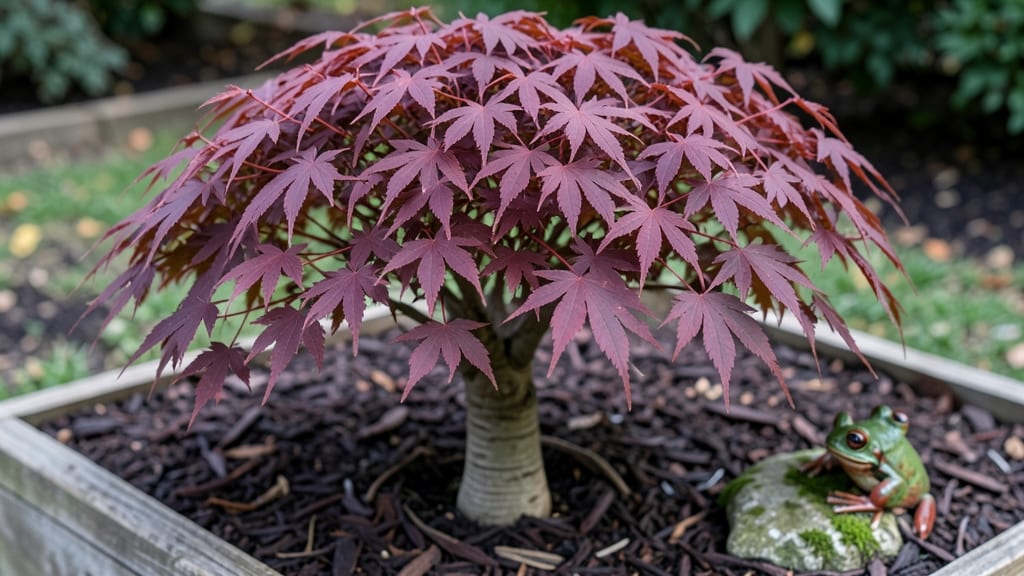
My mini outdoor trees transformed my tiny courtyard from a forgotten corner into the most talked-about spot in the neighborhood. 🌿 These compact powerhouses pack all the beauty of full-sized trees—colorful foliage, fragrant blooms, and even edible fruit—without the space commitment.
I chose varieties that stay under 6 feet tall, perfect for patios, small yards, or even large containers.
The secret to their success? Picking the right species for your climate and sunlight. Some, like dwarf Japanese maples, thrive in partial shade with just 3-4 hours of morning sun, while others, like peach trees, demand full sun and a little extra care.
Most need minimal pruning—just a quick trim in early spring—and watering that mimics natural rainfall: deep but infrequent.
By summer, your mini trees will be the star of your outdoor space, their glossy leaves catching the light and their seasonal blooms drawing hummingbirds. Pair a dwarf fruit tree with creeping thyme for a fragrant border, or let a bonsai-style maple anchor a cozy seating area.
The best part? You’ll save years of growth compared to starting with a full-sized tree.
Whether you’re working with a balcony, a postage-stamp yard, or just want low-maintenance curb appeal, these trees deliver big results. Here’s how to pick the perfect one for your space—and keep it thriving for decades.
📚 In This Guide
- What you need
- Instructions
- Tips and common mistakes
- Wrapping up and next steps
What you need
- ● Dwarf Tree Varieties: Choose from options like Japanese Maple (Acer palmatum), Dwarf Alberta Spruce (Picea glauca 'Conica'), or Miniature Olive Trees (Olea europaea 'Little Ollie'). Select 1-3 plants based on your space.
- ● Containers: 1-3 pots (10-15 gallons) with drainage holes. Opt for terracotta, ceramic, or fiberglass for durability.
- ● Potting Soil: 2-3 bags of well-draining, organic potting mix (e.g., 50% peat moss, 30% perlite, 20% compost).
- ● Mulch: 1 bag of wood chips or bark mulch (to retain moisture and regulate temperature).
- ● Fertilizer: Slow-release granular fertilizer (10-10-10 NPK) or organic options like fish emulsion.
- ● Pruning Tools: 1 pair of bypass pruners (for clean cuts).
- ● 1 small hand saw (for thicker branches, if needed).
- ● Watering Can or Hose: With a gentle spray nozzle to avoid damaging delicate foliage.
- ● Gloves & Sun Protection: Lightweight gardening gloves and sunscreen (for those sunny setup days!).
- ● Tree stakes or supports (for young, top-heavy trees like Dwarf Weeping Willow).
- ● Slow-release moisture beads (to reduce watering frequency).
- ● Decorative garden stones or pebbles (for a polished look around the base).
- ● Pest control: Neem oil or insecticidal soap (preventative measure for aphids/spider mites).
- ● Portable tree light (for winter or decorative ambiance).
Step-by-step guide to planting dwarf trees for small-space beauty
Transform your yard into a lush, miniature forest with these easy-to-follow steps.
🌱 Step 1: Choose the Perfect Dwarf Varieties for Your Space
Start by selecting dwarf varieties that fit your yard’s size and sunlight. Japanese maples like 'Bloodgood' stay under 10 feet, while dwarf fruit trees such as 'Columnar Apple' reach only 8 feet—ideal for tight spaces. Check the mature height and spread on the tag or online before buying. I always opt for container-friendly varieties like 'Dwarf Alberta Spruce' or 'Miniature Crape Myrtle' if I’m unsure about long-term growth.
Dwarf trees thrive in full sun to partial shade, but some, like 'Dwarf Ficus,' tolerate shade better. Match your tree’s needs to your yard’s light conditions—this ensures healthy growth from day one. If your space gets less than 4 hours of sunlight, avoid sun-loving varieties like 'Dwarf Bradford Pear' and stick to shade-tolerant options.
🪴 Step 2: Prepare the Planting Site or Container
For in-ground planting, dig a hole twice as wide as the root ball but only as deep. This prevents burying the trunk too deeply, which can strangle the tree over time. Amend the native soil with 2-3 inches of compost mixed into the bottom of the hole to improve drainage and fertility. If your soil is heavy clay, add a handful of perlite to loosen it up.
For container planting, choose a pot at least 12 inches deep with drainage holes. Fill the bottom with 1-2 inches of gravel or broken pottery to prevent root rot. Use a well-draining potting mix—never garden soil—since containers dry out faster. I always add a slow-release fertilizer to the mix to give the tree a nutrient boost right away.
☀️ Step 3: Plant with Care to Ensure Strong Growth
Remove the tree from its container and gently loosen the roots if they’re circling. Place it in the hole or pot so the top of the root ball sits level with the soil line—never mound soil against the trunk. Backfill with soil, pressing lightly to remove air pockets, but don’t compact it too tightly. Water deeply until the soil settles and drains away.
Stake the tree only if it’s taller than 4 feet or in a windy location. Use two stakes placed on opposite sides of the root ball and tie the trunk loosely with soft tree ties—never wire or anything that can cut into the bark. Mulch around the base with 2-3 inches of organic mulch, keeping it 3 inches away from the trunk to prevent rot.
💧 Step 4: Water and Maintain for Long-Term Health
Water deeply once a week for the first month, ensuring the soil stays moist but not soggy. Dwarf trees have shallow roots, so they dry out faster than larger trees. You’ll know it’s time to water when the top inch of soil feels dry—stick your finger in to check. Avoid overhead watering, which can spread disease; instead, water at the base.
Fertilize in early spring with a balanced, slow-release fertilizer (10-10-10 ratio works well). Prune only to remove dead or crossing branches—never shape young dwarf trees aggressively. They grow slowly, so patience is key. Watch for pests like spider mites or aphids; a strong spray of water usually clears them up without chemicals.
⏰ Step 5: Enjoy and Expand Your Miniature Garden
In 3-5 years, your dwarf tree will reach its mature size—perfect for patios, small yards, or even large containers. Group 3-4 dwarf trees together for a stunning, low-maintenance landscape. I like pairing a dwarf Japanese maple with a miniature boxwood and a dwarf conifer for texture and color contrast.
Once established, these trees need minimal care—just occasional watering in dry spells and an annual pruning to shape. Their slow growth means you won’t have to replant or reshape for decades. Now, step back and admire your instant miniature forest!
Tips & tricks for perfect mini outdoor trees
Transforming your space into a miniature forest is easier than you think—these pro tips will help you avoid common pitfalls and create a thriving dwarf tree garden that lasts for years!
Variety Selection: Pay close attention to the mature height and spread listed on plant tags—some 'dwarf' varieties can still reach 8-10 feet! For true small-space solutions, look for 'miniature' labels like 'Dwarf Alberta Spruce' which max out at 4-5 feet. I always check the growth rate too: slower-growing varieties need less frequent pruning and maintenance.
Soil Preparation: The 2-3 inches of compost you add to your planting hole isn't just for fertility—it creates the perfect moisture balance for dwarf trees. For container planting, that 12-inch depth requirement is non-negotiable! Shallow pots lead to root binding, which stunts growth. I like adding a handful of worm castings to the compost mix for extra microbial activity that helps roots establish faster.
Planting Depth: Getting the planting depth right in Step 3 is crucial—burying too deep suffocates the trunk while planting too shallow exposes roots. The top of the root ball should sit exactly level with the surrounding soil line. To check, use a small stick to mark the original soil line on the root ball before planting, then match it perfectly when backfilling.
Watering Wisdom: Those shallow roots mean dwarf trees dry out faster than you'd expect! The "top inch dry" test in Step 4 is your best friend—stick your finger in the soil and if it feels dry at the first knuckle, it's time to water. For containers, I've found watering in the morning gives roots time to absorb moisture before evening evaporation sets in.
Pro Tips for Mini Outdoor Trees
- Transforming your space into a miniature forest is easier than you think—these pro tips will help you avoid common pitfalls and create a thriving dwarf tree garden that lasts for years!
- Variety Selection: Pay close attention to the mature height and spread listed on plant tags—some 'dwarf' varieties can still reach 8-10 feet!
- Soil Preparation: The 2-3 inches of compost you add to your planting hole isn't just for fertility—it creates the perfect moisture balance for dwarf trees.
Frequently asked questions
Got questions about mini outdoor trees?
You’re not alone! Here are answers to the most common queries to help you choose and care for your perfect dwarf variety.
What’s the best mini outdoor tree for full sun exposure?
Dwarf varieties like the Japanese Maple (‘Cloud 9’ or ‘Emperor I’) or Dwarf Alberta Spruce thrive in full sun. For warmer climates, consider Dwarf Meyer Lemon—it loves sunlight and adds fragrant blooms. Just ensure they’re planted in well-draining soil to prevent root stress.
Can mini outdoor trees survive winter?
Most dwarf trees are hardy, but cold tolerance varies. Check the USDA zone rating (e.g., Dwarf Korean Lilac thrives in zones 3-8, while Dwarf Citrus needs zones 9-11). Mulch the base in fall, water sparingly before freezing, and protect tender varieties with burlap wraps or frost cloth.
How close can I plant a mini tree to my house or fence?
Keep dwarf trees at least 3–5 feet away from structures to avoid root competition or moisture buildup. For larger varieties (like Dwarf Blue Atlas Cedar), allow 6+ feet. Check mature size labels—some stay under 3 feet tall but spread wider!
Why is my mini outdoor tree’s leaves turning yellow?
Yellowing leaves often signal overwatering, underwatering, or nutrient deficiencies. Check soil moisture (top 1–2 inches should be dry), and adjust watering. Yellow edges? It might be iron deficiency—apply a chelated iron supplement or use compost. Pests (like spider mites) can also cause stress; hose leaves gently to inspect.
Are there non-flowering mini trees for low-maintenance gardens?
Opt for Dwarf Conifers (e.g., ‘Blue Rug’ Juniper or ‘Mops’ False Cypress) for year-round greenery with zero flowers or fruit. Dwarf Boxwoods or ‘Lime Rickey’ Dwarf Lime also offer lush foliage with minimal upkeep—just prune lightly to shape.
Can I grow a mini outdoor tree in a container?
Yes! Many dwarf varieties (like Dwarf Citrus or ‘Bonanza’ Dwarf Apple) thrive in pots. Use a container 12–18 inches deep with drainage holes, and repot every 2–3 years. Choose lightweight, breathable soil (like cactus mix for succulents) and move containers to avoid root-bound stress.
How do I prune a mini outdoor tree for a perfect shape?
Prune in late winter or early spring before new growth starts. Use clean, sharp shears to trim dead or crossing branches first. For shaping, cut just above a leaf bud at a 45° angle. Avoid heavy pruning—dwarf trees recover slowly. Pro tip: Wear gloves if your tree has thorns (like Dwarf Hawthorn!).
Wrapping up and next steps
Mini outdoor trees are a fantastic way to bring nature’s charm to small spaces—whether you’re a busy urban gardener or a beginner eager to try your hand at landscaping. 🌿 From low-maintenance Dwarf Alberta Spruce to vibrant Japanese Maple varieties, these compact beauties deliver big impact with minimal effort.
Now that you’re armed with the right knowledge, why not take the next step? Pick your favorite dwarf tree, grab your gardening gloves, and start creating your own pocket-sized paradise today!
- 🌱 Plant now—spring or fall is ideal for most varieties!
- 📝 Sketch a layout to visualize your mini outdoor oasis.
- ✨ Share your progress—tag us in your garden transformations!