
Blooming
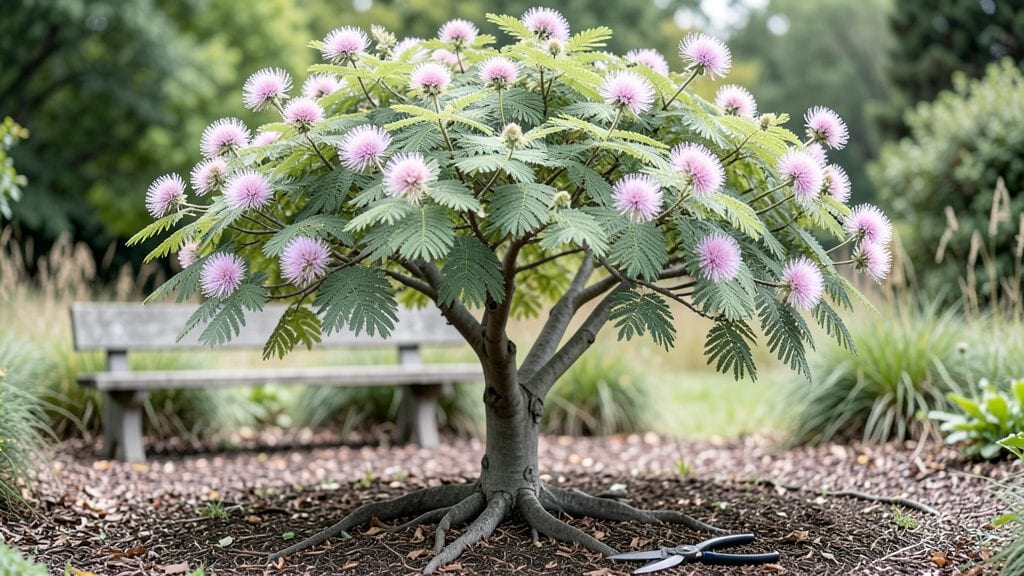
Mimosa tree blossoms turn spring into a cloud of pink, fluffy magic that smells like cotton candy and sunshine. 🌸 I’ve watched my own tree go from a bare sapling to a fragrant showstopper in just three years, and the secret isn’t some rare technique—it’s patience, the right spot, and a few simple care tricks most gardeners miss.
The key starts with sunlight: these trees crave full sun, at least 6-8 hours daily, and well-drained soil that doesn’t stay soggy. I planted mine in a slightly raised bed with compost mixed in, and by year two, it was already throwing out those iconic pom-pom blooms.
Watering matters too—deep soaks once a week (more in summer heat) keep roots happy without drowning them.
By year three, you’ll see those fuzzy pink blossoms appear in late spring, lasting for weeks if you prune correctly. Trim back dead branches in early spring and shape lightly after flowering to encourage bushier growth.
The scent alone makes it worth the wait—like walking through a fairy garden every morning.
Watch for pests like spider mites (they love dry conditions) and aphids, but a strong spray of water usually does the trick. With the right care, your mimosa will reward you with showstopping blooms for decades. Here’s how to keep yours thriving from start to finish.
📚 In This Guide
- What you need
- Instructions
- Tips and common mistakes
- Wrapping up and next steps
What you need
- ● Mimosa tree seeds (Albizia julibrissin) – 5–10 seeds (or a young sapling from a nursery for faster results).
- ● Well-draining potting mix – 5–10 gallons (look for a blend labeled for fast-growing trees or shrubs).
- ● Containers or garden plot – For seedlings: 5–7-inch pots (3–5 total) with drainage holes.
- ● For transplanting: A sunny spot with at least 6–8 feet of vertical space (or a large container if growing in pots).
- ● Watering can or hose with a gentle spray nozzle.
- ● Fertilizer – Slow-release balanced fertilizer (10-10-10) or organic compost (1–2 cups per planting season).
- ● Pruning shears – Small, sharp pair for trimming new growth.
- ○ Mulch (optional but helpful) – Shredded bark or wood chips (2–3 inches thick) to retain moisture.
- ● Gloves – Heavy-duty gardening gloves (mimosa seeds can be itchy!).
- ● Sunlight access – A location with full sun (6+ hours daily).
- ○ pH test kit (optional) – To check soil pH (ideal range: 6.0–7.5).
- ● Trowel or shovel – For transplanting seedlings.
- ● Patience & love – Mimosa trees grow fast, but they need consistent care!
Instructions for growing a mimosa tree with reliable blossoms
Here's how to nurture a fragrant mimosa tree that bursts into bloom within three seasons.
🌱 Step 1: Select and Prepare the Planting Site
Mimosa trees thrive in full sun—choose a location with at least 6-8 hours of direct sunlight daily. They tolerate a range of soil types but prefer well-draining soil with a pH between 6.0 and 7.0. If your soil is heavy clay, amend it with 2-3 inches of compost before planting to improve drainage.
Dig a hole twice as wide as the root ball but only as deep. This allows roots to spread naturally without being buried too deep, which can suffocate them. Gently remove the tree from its container and loosen any circling roots with your fingers—this encourages outward growth instead of root-bound circles.
☀️ Step 2: Plant at the Right Time and Depth
Plant your mimosa tree in early spring, after the last frost date in your area. This gives roots time to establish before summer heat sets in. Place the tree in the hole so the top of the root ball sits 1-2 inches above soil level—this prevents water from pooling around the trunk and causing rot.
Backfill the hole with native soil, tamping it down lightly to remove air pockets. Water deeply right after planting to settle the soil and eliminate gaps. You’ll know it’s done right when the soil surface looks slightly firm but not compacted. Mulch around the base with 2-3 inches of organic mulch, keeping it 3-4 inches away from the trunk to prevent moisture buildup.
💧 Step 3: Water Consistently for the First Year
Newly planted mimosa trees need 1-2 inches of water weekly, especially during the first year. Water deeply but infrequently—this encourages deep root growth. Check soil moisture by sticking your finger 2 inches down; if it feels dry, it’s time to water. Avoid overhead watering, which can spread disease. Instead, use a soaker hose or drip irrigation at the base.
During the first growing season, you’ll notice new leaves emerging within 4-6 weeks. This is your signal that the tree is establishing roots. If leaves yellow or wilt, it’s often a sign of overwatering or poor drainage. Mimosa trees are drought-tolerant once established, but young trees need steady moisture to thrive.
✂️ Step 4: Prune for Shape and Health
Prune your mimosa tree in late winter or early spring before new growth begins. Remove any dead, diseased, or crossing branches first—this keeps the tree healthy and open to sunlight. For shaping, cut back any branches that grow inward or rub against each other. Aim to maintain an open, airy canopy, as mimosa trees naturally grow into rounded shapes.
You can also lightly trim the outer branches to encourage bushier growth. Avoid heavy pruning, as mimosa trees bloom on new wood. If you prune too aggressively, you might delay flowering. Watch for signs of stress like leaf drop or stunted growth—these can indicate over-pruning or disease. A well-pruned mimosa will reward you with vibrant, fragrant blossoms by its third year.
🌿 Step 5: Fertilize and Monitor for Pests
Apply a balanced, slow-release fertilizer in early spring and again in mid-summer. Mimosa trees don’t need heavy feeding, but a light application of 10-10-10 fertilizer (following package instructions) promotes healthy growth. Avoid over-fertilizing, which can lead to excessive leafy growth at the expense of flowers. Water the tree deeply after fertilizing to help nutrients reach the roots.
Keep an eye out for common pests like aphids or spider mites, which can weaken young trees. If you spot pests, treat them with a mild insecticidal soap or neem oil spray. Healthy mimosa trees are resilient, but early intervention prevents infestations from spreading. With proper care, your mimosa will develop a strong structure and burst into fragrant bloom within three years.
Tips & tricks for perfect mimosa tree blooms
Here's what I've learned after helping dozens of gardeners coax vibrant blossoms from their mimosa trees.
Sunlight is Non-Negotiable: Mimosa trees absolutely need those 6-8 hours of direct sunlight daily—there's no substitute. If your yard has partial shade, consider planting near a south-facing wall or fence that reflects sunlight. I once planted one under a large oak and it took five years to bloom because the filtered light just wasn't enough. Trust me, find the sunniest spot first!
Root Preparation Makes All the Difference: When you remove that mimosa from its container, take 5 minutes to gently tease apart any circling roots with your fingers. I know it feels tedious, but this simple step prevents girdling—a condition where roots strangle the trunk as the tree grows. It's worth the extra effort for long-term health and better blooming potential.
Watering Wisdom: That 1-2 inches weekly guideline is perfect, but here's the secret: water deeply but infrequently. I use a rain gauge to track rainfall and only add water when we've had less than an inch in the past week. The key is encouraging deep root growth rather than shallow, frequent watering that keeps roots near the surface. You'll know you're doing it right when you can push your finger down 2 inches and feel dry soil.
Pruning for Blooms: Remember how the instructions say to prune in late winter? That timing is crucial because mimosa trees bloom on new wood. If you prune too late in spring, you might cut off potential flower buds before they form. I like to do a light shaping prune right after the first flush of leaves appears in early spring—this gives the tree time to develop flowers before summer heat sets in.
Pro Tips for Mimosa Tree Blossoms
- Here's what I've learned after helping dozens of gardeners coax vibrant blossoms from their mimosa trees.
- Sunlight is Non-Negotiable: Mimosa trees absolutely need those 6-8 hours of direct sunlight daily—there's no substitute.
- Root Preparation Makes All the Difference: When you remove that mimosa from its container, take 5 minutes to gently tease apart any circling roots with your fingers.
Frequently asked questions
Got questions about mimosa tree blossoms?
Here’s what you need to know to nurture fragrant blooms in your garden—plus quick fixes for common hiccups.
How long does it take for a mimosa tree to bloom after planting?
A healthy mimosa tree (Albizia julibrissin) typically blooms for the first time 3 to 5 years after planting, given proper care. Patience pays off—young trees focus on root and branch growth before flowering. Pro tip: Plant in well-draining soil and full sun to speed up the process!
Why isn’t my mimosa tree blooming yet?
Mimosa trees are slow starters! Common reasons for delayed blooms include:
- Age: Trees under 3 years old won’t flower.
- Stress: Overwatering, poor soil, or pests can delay blooms.
- Pruning: Heavy pruning in late winter can remove next year’s flower buds.
Can I grow mimosa trees in pots, or do they need to be planted in the ground?
Mimosa trees thrive in the ground but can grow in large containers (20+ gallons) for 2–3 years. Use fast-draining soil and repot every 2–3 years. Warning: Potted mimosas may bloom later or less abundantly due to root restrictions.
Are mimosa blossoms toxic to pets or children?
Great news! Mimosa blossoms and leaves are non-toxic to pets and humans. However, the tree’s pods (when dry) can cause mild stomach upset if ingested in large quantities. Keep an eye on curious pups or kids playing near fallen pods.
What’s the best way to extend mimosa blooms beyond spring?
Mimosa trees bloom spring to early summer, but you can encourage longer displays by:
- Pruning lightly after blooms fade to promote new growth.
- Avoiding heavy fertilizing in late summer (it can stress the tree).
- Planting in a sheltered spot to protect from late frost.
Wrapping up and next steps
Watching your mimosa tree blossoms burst into fragrant springtime splendor in just three years is a rewarding experience—one that blends patience with pure joy! 🌸 From selecting the right soil to nurturing your tree with care, every step brings you closer to those dreamy, fuzzy blooms.
Now that you’re armed with tips and answers, why not plant your mimosa today? Start small, stay consistent, and soon, your garden will be filled with the sweet scent of success—literally!
💡 Next step: Grab your gloves, pick a sunny spot, and let nature work its magic!