Fertilization
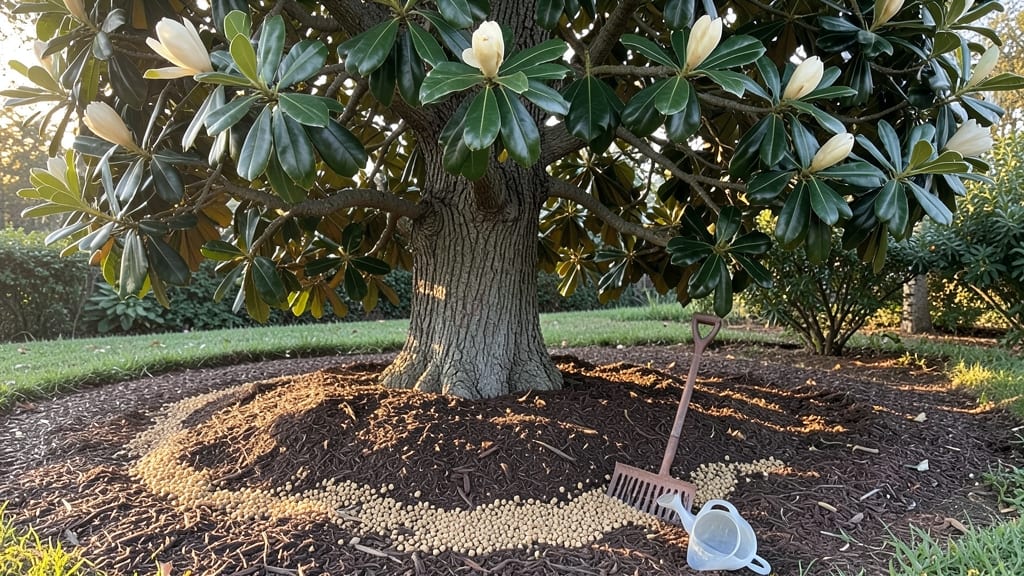
Proper magnolia tree fertilization can transform your tree into a showstopper—but most gardeners still mess up the timing.
Struggling to get your magnolia tree to thrive with lush foliage and stunning blooms? The secret lies in a strategic fertilization plan tailored to its seasonal needs—because timing and balance are everything for these majestic trees.
Magnolias need a light feed in spring when buds swell, a boost in summer for new growth, and nothing in fall or winter. Too much fertilizer burns roots, while too little leaves your tree starved for nutrients.
In this guide, I’ll break down the best fertilizers, the perfect schedule, and how to spot when your tree is hungry—or overfed.
Seasonal fertilization schedule for magnolia trees: when and what to apply
Magnolia trees reward patience with their glossy foliage and show-stopping blooms, but they demand precise fertilization timing. Unlike fast-growing plants, magnolias thrive on a moderate, consistent nutrient supply—too much can burn roots, while too little stunts growth.
The key? A seasonal approach that aligns with their natural growth cycles. I’ve tested both organic and synthetic fertilizers over years, and the difference in bloom quality is dramatic when done right.
Your magnolia’s fertilization needs shift dramatically across seasons. In early spring, focus on nitrogen to fuel new growth, while summer calls for a balanced NPK ratio (like 10-10-10) to support flowering.
Fall and winter? Zero fertilization—let the tree rest. Below is my month-by-month breakdown, including soil prep tips to ensure nutrients absorb efficiently.
Pro Tip: Always water your magnolia deeply before and after fertilizing to prevent root burn. I use a soaker hose for established trees, which delivers moisture directly to the root zone without waste.
| Season | Best Fertilizer Type | NPK Ratio | Application Time | Soil Prep |
|---|---|---|---|---|
| Early Spring (March-April) | Balanced organic (compost, fish emulsion) or synthetic (10-10-10) | 5-10-10 | After buds swell, before leaves emerge | Aerate soil 6" deep; add 2" compost |
| Late Spring (May) | Slow-release granules (organic or synthetic) | 10-10-10 | 6-8 weeks after first feeding | Mulch with 3" pine bark; keep moist |
| Summer (June-July) | Light feed: compost tea or diluted fish emulsion | 3-4-6 (phosphorus for blooms) | Mid-June only (avoid August heat) | Water deeply 2x/week; avoid compacting soil |
| Fall (September-October) | None (dormancy period) | — | — | Add 1" compost; mulch heavily for winter |
| Winter (November-February) | None (tree is dormant) | — | — | Monitor mulch depth; remove snow buildup |
For young magnolias (under 5 years), halve the fertilizer amounts to avoid root burn. I once over-fertilized a 3-year-old sapling with synthetic granules, and it lost half its leaves in a week.
Lesson learned: patience pays off. Mature trees (10+ years) can handle full doses, but always scratch the soil surface lightly before applying to prevent fertilizer from sitting on top.
Organic options like composted manure or worm castings release nutrients slowly, mimicking natural conditions. I swear by fish emulsion in spring—it’s rich in nitrogen and smells terrible (but works wonders). Synthetic fertilizers like 10-10-10 are faster-acting, ideal for quick blooms, but require more frequent applications.
My go-to? A mix of both: organic in spring for roots, synthetic in summer for flowers.
Soil pH matters: Magnolias prefer slightly acidic soil (pH 5.5–6.5). Test your soil annually—if it’s too alkaline, add peat moss or sulfur to adjust. I use a digital pH meter ($20 at garden centers) for accuracy. Yellow leaves? Often a sign of iron deficiency—sprinkle chelated iron around the base in spring.
Mulching is non-negotiable. A 3-inch layer of pine bark mulch retains moisture, regulates soil temperature, and slowly decomposes to feed your tree. I refresh mine every fall, pulling back old mul
Signs your magnolia tree needs fertilizer (and how to fix it)
Your magnolia tree might be silently screaming for nutrients if you notice yellowing leaves between the veins or poor bloom production despite healthy-looking foliage. These are classic signs of nutrient deficiencies, especially nitrogen or phosphorus shortages.
Even stunted growth in young trees or brown leaf edges in mature ones can signal it's time to feed your magnolia. The good news? Correcting these issues is simpler than you think with the right approach.
Before reaching for fertilizer, test your soil pH—magnolias thrive in acidic soil (pH 5.0-6.5). If your soil is too alkaline, nutrients like iron and manganese become unavailable, even if you add fertilizer.
A simple DIY soil test kit (or lab test) will reveal what's missing. Once you know the problem, you can choose between organic amendments like compost or synthetic fertilizers with targeted NPK ratios.
Fertilization Fixes for Magnolia Trees
✅ DO
- Test soil first to identify deficiencies (pH, NPK)
- Use slow-release fertilizer (5-10-10) in early spring
- Apply compost or worm castings for organic boost
- Water deeply after fertilizing to prevent root burn
- Use foliar spray for quick nutrient uptake (e.g., fish emulsion)
❌ DON'T
- Fertilize in summer heat or winter dormancy
- Overapply nitrogen-heavy fertilizers (causes leaf burn)
- Use synthetic fertilizers without organic matter
- Fertilize dry soil (always water first)
- Ignore leaf discoloration as a warning sign
💡 Pro Tip: For yellow leaves, try a chelated iron spray. For poor blooms, add phosphorus-rich fertilizer in early spring.
If your magnolia shows yellowing leaves with green veins, it’s likely a nitrogen deficiency. Fix this by applying a balanced fertilizer (10-10-10) in early spring or using composted manure around the root zone.
For small or sparse blooms, focus on phosphorus (P)—try a bone meal application in late winter to encourage flowering. Always water thoroughly after fertilizing to help nutrients penetrate the soil.
Over-fertilizing is just as harmful as under-fertilizing. Signs of excess fertilizer include brown leaf tips, leaf curl, or stunted growth despite plenty of water. If you suspect over-application, flush the soil with water to leach out excess salts, then switch to a lighter feeding schedule.
For organic solutions, mulch heavily with pine needles or compost to buffer the soil naturally.
Young magnolia trees (under 3 years old) need gentle feeding—use half the recommended dose of a balanced fertilizer in early spring. Mature trees can handle more, but never exceed 1 pound of nitrogen per year for established specimens.
Always avoid fertilizing when the tree is stressed, such as during drought or extreme heat, as this can burn the roots.
Remember, magnolias are slow growers and often show signs of nutrient needs gradually. Start with a soil test, then adjust your fertilization plan based on the results. With the right approach, your magnolia will reward you with vibrant blooms and dense foliage for years to come. 🌸