Fertilization
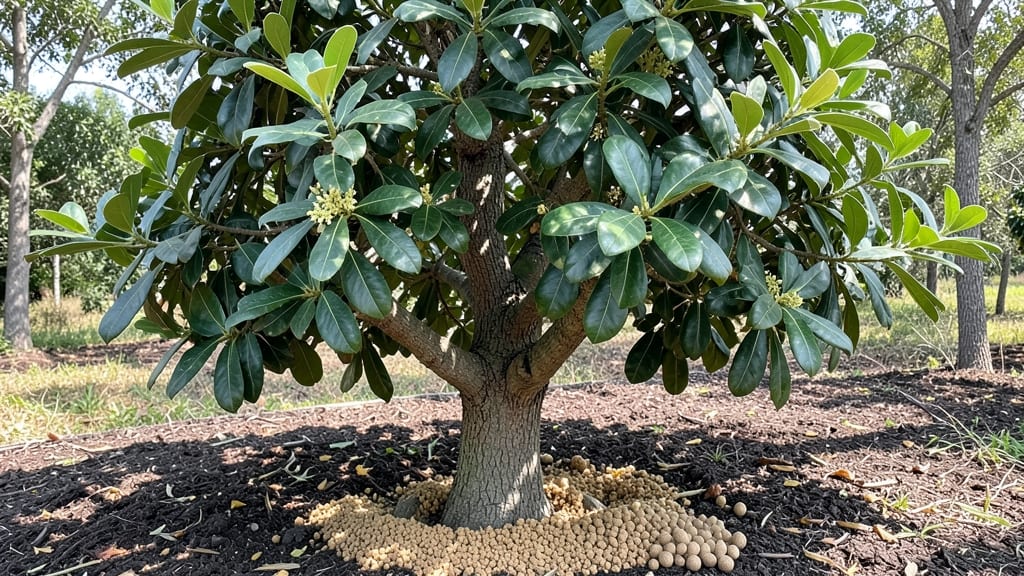
Avocado tree fertilization requires balanced nutrients like nitrogen, phosphorus, potassium, and micronutrients such as zinc and magnesium, applied in early spring and mid-summer with organic or slow-release fertilizers. Avoid over-fertilizing, as avocados prefer slightly acidic soil (pH 6.0–7.0).
Avocados thrive when you feed them the right nutrients at the right time—think of it like giving your tree a tailored diet for maximum growth and fruit production. 🌱 The key is balancing these nutrients without overdoing it, since too much can actually harm your tree.
For example, nitrogen pushes leafy growth, while phosphorus supports root strength and flowering, and potassium ensures your fruit develops properly. Micronutrients like zinc and magnesium often get overlooked but are critical for preventing issues like yellowing leaves or stunted fruit development.
Testing your soil first helps you fine-tune the mix, especially since avocados are picky about their slightly acidic environment.
Organic options like compost or worm castings are my go-to because they release nutrients gradually, mimicking natural processes. Young trees need gentler feeding, while mature trees can handle a bit more—but always follow the pH 6.0–7.0 rule to keep roots happy.
Pro tip: Split applications between early spring and mid-summer to match your tree’s natural growth cycles, and avoid fertilizing in winter when it’s dormant.
💡 In This Article
- Key Nutrients for Avocado Tree Growth and Fruit Production
- Step-by-Step Guide to Fertilizing Avocado Trees
Key nutrients for avocado tree growth and fruit production
Nitrogen is the growth superstar for avocado trees, fueling the lush, dark green leaves that capture sunlight for energy. When your tree gets enough nitrogen, you'll see vigorous new shoots and dense foliage—this nutrient powers photosynthesis, the process that converts light into the energy your tree needs to thrive.
However, too much nitrogen can backfire by promoting excessive leaf growth at the expense of fruit production, so aim for a balanced approach. Think of nitrogen as the fertilizer equivalent of a protein-rich meal for your tree: essential, but not the only thing on the menu.
Phosphorus plays a critical role in root development and flowering, acting like the tree's internal wiring system. It helps transport energy between roots and leaves while supporting the formation of flowers that eventually become fruit.
A phosphorus deficiency often shows up as dark green or purplish leaves, especially along the veins, or stunted root systems that struggle to anchor the tree. For avocados, phosphorus becomes especially important during the flowering season, typically in late winter to early spring.
This is why a well-timed phosphorus boost can make the difference between a sparse harvest and a bountiful one.
Potassium is the quality control nutrient for avocado fruit, ensuring proper cell development and disease resistance. It helps regulate water movement within the plant and strengthens cell walls, which is why potassium-deficient trees often produce small, misshapen fruit with poor texture.
You'll notice potassium deficiency symptoms as yellowing leaf edges (scorching) or weak stems that struggle to support the tree's weight. The key is maintaining potassium levels during the fruit development stage, roughly 6-8 months after flowering, when the tree is investing heavily in fruit growth rather than foliage.
Micronutrients like zinc and magnesium often fly under the radar but are vital for preventing subtle yet critical issues. Zinc deficiency causes what's known as "little leaf" syndrome—small, narrow leaves clustered together—while magnesium deficiency manifests as interveinal chlorosis (yellowing between leaf veins) on older leaves first.
These deficiencies occur because avocado trees have limited root systems that can't always access micronutrients efficiently, especially in alkaline soils. A soil test can reveal these imbalances before they become visible problems, allowing you to address them with targeted amendments like chelated zinc or Epsom salt for magnesium.
The soil pH acts as the gatekeeper for nutrient availability, with avocados preferring the slightly acidic range of 6.0–7.0. At lower pH levels, essential nutrients like phosphorus and zinc become more available, while higher pH can lock out these critical elements.
For example, in alkaline soils above 7.5, iron and manganese become nearly inaccessible, even if they're present in the soil. This is why adjusting pH with elemental sulfur (to lower pH) or lime (to raise it) is often necessary before applying fertilizers.
The goal is creating an environment where roots can efficiently absorb all the nutrients your tree needs to flourish.
What most growers don't realize is how these nutrients interact—like a well-orchestrated symphony. For instance, while nitrogen promotes leaf growth, phosphorus and potassium work together to ensure that growth translates into fruit production.
The ratio matters too: a 6-6-6 or 8-3-9 NPK blend (nitrogen-phosphorus-potassium) is common for avocados, but the magic happens when you pair these macronutrients with micronutrients in the right proportions. This balance is what transforms a healthy-looking tree into one that produces high-quality, abundant fruit year after year. 🌿