Size
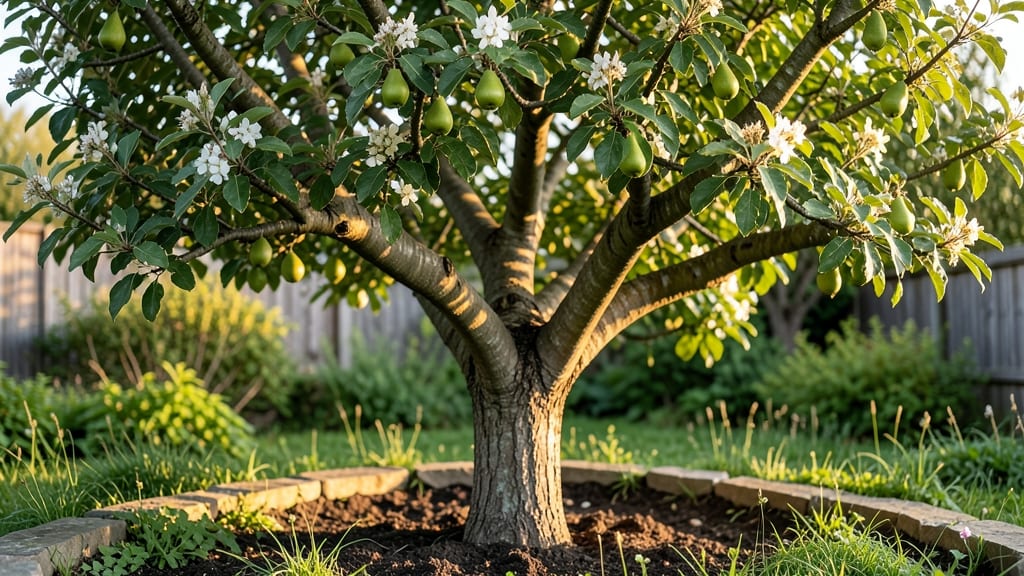
Wondering how tall do pear trees grow—they range from 8 feet to towering 50 feet, depending on the variety and how you prune them 🍐.
Wondering if your backyard can handle one? Some compact types fit containers, while others need the space of a small orchard. The right choice affects everything from fruit yield to how often you’ll need a ladder.
Dwarf varieties stay manageable for small spaces, but standard trees can outgrow even the largest gardens. Below, we’ll compare sizes by type and share spacing tips to keep your tree—and your harvest—within reach.
Ready to pick the perfect fit? You’ll learn which varieties thrive in Zone 6a, how pruning shapes growth, and the best placement for sun and soil in spring planting.


Pear tree height by variety: from dwarf to standard and semi-dwarf sizes
Pear trees offer an incredible range of mature heights, from compact dwarf varieties that fit in containers to standard trees reaching towering heights of 50 feet or more. The size you choose depends on your garden space, maintenance preferences, and whether you prioritize ease of harvest or maximum fruit production.
For example, a dwarf Bartlett pear tree might stay under 10 feet, while a standard Anjou pear can easily exceed 30 feet. Understanding these differences helps you select the perfect tree for your backyard orchard or urban garden.
The height of a pear tree isn’t just about the variety—rootstock plays a crucial role in determining final size. Dwarfing rootstock like Quince C or Old Home x Farmingdale keeps trees small, while standard rootstock like Seedling or Ohio x Farmingdale allows trees to grow to their full potential.
Even within the same variety, switching rootstock can mean the difference between a 12-foot tree and a 30-foot giant. This flexibility lets you customize your orchard to fit even the smallest spaces.
Let’s explore the most popular pear varieties and their mature heights, including growth rates and ideal climates to help you make the best choice for your garden.
summary-table
| Variety | Rootstock | Mature Height | Growth Rate | Ideal Climate | Notes |
|---|---|---|---|---|---|
| Bartlett (Williams) | Quince C (Dwarf) | 8–12 ft | Moderate | Zones 5–9 | Best for containers; needs cross-pollination |
| Bartlett (Williams) | OH x F (Semi-Dwarf) | 15–20 ft | Moderate-Fast | Zones 5–9 | Classic canning pear; needs space |
| Anjou | Seedling (Standard) | 30–50 ft | Slow-Moderate | Zones 4–9 | Long-lived; needs pruning |
| Anjou | Quince A (Dwarf) | 10–15 ft | Moderate | Zones 5–8 | Great for small yards |
| Asian Pear (Korean) | Quince C (Dwarf) | 8–12 ft | Slow | Zones 6–9 | Crisp, sweet fruit; needs cross-pollination |
| Hooded | Quince C (Dwarf) | 6–10 ft | Slow | Zones 5–8 | Cold-hardy; great for urban gardens |
How to choose the right pear tree size for your garden spaceSelecting the right pear tree size ensures your garden thrives without overcrowding or sacrificing fruit production. Dwarf varieties like 'Patten' or 'Hooded' stay compact at 8-15 feet, making them ideal for urban yards or containers. Meanwhile, standard varieties like 'Bartlett' or 'Anjou' can reach 25-50 feet, requiring ample space for their sprawling canopies. The key is matching your tree’s mature height to your space, sunlight, and long-term care goals. Before planting, measure your garden’s available space and consider tree spacing recommendations. Dwarf trees need 10–15 feet between them, while semi-dwarf varieties (15–25 feet tall) require 18–25 feet of clearance. Standard trees demand even more room—20–30 feet—to prevent root competition and ensure proper airflow. Skipping this step often leads to overcrowded trees with reduced fruit quality. Soil type and sunlight also play critical roles in determining which pear tree size will thrive in your space. Well-draining soil with a slightly acidic pH (6.0–7.0) is ideal for all varieties, but dwarf trees tolerate container growing better than their larger counterparts. Full sun (6–8 hours daily) is non-negotiable, as even semi-dwarf trees struggle to fruit well in partial shade.
If you’re growing pears in containers, opt for dwarf or semi-dwarf varieties with rootstocks like 'Old Home' or 'Quince C'. These rootstocks naturally restrict growth, making them container-friendly. Use a large pot (at least 18–24 inches deep) with drainage holes and a high-quality potting mix amended with compost. Remember, container-grown trees need more frequent watering and seasonal fertilization to compensate for limited root space. For urban gardens with limited space, consider espaliered pear trees. This training method flattens the tree against a fence or wall, reducing its footprint while maximizing fruit production. Dwarf varieties like 'Hooded' respond exceptionally well to espaliering, allowing you to grow pears in even the smallest backyards. Just ensure the espaliered tree still receives full sun and prune aggressively to maintain its flat form. Finally, think about your long-term maintenance goals. Larger trees require more pruning, heavier fruit loads (which may need support structures like stakes or netting), and greater risk of disease due to dense canopies. If you’re new to fruit tree care, start with a dwarf or semi-dwarf variety—they’re easier to manage, produce fruit faster, and fit neatly into smaller spaces without sacrificing yield. |