How To
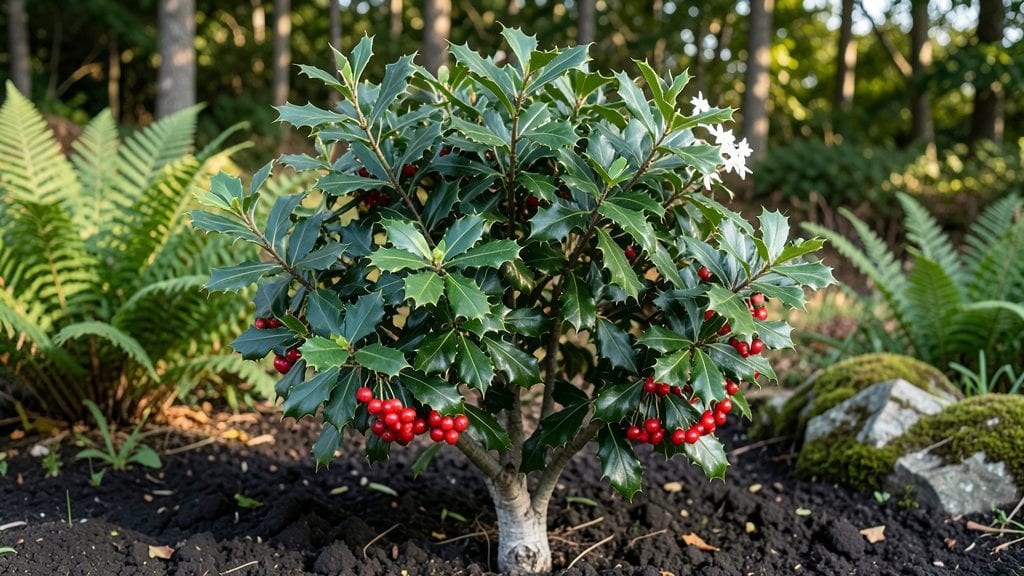
Wondering how tall can a holly tree grow—from a compact 8 feet to a majestic 50 feet—depending on the variety and your care? 🌳 If you're dreaming of a lush, evergreen hedge or a towering shade tree, holly varieties can deliver—some reaching heights that will surprise even seasoned gardeners.
But not all hollies grow the same, and their mature size depends on more than just genetics.
For example, the dwarf 'Green Lustre' stays compact at just 6-8 feet, perfect for small gardens, while the American holly can soar to 30-50 feet in ideal conditions. The right pruning and spacing make all the difference.
In this guide, I’ll break down height ranges by variety, share pruning tips to control growth, and help you pick the perfect holly for your space—whether you want a privacy screen or a statement tree.


Holly tree height ranges by variety: from dwarf to giant
Choosing the right holly tree for your space means understanding their mature height ranges, which can vary dramatically from compact shrubs under 6 feet to towering 50-foot giants.
Whether you're planning a privacy screen, a foundation plant, or a specimen tree, the variety you select will determine how much vertical space you need—and how much maintenance you'll face. Let's explore the extremes and everything in between.
Some holly varieties grow so slowly that they barely reach knee height after a decade, while others shoot up like skyward rockets, demanding regular pruning to keep them manageable.
The key difference often lies in their genetic origins: native American hollies (Ilex opaca) tend to be larger, while Asian varieties like Ilex crenata stay compact. Even within a single species, cultivar selection can mean the difference between a 6-foot hedge and a 30-foot shade provider.
📌 Pro Tip: Always check the mature height label when purchasing holly trees, as nurseries often sell young plants that will eventually outgrow their intended space. A 3-foot sapling of Ilex × 'Blue Princess' might look perfect now, but it could top out at 35 feet in 20 years!
For small gardens or urban yards, dwarf varieties like Ilex crenata 'Green Lustre' or Ilex × 'Dwarf Burford' are my go-to choices. These stay under 6 feet tall and grow slowly enough that you won’t need to prune them aggressively.
They’re perfect for container growing, topiary shapes, or lining walkways where space is limited. Their compact growth habit also makes them ideal for foundation plantings near driveways or patios.
If you're aiming for a privacy screen or windbreak, varieties like Ilex × 'Nellie R. Stevens' or Ilex × 'East Palatka' strike the perfect balance. These grow to 20–30 feet tall
Factors that influence holly tree height: sunlight, soil, and pruning
When planning your holly tree's future height, remember that genetics set the baseline, but environmental factors can push it toward its maximum or hold it back.
For example, the **American holly (Ilex opaca) can reach 50 feet in ideal conditions, while the dwarf Ilex crenata 'Green Lustre' stays under 8 feet—even with identical care.
The real magic happens when you control sunlight exposure, soil quality, and pruning techniques to steer growth in your desired direction.
Sunlight plays a critical role in determining how tall your holly will grow. Most varieties thrive in full sun to partial shade, but full sun exposure accelerates growth by 30-50% in the first 3-5 years.
However, in hot climates (Zones 8-10), afternoon shade prevents heat stress, which can stunt growth or cause leaf scorch. If you're growing holly in a container, sunlight becomes even more critical—place it where it gets at least 6 hours of direct light daily to prevent leggy, weak growth.
Soil pH is another non-negotiable factor for holly height. These trees prefer acidic to slightly acidic soil (pH 4.5-6.0)—outside this range, nutrient uptake suffers, and growth slows dramatically.
Test your soil before planting; if it’s alkaline (pH 7.0+), amend it with peat moss or sulfur to lower the pH. Well-draining, organic-rich soil also encourages stronger root development, which supports taller growth over time.
In urban areas with compacted soil, consider planting in raised beds to improve drainage and aeration.
⚠️ WARNING: Overlooking Pruning Can Double Your Holly’s Height! Holly trees grow faster when unpruned, but without guidance, they can become unwieldy and difficult to manage.
For instance, a young Ilex 'Blue Princess' left unpruned can shoot up 10 feet in just 5 years, while strategic pruning keeps it at a manageable 6-8 feet. The key is timing and technique: formative pruning (shaping young trees) vs. maintenance pruning (trimming mature growth).
Skipping pruning isn’t just about height—it also affects berry production and overall tree health. Always prune in late winter or early spring before new growth begins.
Pruning techniques vary by holly variety and your goal. For taller specimens, like English holly (Ilex aquifolium*), focus on selective thinning to remove suckers and crossing branches—this improves airflow and reduces disease risk while maintaining a pyramidal shape.
For dwarf varieties**, like Ilex 'Sky Pencil', light annual pruning after flowering keeps it under 10 feet. Use sharp, clean pruners and sterilize tools between cuts to prevent bacterial infections. Avoid heavy pruning in late summer, as it stimulates soft, vulnerable growth before winter.
Container-grown hollies offer the most control over height, but they require specialized care. Roots in pots circle and compete for space, which naturally restricts growth.
To keep a container holly under 6 feet, repot it every 2-3 years into a slightly larger pot (just 2-3 inches wider) and trim roots if they’re circling. Use a well-draining potting mix with perlite or sand to prevent root rot.
Fertilize monthly during spring and summer with a balanced, slow-release fertilizer (10-10-10) to encourage compact, bushy growth rather than rapid vertical expansion.
If you’re aiming for a specific height, create a pruning timeline tailored to your holly’s age and variety. For young trees (under 5 years), prune lightly in early spring to establish structure—cut back 1/3 of the new growth to encourage branching.
For mature trees (5+ years), prune twice a year: late winter for structural shaping and summer for cleanup cuts. Always step back and visualize the tree’s shape before making cuts—holly responds well to gradual adjustments over time, so avoid drastic changes in a single season.