How To
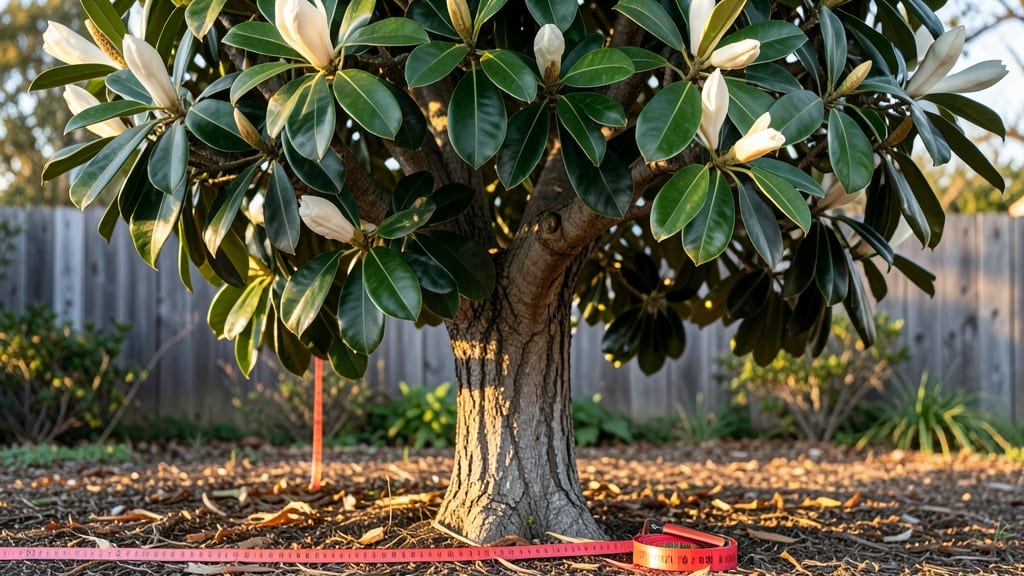
A magnolia tree can grow anywhere from 10 feet to over 120 feet tall, depending on the species—making it a true garden game-changer.
Picture this: a 20-foot Magnolia stellata 🌸 blooming like a pink cloud in your backyard, or a towering Magnolia grandiflora that dwarfs your two-story house. The size difference isn’t just about aesthetics—it affects everything from planting space to long-term care.
But here’s the thing: not all magnolias are created equal. Some stay compact enough for small yards, while others need acres to stretch their roots. I’ll break down the height ranges by species, plus the key factors that determine whether your magnolia grows up or out.
Ready to pick the perfect size for your space? You’ll also learn how to control growth through smart pruning and care—so you get the stunning blooms without the overwhelming height.


Magnolia tree height by species: small to giant varieties compared
Choosing a magnolia tree often comes down to one key question: how tall can a magnolia tree grow? The answer varies dramatically—from petite dwarf varieties perfect for small yards to towering giant magnolias that dominate landscapes.
Understanding these height ranges helps you pick the right species for your space and vision. Whether you want a compact accent tree or a statement specimen, each magnolia offers unique growth habits and mature sizes.
Magnolias are divided into three broad height categories: dwarf (under 10 ft), medium (10-30 ft), and tall (30-120+ ft). Some varieties even grow over 100 feet in ideal conditions! The species you choose will determine not just height but also spread, flowering time, and care needs.
Let’s explore the most popular magnolia species and their mature heights to help you make an informed decision for your garden.