How To
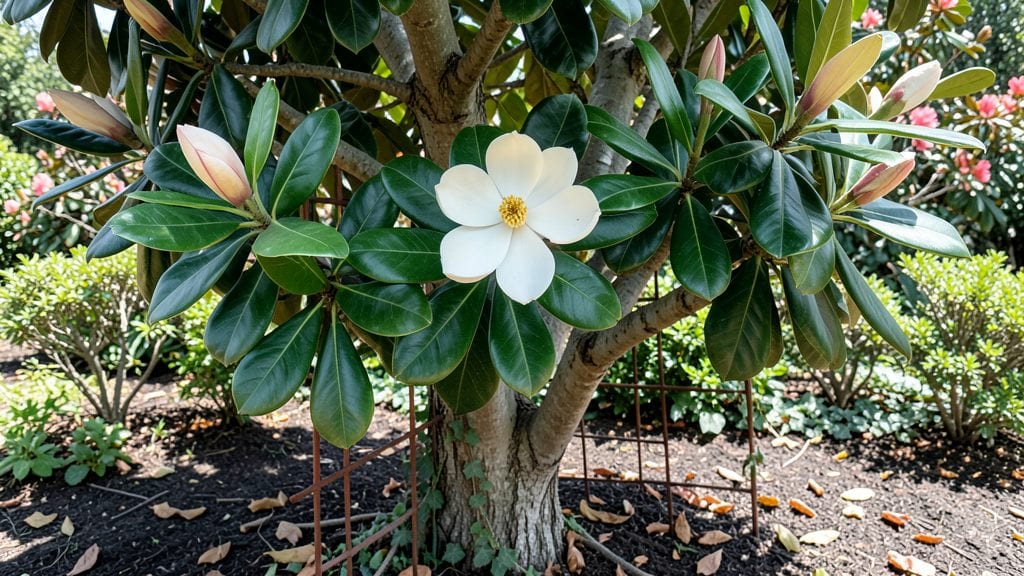
A magnolia tree blooms every 1–3 years, depending on the variety and care—so that showstopping spring display you love might not return as often as you’d hope.
If you’ve ever admired a magnolia tree 🌸 in full bloom and wondered when—or if—it will repeat that stunning display, you’re not alone. The answer lies in the type of magnolia you have: some burst into flowers annually, while others play hard to get, blooming only every few years.
And yes, your climate and how you care for it can shift that timeline.
For example, Southern Magnolias typically bloom once a year in late spring, while Saucer Magnolias might surprise you with two blooms per season—one in spring and another in early summer.
But even the most eager bloomers need the right conditions: partial shade, well-draining soil, and a little patience (or a strategic pruning session).
Here’s what you need to know to encourage more frequent blooms, from picking the right variety for your zone to the best time to prune without sacrificing next year’s flowers. Let’s break it down.
Magnolia blooming frequency by variety: annual vs. seasonal patterns
Magnolias are famous for their spectacular blooms, but not all varieties follow the same schedule. Some burst into flower just once a year, while others reward you with two stunning displays annually.
The key to predicting blooms lies in understanding each variety’s natural rhythm and how your local climate conditions influence it. For example, a Southern Magnolia might bloom in late spring, while a Star Magnolia could surprise you with winter flowers.
Let’s break down what to expect from your magnolia’s blooming habits.
The blooming frequency of magnolias depends on two main factors: the variety’s genetic traits and the microclimate where it’s planted. Some magnolias form flower buds the previous year, meaning they’re locked into a seasonal schedule that’s hard to change.
Others, like the Saucer Magnolia, can produce two flushes of blooms—one in early spring and another in late spring or early summer. Understanding these patterns helps you set realistic expectations and choose the right tree for your garden’s style and timeline.
Here’s a quick reference to help you identify your magnolia’s blooming habits and what to expect from popular varieties:
If you’re planting a magnolia for year-round interest, consider combining varieties like the Star Magnolia (winter blooms) with a Saucer Magnolia (spring blooms). This way, you’ll enjoy flowers from late winter through summer.
However, keep in mind that young magnolias often take 3-5 years to mature enough to bloom reliably. Patience is key—especially if you’ve just planted your tree!
Climate plays a huge role in blooming frequency. For instance, a Southern Magnolia in USDA Zone 8 or higher will likely bloom annually, but in cooler zones like Zone 6, it might skip years if winter temperatures drop too low.
Similarly, Star Magnolias thrive in colder climates and often bloom earlier in the season, while Lily Magnolias may struggle in freezing winters. Always check your local hardiness zone before choosing a variety.
One common misconception is that pruning can increase blooming frequency. While pruning is essential for tree health, removing too many branches can actually reduce flower production. The best approach is to prune right after blooming to avoid cutting off next year’s flower buds.
For varieties like the Saucer Magnolia, which bloom on new and old wood, you have more flexibility—but always use clean, sharp tools to minimize stress on the tree.
Soil health also impacts blooming. Magnolias prefer well-draining, slightly acidic soil (pH 5.0-6.0). If your soil is too alkaline or compacted, the tree may struggle to produce flowers. Amending the soil with organic matter, like compost or pine bark, can improve nutrient availability and encourage healthier blooms.
In my own garden, I’ve seen a Jane Magnolia double its blooms after adding a 2-inch layer of mulch and testing the soil pH.
For gardeners eager to
Why some magnolias bloom more often than others: science and care tips
Magnolias are famous for their show-stopping blooms, but not all varieties deliver the same frequency. The key lies in their unique flower bud development. Unlike many plants that set buds in spring, magnolias form theirs during the previous summer or fall.
This means last year’s care directly impacts this year’s blooms!
Some magnolias, like the Southern Magnolia, bloom just once yearly, while others, such as the Saucer Magnolia, can produce two bloom cycles—early spring and late spring. The difference often comes down to genetics, but environmental factors like sunlight, soil health, and pruning play a huge role too.
🌸 How Often Do Magnolias Bloom?
Annual bloomers: Most magnolias bloom once yearly (spring), with buds set the prior summer. Exception: Some varieties like 'Jane' or 'Ann' can rebloom lightly if conditions are ideal.
Seasonal bloomers: Hybrid varieties (e.g., Saucer Magnolia) may produce two bloom cycles—early and late spring—thanks to staggered bud formation.
Age matters: Young trees (5 years old) may bloom sparingly, while mature trees (10+ years) show their full potential.
To encourage more frequent blooms, prioritize partial shade—magnolias thrive with morning sun and afternoon shade. Harsh afternoon sun can stress the tree, reducing flower production. Additionally, well-draining, slightly acidic soil (pH 5.0–6.5) is critical. Amend clay soil with organic matter like compost to improve drainage and nutrient availability.
Pruning is another game-changer. Always prune after blooming (late spring/early summer) to avoid cutting off next year’s flower buds. Remove dead, diseased, or crossing branches to improve airflow and reduce stress. Never prune in fall or winter, as this can damage dormant buds.
Protect young trees from winter desiccation—a common issue in cold climates. Wrap the trunk with burlap or use an anti-desiccant spray to prevent moisture loss. Mulch heavily (3–4 inches) around the base to insulate roots and retain moisture during dry spells.
Finally, deadhead spent blooms (if your variety reblooms) to redirect the tree’s energy toward new flower production. While this won’t turn a single-bloomer into a rebloomer, it can enhance the longevity of existing blooms and keep your magnolia looking its best year-round.