Propagation
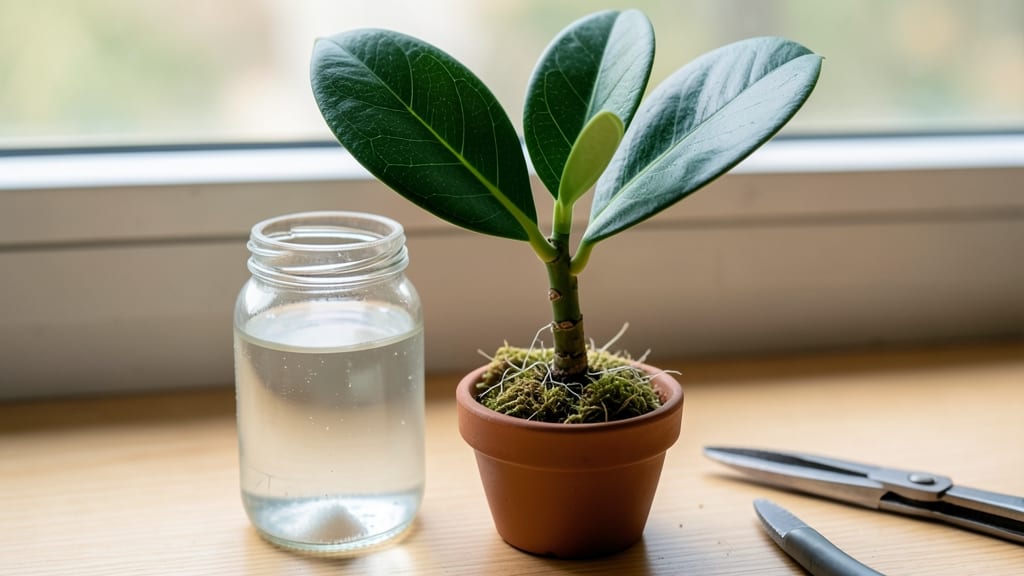
Yes, you can propagate a tree using methods like seed germination, grafting, or stem cuttings, though success depends on species, timing, and proper care. Fast-growing trees like willows or poplars root easily from cuttings, while others require more specialized techniques like air layering or tissue culture.
Growing new trees from existing ones is entirely possible and rewarding, whether you're working with seeds, cuttings, or grafting. 🌱 The key lies in understanding each method's requirements—seed germination often needs stratification (a cold period) to break dormancy, while stem cuttings benefit from rooting hormones and humidity domes.
For grafting, compatibility between rootstock and scion is critical, as mismatches can lead to failure. Many gardeners start with easier species like willows or apple trees, which respond well to basic propagation techniques and offer quick results.
Timing plays a crucial role too. For example, hardwood cuttings taken in late winter or early spring yield better results than softwood cuttings in summer.
Air layering, a technique where you encourage roots to form on a branch while still attached to the parent tree, is ideal for larger trees that are difficult to transplant.
Each method offers unique advantages depending on your goals—whether you're aiming for genetic consistency through grafting or creating new plants from seeds for variety.
💡 In This Article
- Tree Propagation Methods Explained
- Best Trees for Beginner Propagation Projects
Tree propagation methods explained
Seed germination is one of the most natural ways to propagate trees, but it requires understanding the plant's dormancy cycle. Many tree seeds need stratification—a period of cold, moist conditions to break dormancy—before they'll sprout.
For example, apple seeds typically require 60-90 days of cold stratification at 34-40°F to mimic winter conditions. This mimics the natural process where seeds lie dormant in soil until spring warmth triggers germination.
The science behind this involves hormones like abscisic acid (which inhibits growth) and gibberellins (which promote it), with cold temperatures helping shift this balance.
Stem cuttings work best with trees that root easily, like willows or poplars, because they produce adventitious roots—new roots that form directly from the stem rather than the root system. To maximize success, use a rooting hormone containing 1-3% indole-3-butyric acid (IBA), which stimulates root growth.
Place cuttings in a humidity dome or under plastic to maintain 80-90% humidity while keeping the soil consistently moist. The rooting process can take 4-12 weeks, depending on the species, with willows often rooting in as little as 3-4 weeks when conditions are ideal.
The key here is balancing moisture and oxygen—too much water causes rot, while too little stresses the cutting.
Grafting is ideal for preserving specific traits, like fruit variety in apple trees, because it combines the rootstock's hardiness with the scion's desirable characteristics. Compatibility between rootstock and scion is critical—mismatches can lead to poor growth or failure.
For instance, apple rootstocks like Malling 9 are dwarfing but require precise grafting techniques, while seedling rootstocks are hardier but may produce larger trees. The grafting window is typically late winter to early spring, when trees are dormant but ready to heal.
The process involves making precise cuts in both the rootstock and scion so their cambium layers align perfectly, allowing new vascular connections to form over time.
Air layering is perfect for larger trees that are difficult to transplant, like magnolias or oaks. This method involves creating a wound on a branch, applying rooting hormone, and wrapping it in moist sphagnum moss, then sealing it with plastic.
Roots form at the wound site while the branch remains attached to the parent tree, providing nutrients until it's ready to be cut and planted. The process can take 3-12 months, depending on the species and environmental conditions.
For example, a willow branch might root in as little as 6 weeks, while a maple could take nearly a year. The advantage here is that the new tree retains all the genetic traits of the parent, including size and shape.
Tissue culture, often used for rare or endangered species, involves growing plant cells in a sterile, nutrient-rich gel under controlled conditions. This method allows for rapid multiplication of genetically identical plants, but it requires specialized equipment and expertise.
For home gardeners, it's less accessible, but understanding its principles helps explain why some trees are harder to propagate traditionally. For example, orchids or avocado trees are often propagated via tissue culture because their seeds or cuttings root poorly under natural conditions.
The sterile environment eliminates pathogens and allows precise control over growth factors like light and temperature.
What most people don't realize is how much timing and species-specific traits influence success. For instance, softwood cuttings (taken from new growth in spring) root faster than hardwood cuttings (taken from dormant wood in winter), but the latter are more resilient once rooted.
Similarly, some trees like birches produce roots easily from their rhizomes, while others, like oaks, require more patience and specialized techniques. The right method depends on your goals—whether you're aiming for genetic consistency, speed, or simplicity. 🌿