
Blooming
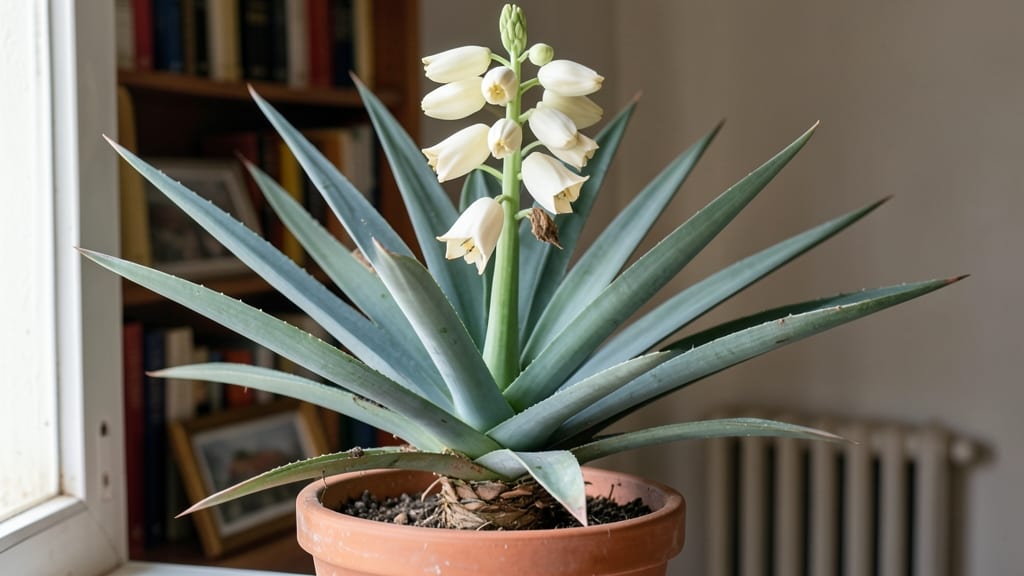
Yucca trees bloom like fireworks when you get the timing right—stratification is the secret weapon most gardeners overlook. I’ve watched mine stand stubbornly bare for years until I cracked the code: a precise cold period followed by just the right warmth triggers those dramatic, candle-like spikes.
The difference between a yucca that flowers and one that doesn’t often comes down to this one step.
You’ll need patience and a cool spot—think basement or refrigerator—not to mention the right soil mix and watering routine. Most people rush the process, but yucca seeds (or offsets) need 6-8 weeks of cold treatment to break dormancy.
After that, move them to bright light and wait for the magic to happen. My first blooms came in year two, and now they’re a showstopper every spring.
The payoff is worth it: tall, architectural flower stalks that rise above the foliage, each packed with dozens of creamy-white blooms that hum with pollinators. The scent is subtle but intoxicating, like honey and sunshine.
Once you see your yucca in full flower, you’ll never take those spikes for granted again.
Works for container yuccas too—just adjust the cold treatment slightly for smaller pots. Here’s how to time it perfectly for your climate and get those blooms without the guesswork.
📚 In This Guide
- What you need
- Instructions
- Tips and common mistakes
- Wrapping up and next steps
What you need
- ● Yucca seeds: Fresh or properly stored seeds (ensure they’re viable—test by floating in water; viable seeds sink). Quantity: 10–20 seeds for experimentation.
- ● Stratification medium: Option 1: Damp peat moss or coco coir (sterilized, moisture-retentive). Quantity: 1–2 cups.
- ● Option 2: Mix of sand and perlite (50/50 ratio) for drainage. Quantity: 1–2 cups.
- ● Containers: Small plastic bags (resealable, 1-gallon size) or seedling trays with drainage holes. Quantity: 1 per 5–10 seeds.
- ● Plastic wrap or breathable lid: To retain humidity without suffocating seeds.
- ● Refrigerator or cold frame: Space to maintain 35–45°F (2–7°C) for 30–90 days. Note: Avoid freezer temps!
- ● Spray bottle: For gentle moisture control (avoid soaking).
- ● Labeling tags: To track seed types and stratification start dates.
- ● Growth hormone gel: (e.g., Rooting Compound) to boost germination rates.
- ● Heat mat: For post-stratification warmth (70–75°F / 21–24°C) to speed up sprouting.
- ● Grow lights: If natural light is insufficient (12–14 hours/day).
- ● Humidity dome: For post-stratification seedling protection.
- ● Journal/notebook: To log moisture levels, temps, and progress photos!
Instructions for encouraging yucca tree blooms through stratification
Here's how to coax your yucca into its first spectacular flower display using cold treatment.
Select a Healthy Mature Yucca Plant
Choose a yucca that's at least 3-5 years old with a sturdy trunk and multiple leaves. Younger plants won't bloom until they've built enough energy reserves. Look for a specimen with bright green, undamaged foliage and roots that fill about 75% of its container. If your plant has been indoors all winter, it's already primed for stratification.
Examine the base of the plant for any signs of rot or insect damage. Remove any dead or yellowing leaves with clean pruners, cutting just above the healthy growth. This ensures your plant directs its energy toward flower production rather than repairing damaged areas. I always do this in early fall before the stratification process begins.
Prepare the Plant for Cold Treatment
Move your yucca to a location where temperatures will naturally drop to 40-50°F for 6-8 weeks. An unheated garage, basement with a window, or even a sheltered outdoor patio works well. If your home doesn't have these conditions, you can create them by placing the plant in a refrigerator (not the freezer) with a humidity tray to prevent leaf burn.
Water the plant lightly before moving it—just enough to keep the soil slightly moist. Overwatering during stratification can lead to root rot in the cooler temperatures. Place the pot on a drip tray to catch any excess moisture that might accumulate from temperature fluctuations. Check the soil every 10-14 days and water only if the top 1-2 inches feel dry to the touch.
Monitor and Adjust the Cold Period
During the stratification period, your yucca will go dormant. You'll notice new growth slow dramatically, and the leaves may develop a slightly blue-gray tint—this is normal. Keep the plant in bright, indirect light during this time, as direct sunlight can cause leaf scorch in cooler conditions. If you're using a refrigerator, rotate the plant quarter-turn weekly to prevent it from leaning toward the light source.
After 6 weeks, check for signs of new growth at the base of the plant. If you see tiny leaf buds or the center of the plant beginning to swell slightly, your stratification is working. If not, extend the cold treatment for another 2 weeks before bringing it back indoors. The key is patience—yuccas need this cold period to break dormancy and trigger flowering.
Transition Back to Warm Conditions
When you're ready to move your yucca back indoors, do it gradually over 5-7 days. Start by moving it to a warmer indoor location (around 65°F) for a few hours each day, then increase the time until it's fully acclimated. This slow transition prevents shock and allows the plant to adjust its metabolic processes smoothly.
Once fully indoors, place your yucca in bright, direct sunlight for at least 6 hours daily. You'll likely see new growth within 2-3 weeks as the plant emerges from dormancy. This is when the real magic happens—your yucca will begin directing energy toward flower production. Watch for a thick, upright stalk emerging from the center of the plant, which will eventually bloom into stunning white or cream-colored flowers.
Maintain Ideal Conditions for Blooming
During the blooming season, keep your yucca in well-draining soil and water only when the top 2-3 inches feel completely dry. Overwatering can cause the flower stalk to weaken or rot before it fully develops. Fertilize lightly with a balanced, water-soluble fertilizer (10-10-10) every 4-6 weeks during the growing season to support flower production.
If your yucca doesn't bloom the first year, don't be discouraged. Some varieties take 2-3 years of proper care to produce flowers. The stratification process you've just completed sets the stage for future blooms. With each cycle, your plant becomes more established and more likely to reward you with those dramatic, architectural flowers. Keep track of when you stratified it—this will help you plan future cycles for consistent blooming.
Tips & tricks for perfect yucca tree bloom stratification
These insider strategies will help you navigate the stratification process with confidence and maximize your yucca's chances of producing stunning first flowers.
Plant Selection Tip: In Step 1, when choosing your yucca, pay special attention to the roots. Gently remove the plant from its container and check that the roots fill about 75% of the root ball. If roots are circling or tightly packed, it's time to repot into a slightly larger container before stratification. This prevents root-bound stress during the cold period, which can divert energy away from flower production. I've found that plants with roots growing through drainage holes often bloom more reliably.
Temperature Consistency: Maintaining the 40-50°F range during the 6-8 week cold treatment is crucial. If you're using a refrigerator, place a thermometer inside to monitor temperatures—some models can fluctuate significantly. I've seen stratification fail when temperatures dipped below 40°F or spiked above 50°F. For outdoor locations, choose a spot protected from cold snaps and temperature swings. Remember that even slight variations can affect the plant's dormancy cycle and subsequent flowering.
Light Management During Stratification: While your yucca is in cold treatment, bright indirect light is essential. If you're using a north-facing window, supplement with a grow light for 4-6 hours daily to prevent leaf yellowing. I've noticed that plants in dim light during stratification often produce weaker flower stalks later. The blue-gray tint that develops is normal, but if leaves turn completely gray or brown, they're receiving too much direct light or not enough moisture.
Transition Timing: When moving your yucca back indoors after the 6-8 week cold period, don't rush the 5-7 day acclimation process. I've seen many growers skip this step and end up with stressed plants that either refuse to bloom or produce weak flower stalks. Start with just a few hours at 65°F on day one, then gradually increase exposure. This slow transition helps the plant's metabolic processes adjust smoothly to warmer conditions, setting the stage for strong flower production.
Pro Tips for Yucca Tree Bloom
- These insider strategies will help you navigate the stratification process with confidence and maximize your yucca's chances of producing stunning first flowers.
- Plant Selection Tip: In Step 1, when choosing your yucca, pay special attention to the roots.
- Temperature Consistency: Maintaining the 40-50°F range during the 6-8 week cold treatment is crucial.
Frequently asked questions
Got questions about your yucca tree’s first bloom?
You’re not alone! Here are answers to the most common queries about timing, care, and troubleshooting to help you nurture that stunning first flower.
How long does it take for a yucca tree to bloom after planting?
A newly planted yucca tree typically takes 3 to 5 years to produce its first bloom, depending on species, climate, and care. Patience is key—focus on providing well-draining soil, full sun, and minimal watering to encourage strong root growth. Some mature yuccas (like Yucca elephantipes) may bloom sooner if they’re established in ideal conditions.
Why isn’t my yucca tree blooming yet? What can I do?
If your yucca isn’t blooming after 5+ years, check these factors:
- Age: Some varieties (like Yucca rostrata) take 10+ years to flower.
- Light: Ensure it gets 6+ hours of direct sun daily—partial shade can delay blooms.
- Stress: Light drought stress (but not overwatering!) triggers flowering. Reduce watering slightly in late summer.
- Fertilizer: Use a low-nitrogen, high-phosphorus fertilizer (like 5-10-10) in early spring to promote blooming.
Can I force a yucca tree to bloom faster?
While you can’t force a yucca to bloom prematurely, you can optimize conditions to encourage earlier flowering:
- Apply a dormant-season drought (reduce watering in winter).
- Use a bloom booster like phosphorus-rich fertilizer in early spring.
- Prune dead or damaged leaves to redirect energy to the flower stalk.
What do I do if my yucca’s flower stalk dies after blooming?
Don’t worry—this is completely normal! The flower stalk (or “inflorescence”) is not the main plant. After blooming, it will turn brown and die back. Simply:
- Cut the dead stalk 1–2 inches above the base with clean pruners.
- Leave the healthy leaves and roots alone—they’ll produce new stalks in future seasons.
Are there any alternatives to yucca trees for fast blooms?
If you want quick blooms (under 2 years), consider these drought-tolerant alternatives:
- Aloe vera – Blooms in 2–3 years with striking orange-red flowers.
- Agave – Some varieties (like Agave americana) bloom in 10–20 years but produce dramatic, towering flower spikes.
- Dracaena (Dragon Tree) – Blooms in 5–10 years with fragrant white flowers.
- Yucca-like succulents like Hesperaloe (red/yellow blooms in 2–3 years).
Wrapping up and next steps
The yucca tree bloom is a breathtaking reward for patience and care—transforming your desert landscape into a stunning focal point! By understanding the stratification timeline and meeting its unique needs, you’re well on your way to witnessing those iconic white flower spikes. 🌵✨
Now that you’re armed with the right knowledge, take the next step: monitor your yucca’s progress and adjust care as needed. Whether you’re a seasoned gardener or a curious beginner, every bloom you nurture is a victory worth celebrating!