
Blooming
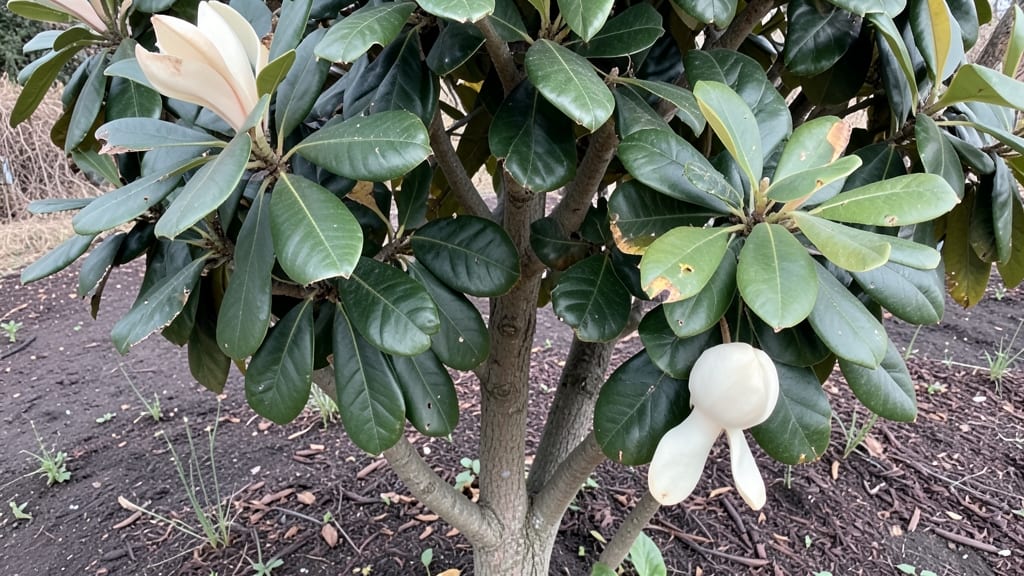
If you’re wondering why my magnolia tree doesn’t bloom, you’re not alone—I’ve watched mine stand tall for years without a single flower—until I fixed three key mistakes most gardeners overlook. 🌸 The good news? Most silent seasons come down to sunlight, age, or care habits you can adjust right now.
First, check the sunlight: magnolias need 6+ hours of direct sun daily, but partial shade can trick them into skipping flowers. Then consider age—some varieties take 5-10 years to bloom, while others need a winter chill to trigger buds.
Finally, over-pruning or heavy fertilizer can shock the tree into producing leaves instead of flowers.
With the right adjustments, you’ll see buds within 1-2 seasons. Start by moving the tree if shade is the issue, or simply wait and watch for new growth—a sign it’s ready to bloom. The payoff? Fragrant, showstopping flowers that make every spring worth the wait.
Works for all magnolia types, from saucer to star varieties. Let’s troubleshoot your tree’s specific clues—because every silent season has a solution.
The Hidden Reasons Behind No Blooms
Magnolia trees are nature’s showstoppers, gracing gardens with their bold, fragrant flowers—but when they skip their annual floral performance, it’s often a sign of underlying stress. Understanding why your magnolia isn’t blooming is the first step to reviving its glory.
Let’s break down the science behind the silence and uncover what’s really holding back your tree’s blossoms.
Magnolias are patient plants, and some varieties take 3 to 10 years to mature enough for their first bloom. Younger trees prioritize root and foliage growth over flowers—a survival strategy to establish stability.
If your tree is still in its teens (or younger), don’t panic. Southern magnolias (Magnolia grandiflora) often bloom later than star magnolias (Magnolia stellata), which can flower as early as age 3.
💡 Pro Tip: Check your tree’s age and species. If it’s under 5 years old, blooming may still be years away. Patience is key!
Magnolias are sun-worshippers, but too much shade or inconsistent sunlight can stunt flower buds. Most varieties need 6 to 8 hours of direct sunlight daily to trigger blooming. If your tree sits under dense canopies (like oaks or pines), it may be struggling to photosynthesize enough energy for flowers.
🔍 Science Check: Magnolias produce florigen, a hormone that signals blooming—sunlight kickstarts this process. Without enough light, the tree diverts energy to leaves instead.
🌿 Fix It: Prune nearby trees or relocate your magnolia to a sunnier spot. If transplanting, do it in early spring or fall to minimize stress.
Overwatering or poor drainage can suffocate roots, while underwatering stresses the tree into a survival mode—neither scenario leaves energy for blooms. Magnolias prefer well-draining, slightly acidic soil (pH 5.0–6.5). Compacted or waterlogged soil cuts off oxygen to roots, halting nutrient uptake.
📊 Soil Test Reality: If your soil is heavy clay or sandy, it may not retain moisture or nutrients well. Magnolias also need macronutrients like nitrogen, phosphorus, and potassium—a deficiency in phosphorus (P) is a top blooming blocker.
💧 Action Steps:
- ✅ Test your soil (kits are affordable and easy to use). Aim for a pH of 5.5–6.5.
- ✅ Amend soil with compost or peat moss if it’s too alkaline.
- ✅ Water deeply but infrequently—1–2 inches per week, letting soil dry slightly between waterings.
- ✅ Mulch (2–3 inches of organic mulch) to retain moisture and regulate temperature.
Magnolias bloom on old wood, meaning flowers form on last year’s growth. Aggressive pruning—especially in late winter or early spring—can remove next year’s flower buds before they even appear. Even "light" pruning can stress the tree if done at the wrong time.
⚠️ Common Pruning Errors:
- 🔪 Topping or shearing (creates ugly, weak growth and no blooms).
- ⏰ Pruning after buds swell (March–April for most magnolias).
- 🌿 Removing too many branches at once (shocks the tree).
🌸 Correct Pruning: Wait until late spring or early summer (after blooming) to trim dead or crossing branches. Use clean, sharp tools and make cuts just outside the branch collar.
Certain pests and diseases drain a magnolia’s energy, leaving it too weak to bloom. Watch for:
| Pest/Disease | Signs | Impact on Blooms |
|---|---|---|
| 🐜 Magnolia Scale | Sticky residue (honeydew), yellowing leaves, white bumps on bark. | Saps nutrients, weakens tree, reduces flowering. |
| 🍄 Fungal Issues (e.g., anthracnose) | Dark spots on leaves, leaf drop, wilting. | Stresses tree, diverts energy to healing. |
| 🐛 Root Rot (from overwatering) | Mushrooms at base, soft/stinking roots, wilting. | Kills roots, starves tree of water/nutrients. |
🛡️ Defense Plan:
- 🔍 Inspect leaves and bark regularly for pests.
- 💦 Avoid overhead watering to prevent fungal growth.
- 🌿 Apply horticultural oil or neem oil for scale/insects.
- 🌱 Improve drainage if root rot is suspected.
Magnolias are temperature-sensitive, and extreme cold or heat can disrupt blooming. Some varieties (like saucer magnolias) need chilling hours (300–600 hours below 45°F) to trigger flower formation. Without enough cold, buds may fail to develop.
🌡️ Heat vs. Cold Issues:
- 🔥 Too hot (drought stress): Dries out buds before they open.
- ❄️ Too cold (late frosts): Damages emerging buds.
- 🌪️ Unpredictable weather: Stress from swings can delay blooming.
🌿 Climate Hacks:
- 🌳 Plant in a microclimate (e.g., near a south-facing wall for warmth).
- 💧 Deep water during droughts to protect buds.
- ❄️ Use frost cloth if late frosts are common in your area.
Now that you know the real culprits behind your magnolia’s silence, the next step is action. Each of these factors—age, light, water, pruning, pests, and climate—can be adjusted to coax your tree back to blooming. Stay tuned for our 6 Fixes to Revive Your Magnolia section, where we’ll dive into hands-on solutions!
Revive Your Magnolia’s Beauty
Now that you know the likely reasons behind your magnolia tree’s silent seasons, it’s time to take action! 🌸 Each cause has a specific solution—some quick fixes, others requiring patience.
Below, we’ll map out practical, step-by-step fixes tailored to the root issue, plus prevention tips to keep your magnolia blooming for years.
Fix: Patience is key! Magnolias need time to establish a strong root system and energy reserves before they bloom.
- 🔥 Step 1: Focus on Root Growth – Ensure your tree has well-draining soil (amend with compost if needed) and consistent watering (1–1.5 inches per week).
- 🍳 Step 2: Feed for Strength – Apply a balanced, slow-release fertilizer (10-10-10 or 20-20-20) in early spring to boost growth.
- 👨🍳 Step 3: Prune Wisely – Avoid heavy pruning; instead, remove only dead or crossing branches to encourage energy toward roots and future blooms.
💡 Prevention Tip: If your tree is under 5 years old, don’t expect blooms—redirect energy to root development instead.
Fix: Magnolias crave full sun (6+ hours daily). If shade is the issue, try these fixes:
- 🔥 Step 1: Trim Overhanging Branches – Carefully prune nearby trees or shrubs blocking sunlight.
- 🍳 Step 2: Choose the Right Spot – If relocating isn’t possible, plant in a sunnier part of your yard (even if it means digging up the tree—worth it!).
- 👨🍳 Step 3: Supplement with Grow Lights – For potted magnolias, use full-spectrum LED grow lights (12–14 hours/day) during winter.
💡 Prevention Tip: When planting, pick the sunniest location available—magnolias hate moving, so get it right the first time!
Fix: Soggy roots = no blooms. Magnolias hate "wet feet."
- 🔥 Step 1: Improve Drainage – Amend heavy clay soil with sand, perlite, or compost to create loose, airy roots.
- 🍳 Step 2: Adjust Watering – Water deeply but infrequently (1–2 times per week, depending on climate). Let the top 2–3 inches of soil dry out between waterings.
- 👨🍳 Step 3: Check for Root Rot – If the base smells foul or the bark is mushy, prune affected roots and repot (if potted) or transplant to drier soil.
💡 Prevention Tip: Never plant in low-lying areas where water pools. Magnolias need well-draining slopes or raised beds.
Fix: Over-fertilizing (especially with nitrogen) = leafy growth, no flowers.
- 🔥 Step 1: Flush the Soil – Water heavily to leach out excess salts from over-fertilization.
- 🍳 Step 2: Switch to Bloom-Boosting Fertilizer – Use a low-nitrogen, high-phosphorus formula (like 5-10-10) in early spring to encourage flowering.
- 👨🍳 Step 3: Mulch Properly – Apply 2–3 inches of organic mulch (wood chips or pine straw) to retain moisture and regulate soil temp—but keep it 6 inches away from the trunk.
💡 Prevention Tip: Less is more! Fertilize only once in early spring unless your soil test shows deficiencies.
Fix: Blooms killed by frost? Adjust timing and protection.
- 🔥 Step 1: Choose Late-Blooming Varieties – If your area has late frosts, pick Southern magnolia (Magnolia grandiflora) or Saucer magnolia (Magnolia × soulangeana), which bloom later.
- 🍳 Step 2: Protect Buds – Cover young trees with frost cloth on cold nights (below 28°F) before buds swell.
- 👨🍳 Step 3: Plant in Sheltered Spots – Avoid windy, exposed areas; instead, plant near fences or buildings for natural windbreak.
💡 Prevention Tip: Monitor your local frost dates—plant after the last frost if possible, or choose hardy varieties for your zone.
Fix: Scale, aphids, or fungal issues can stress your tree.
- 🔥 Step 1: Inspect for Pests – Look for sticky residue (honeydew), tiny bugs, or chewed leaves. Treat with neem oil spray or insecticidal soap.
- 🍳 Step 2: Prune Infected Branches – Remove and dispose of (don’t compost!) branches with mold, cankers, or dead spots.
- 👨🍳 Step 3: Improve Airflow – Thin out dense foliage to reduce humidity (which spreads fungal diseases).
💡 Prevention Tip: Prevent pests with prevention! Spray neem oil in early spring as a protective barrier.
✨ Final Pro Tip: If your magnolia is healthy but still not blooming, it might just be waiting for the right year—some varieties take 5–10 years to reach full bloom potential! 🌟 Keep nurturing, and those fragrant flowers will come.
Frequently asked questions about magnolia trees not blooming
How do I know if my magnolia tree is too young to bloom?
Most magnolia varieties need 3-10 years to mature before producing flowers. Star magnolias often bloom earlier (as young as age 3), while Southern magnolias may take a decade. Look for new growth each spring—healthy foliage means roots are establishing, which is priority #1 for young trees.
Can I force my magnolia to bloom faster?
No, but you can create ideal conditions to encourage blooms sooner. Focus on 6+ hours of sunlight daily, well-draining acidic soil (pH 5.5-6.5), and balanced fertilization in early spring. Avoid heavy pruning—this stresses the tree and delays flowering. Patience is key, but proper care can shave 1-2 years off the waiting period.
What's the best fertilizer for blooming magnolias?
Use a low-nitrogen, high-phosphorus fertilizer (like 5-10-10 or 10-20-10) in early spring to promote flowering. Avoid high-nitrogen formulas—they encourage leafy growth at the expense of blooms. Apply once annually unless your soil test shows deficiencies. Organic options like bone meal also work well.
Why did my magnolia bloom last year but not this year?
Sudden bloom failures often stem from stress factors like: over-pruning (removed last year's flower buds), drought stress, nutrient deficiencies, or pest infestations. Check for yellowing leaves (nutrient issues), sticky residue (scale insects), or mushrooms at the base (root rot). Address the issue immediately—healthy trees bloom reliably.
Is it normal for magnolias to skip blooming every other year?
Occasional skipped years can happen, especially with Southern magnolias, which bloom on old wood and may take a seasonal break to recover. However, if blooms disappear for 3+ consecutive years, investigate light exposure, soil health, or pruning habits. Most varieties should bloom annually once mature.