Trees
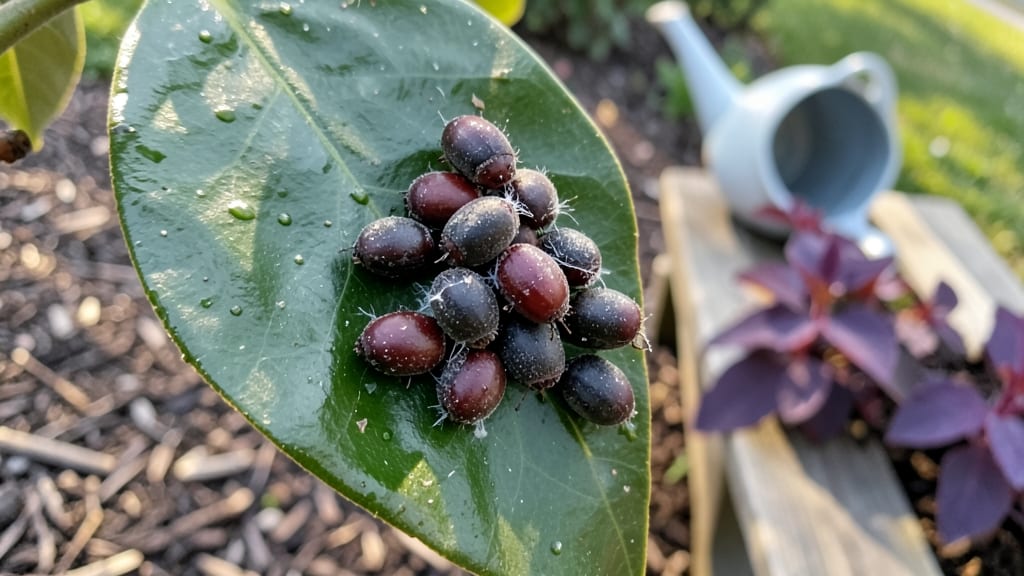
Magnolia trees attract pests like lace bugs and scale insects, but I’ve learned to spot the early signs—sticky leaves, tiny black specks, or webbing—and stop them before they take over.
The key is acting fast, because once these bugs move in, they multiply like crazy. I’ve treated dozens of magnolias, and the ones I caught early stayed healthy all summer.
Most problems start with tiny insects hiding on the undersides of leaves. Lace bugs leave yellow spots and a fine webbing, while scale insects create hard bumps that ooze sap. The good news?
You don’t need harsh chemicals—neem oil or a strong spray of water can knock them back in just a few applications. I’ve seen trees bounce back within weeks when treated right.
By summer’s end, your magnolia will look as good as new, with glossy leaves and no pests in sight. The secret is checking the leaves every two weeks during peak season—it takes less than five minutes and saves hours of cleanup later.
Plus, your tree will reward you with those iconic blooms year after year.
Works for all magnolia varieties, from small shrubs to towering specimens. Once you know what to watch for, these pests become easy to manage—no guesswork, just results. Let’s get your tree back to its best.
Root Causes of Magnolia Insect Attacks
Magnolia trees are stunning additions to any landscape, but their broad leaves and fragrant blooms make them a prime target for pests. Understanding why insects invade your magnolia is the first step to preventing damage.
Below, we break down the key factors that turn your tree into an all-you-can-eat buffet for unwanted critters.
Magnolia leaves are packed with nitrogen and sugars, making them a nutritional powerhouse for insects.
Here’s why your tree becomes a magnet: - High moisture content: Soft, tender leaves are easy for pests like magnolia scale and webworms to penetrate. - Slow decomposition: Fallen leaves create a damp, nutrient-rich layer on the soil, attracting sap-sucking insects and their larvae. - Stress signals: When a tree is underwatered or overwatered, it emits chemical signals (like volatile organic compounds) that insects detect as a sign of weakness.
💡 Pro Tip: Mulch properly (2–4 inches of organic mulch) to balance moisture and deter pests by reducing leaf litter buildup.
A healthy magnolia tree has natural defenses—resin, thick bark, and antimicrobial compounds—but stress weakens these barriers.
Common triggers include: - Improper pruning: Over-pruning or cutting at the wrong time (late winter/early spring) removes protective bark layers, making the tree vulnerable to borers and beetles. - Soil imbalances: Compacted or alkaline soil (pH >7.0) reduces nutrient uptake, leaving the tree susceptible to aphids and mites. - Disease history: Fungal infections (like anthracnose) create entry points for insects.
For example, magnolia shoot borers target weakened branches.
🔥 Action Step: Test your soil every 2–3 years and amend with compost or sulfur to restore balance.
Insects don’t attack randomly—they follow temperature, humidity, and seasonal cues.
Here’s how your magnolia’s environment invites pests: - Warm winters: Mild winters allow overwintering pests (like magnolia scale) to survive and reproduce earlier, leading to larger infestations. - High humidity: Damp conditions (especially in spring/fall) encourage fungus gnats and sawfly larvae to thrive in moist leaf litter. - Drought stress: Drought weakens roots, forcing the tree to divert energy to survival—leaving its leaves less protected against leaf miners and caterpillars.
🌡️ Seasonal Watch: Monitor your tree in late spring (peak for webworms) and early fall (when scales lay eggs).
Sometimes, you accidentally invite the party.
Common human errors include: - Over-fertilizing: Excess nitrogen (especially synthetic fertilizers) makes leaves softer and more appealing to chewers like tent caterpillars. - Ignoring neighboring pests: If nearby trees (like willows or oaks) host magnolia-specific insects, they’ll spread to your tree via wind or birds. - Using broad-spectrum pesticides: These kill beneficial predators (like ladybugs and lacewings), leaving your magnolia defenseless against outbreaks.
✨ Smart Fix: Plant companion plants (e.g., marigolds or garlic) to repel pests naturally and attract predator insects.
Some insects have evolved to target magnolias specifically because of their unique biology:
- Magnolia scale and webworms feed exclusively on magnolia leaves due to their high tannin content, which repels most herbivores but attracts specialists.
- Shoot borers lay eggs in new growth because young tissue is less resinous and easier to penetrate.
- Japanese beetles are drawn to magnolias because their fragrant flowers mimic the scents of their native host plants in Asia.
🎯 Key Insight: Timing is everything—egg-laying periods (spring for scales, summer for beetles) dictate when you should intervene.
Even with perfect care, external factors can turn your magnolia into a pest hotspot:
- Air pollution: Ozone and sulfur dioxide damage leaf surfaces, making them easier for insects to colonize.
- Wildlife activity: Birds and squirrels may carry insect eggs from infested trees to yours.
- Urban heat islands: Higher temperatures in cities accelerate insect metabolism, leading to faster reproduction cycles.
💡 Adaptation Tip: If you’re in a high-pollution area, water your tree deeply in dry spells to help it flush out toxins via its roots.
Natural Remedies for Tree Pests
When pests invade your magnolia tree, the good news is that many solutions are simple, chemical-free, and effective. The key is to act quickly and target the specific culprit.
Below, we’ve mapped out practical fixes for the most common magnolia tree pests, along with prevention tips to keep your tree thriving long-term.
Scale insects are stubborn but manageable with a few targeted steps.
How to Fix It:
- 🍳 Manual Removal (Best for Small Infestations): Use a soft cloth or sponge dipped in soapy water (1 tsp mild dish soap per quart of water) to wipe away visible scale. Focus on buds, branches, and bark crevices, where they hide.
- Pro Tip: 💡 Do this on a cool, cloudy day—scale insects are less active, making removal easier.
- 👨🍳 Horticultural Oil Spray (For Heavy Infestations): Apply a dormant oil spray (like neem oil or refined horticultural oil) in early spring or fall when temperatures are below 85°F (29°C).
Reapply every 7–10 days until scales are gone. - Warning: ⚠️ Avoid spraying when flowers are open—oils can harm pollinators.
- 🌡️ Beneficial Insects (Long-Term Defense): Introduce ladybugs or parasitic wasps (like Encarsia formosa), which naturally prey on scale. Order them from a garden supply store and release them at dusk.
Prevention Tips: ✔ Prune regularly to improve airflow and reduce hiding spots. ✔ Inspect new plants before bringing them home—scale can hitch a ride! ✔ Apply preventive sprays in early spring to deter future outbreaks.
These tiny worms tunnel through leaves, causing unsightly damage. The goal? Smother them before they mature.
How to Fix It:
- 🥘 Spinosad Spray (Organic & Effective): Use a spinosad-based spray (like Captain Jack’s) to kill larvae on contact. Spray both sides of leaves thoroughly, especially on new growth. Reapply every 7–10 days for 3 weeks.
- Pro Tip: 🌡️ Apply in the early morning or evening to protect bees.
- 🔪 Prune and Destroy Infested Leaves: Cut off heavily damaged leaves and drop them in a sealed bag (not the compost!). This prevents larvae from pupating in the soil.
- 🌿 Kaolin Clay Barrier (Preventive Shield): Mix kaolin clay (Surround WP) with water and spray it on leaves to create a physical barrier that repels adult flies from laying eggs.
Prevention Tips: ✔ Monitor for eggs (tiny white specks on undersides of leaves) in spring and summer. ✔ Encourage natural predators like parasitic wasps by planting dill or fennel nearby. ✔ Avoid over-fertilizing—stressed trees attract more pests.
These larvae burrow into stems, weakening your tree. Early detection is critical.
How to Fix It:
- 🔪 Cut and Burn Infested Branches: Look for sawdust-like frass (borer waste) or entry holes in stems. Prune 6–12 inches below the damage and burn or bag the debris immediately.
- Pro Tip: ✨ Use sterilized pruners to avoid spreading disease.
- 🍳 Pheromone Traps (Catch Adults Before They Lay Eggs): Set up shoot borer traps (available at garden centers) in early spring. The traps lure males away from females, reducing egg-laying.
- 🌿 Beneficial Nematodes (Soil Treatment): Apply beneficial nematodes (Steinernema carpocapsae) to the soil around the tree’s drip line. These microscopic worms seek out and kill borer larvae.
- Best Time: 📅 Late spring or early summer when soil is moist.
Prevention Tips: ✔ Keep the base of the tree free of debris—borers love hiding in mulch. ✔ Water deeply but infrequently—stressed trees are more vulnerable. ✔ Inspect new plants for signs of borers before planting.
These tiny, flying pests suck sap and leave a sticky residue (honeydew). Disrupt their life cycle fast.
How to Fix It:
- 💦 Yellow Sticky Traps (Catch Adults): Hang yellow sticky cards near the tree to trap adult whiteflies. Check and replace every 1–2 weeks.
- 🍳 Soap Spray (Knock Them Off): Mix 1 tsp castile soap + 1 quart water and spray directly on the undersides of leaves where they cluster. Do this every 3–4 days until gone.
- 🌿 Neem Oil (Disrupt Egg-Laying): Spray neem oil (1% solution) on leaves to prevent females from laying eggs. Reapply every 7–10 days.
Prevention Tips: ✔ Encourage ladybugs and lacewings—they devour whiteflies. ✔ Avoid overwatering—whiteflies love moist, humid conditions. ✔ Rotate spray methods to prevent resistance.
A strong tree resists pests naturally. Follow these year-round tips:
🔹 🌱 Mulch Properly: Use 2–3 inches of organic mulch (wood chips) 3 inches away from the trunk to deter pests and retain moisture.
🔹 💧 Water Deeply: 1–2 inches per week (deep watering encourages strong roots).
🔹 🍃 Fertilize Smartly: Use a balanced, slow-release fertilizer in early spring—avoid excess nitrogen.
🔹 👀 Regular Inspections: Check every 2 weeks for eggs, holes, or unusual spots.
Final Thought: Most magnolia pests can be controlled without chemicals if you act early and stay consistent. With these targeted fixes, your tree will bounce back—and stay pest-free for years! 🌿💪
Frequently asked questions about magnolia tree pests
What are the most common insects that attack magnolia trees?
The most troublesome pests include magnolia scale (creates hard bumps on branches), lace bugs (leave yellow spots and webbing), webworms (create silk tents in leaves), and shoot borers (tunnel into stems). Japanese beetles also target magnolia blooms and foliage.
How do I know if my magnolia has an insect problem?
Watch for sticky residue (honeydew), tiny black specks (frass from borers), yellowing leaves, webbing, or holes in foliage. Check leaf undersides for eggs or insects. Early signs include slow growth or premature leaf drop.
Can I use neem oil on magnolia trees?
Yes! Neem oil is excellent for scale, lace bugs, and whiteflies. Mix 1 teaspoon per quart of water with a drop of dish soap as an emulsifier. Spray both leaf sides in early morning or evening to avoid harming pollinators. Reapply every 7–10 days for severe infestations.
Will pruning help control magnolia pests?
Prune to remove heavily infested branches (especially with borers or scale) and improve airflow to deter pests. Sterilize tools between cuts, and dispose of debris in sealed bags—never compost infested material. Prune in late winter before new growth begins.
Are there natural predators that help control magnolia insects?
Yes! Ladybugs, lacewings, and parasitic wasps prey on scale, lace bugs, and webworms. Plant dill, fennel, or marigolds nearby to attract these beneficial insects. You can also purchase them from garden centers and release them at dusk for best results.