
Trees
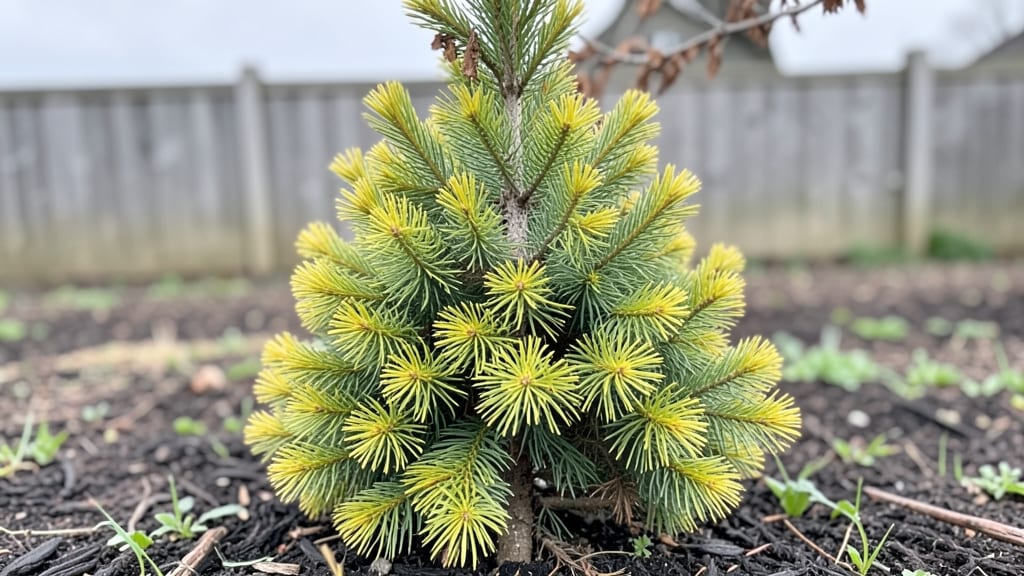
Growing a yellow spruce tree starts with that fast-germination chill method—a game-changer for bypassing slow seedling struggles and getting strong roots in weeks instead of months.
I learned this trick after watching my first batch of spruce seeds sit dormant for nearly a year, only to finally sprout when temperatures finally dropped.
The secret lies in mimicking nature’s winter cycle: cold stratification jumpstarts growth, giving you a head start on establishing a sturdy tree before spring planting.
Once you’ve prepped the seeds, focus on well-draining soil and partial shade—critical for maintaining that vibrant yellow foliage. Varieties like ‘Golden Globe’ or ‘Little Gem’ thrive in zones 3-7, but their color fades under harsh afternoon sun or poor soil.
Amend heavy clay with compost, and water deeply but infrequently—spruces hate soggy roots. Within 6-8 weeks, you’ll see seedlings with deep green needles that’ll gradually develop those golden hues as they mature.
What you’ll end up with is a tree that stays compact yet sturdy, perfect for foundation plantings or small landscapes. The yellow tones deepen in cooler months, creating a striking contrast against evergreen neighbors.
Prune only to shape in early spring, and avoid heavy trimming—spruces resent aggressive cuts. By year three, you’ll have a tree that’s both low-maintenance and a standout in your yard.
This method works equally well for container-grown spruces or in-ground plantings, making it adaptable to urban gardens or rural properties. The key is patience early on—those first few weeks of chill treatment pay off with roots that establish quickly, setting your tree up for decades of vibrant color.
Ready to grow one that stands out?
Root Causes Of Needle Discoloration
If your spruce tree’s needles are turning yellow, it’s often a cry for help—whether from hidden stressors or environmental shifts. Understanding the why behind the color change is the first step to reviving your tree’s health.
Below, we break down the most common culprits, backed by science, so you can take targeted action.
Yellowing needles are a classic sign of root suffocation—when roots sit in soggy soil for too long. Spruce trees (like Picea species) thrive in well-drained soil; waterlogged conditions block oxygen, leading to:
- Fungal infections (e.g., Phytophthora): Fungi thrive in wet, compacted soil, attacking roots and cutting off nutrient flow.
- Root rot: Anaerobic bacteria break down roots, causing a yellow-to-brown needle decline from the bottom up.
- Nutrient leaching: Excess water washes away essential minerals like nitrogen and iron, starving the tree.
💡 Pro Tip: Test your soil’s drainage by digging a 12-inch hole—if water pools after 6 hours, amend with compost or sand. Spruce trees prefer soil that dries out between waterings.
Spruce trees are hardy, but extreme conditions can trigger yellowing as a survival response. Key triggers include:
| Stressor | How It Affects Needles | Actionable Fix |
|---|---|---|
| Heat Stress (above 90°F) | Needles lose chlorophyll due to oxidative damage, turning yellow or bleached. | Provide afternoon shade with shade cloth (30–50% coverage) or mulch to regulate soil temp. |
| Cold Burn (sudden winter thaw/freeze) | Needles yellow or brown from cellular rupture after rapid temperature swings. | Choose cold-hardy spruce varieties (e.g., Colorado Blue Spruce) and avoid late-season fertilizing. |
| Wind Scorch (dry, windy conditions) | Needles dry out and yellow from transpiration stress (water loss > uptake). | Plant windbreaks (e.g., shrubs) or use anti-desiccant sprays in drought-prone areas. |
Not all yellowing is environmental—pests and pathogens can hijack your spruce’s health. Common culprits:
- Spruce Spider Mites: Tiny pests suck sap, causing stippling and yellowing (especially on new growth). Look for webbing on needles.
- Bagworms: Their silk bags defoliate trees, weakening them and turning needles yellow-brown.
- Root Weevils: Larvae feed on roots, reducing water/nutrient uptake and triggering yellowing from the base up.
- Fungal Diseases (e.g., Rhizosphaera needle cast): Causes banded yellow/brown needles, often in wet climates.
🔥 Quick Fix: Inspect needles for pests (use a magnifying glass) and treat early with neem oil (for mites) or Bacillus thuringiensis (for caterpillars). For diseases, prune infected branches and apply copper fungicide.
Yellow needles can signal a mineral shortage, often tied to soil pH or imbalances. Key deficiencies:
- Nitrogen (N) Deficiency: Causes pale yellow needles (especially on new growth). Spruce trees need 0.5–1% nitrogen in soil.
- Iron (Fe) Chlorosis: Yellow needles with green veins (common in alkaline soils). Iron binds poorly in pH >7.0.
- Magnesium (Mg) Deficiency: Yellowing between veins (like a "scorched" pattern), often from over-fertilizing with nitrogen.
🎯 Solution:
- Test soil pH (ideal: 5.0–6.5 for spruce). Amend with sulfur if alkaline.
- Apply slow-release fertilizer (e.g., 10-10-10) in early spring.
- For iron: Use chelated iron supplements or apply iron sulfate to soil.
🚨 When to Worry: If yellowing spreads rapidly, paired with wilting or dieback, consult a local arborist—your tree may need emergency care (e.g., root aeration or systemic fungicide).
Revive & Protect Your Evergreen
When your spruce turns yellow, it’s often a cry for help—but don’t panic! With the right care, you can nurse it back to health and keep future issues at bay. Below are practical, step-by-step solutions tailored to common causes, plus prevention tips to safeguard your tree’s vibrant green future.
Yellowing needles often signal a hunger for essential nutrients. Spruces thrive with a balanced diet, and deficiencies can creep in over time.
🔥 Step 1: Test Your Soil
Before treating, know what’s missing! Use a soil test kit (available at garden centers) to check pH and nutrient levels. Spruces prefer acidic soil (pH 4.5–6.0)—if yours is alkaline, amendments are key.
🍳 Step 2: Apply the Right Fertilizer
- Iron deficiency (yellowing between veins)? Use chelated iron (like Ironite) or apply sulfur to lower pH.
- Nitrogen deficiency (pale yellow, stunted growth)? Opt for a slow-release, acid-loving fertilizer (e.g., 10-6-4 or 12-4-8 ratio).
Sprinkle granules around the drip line (not the trunk!) in early spring. - Magnesium deficiency (yellow patches, brown edges)? Try Epsom salt (magnesium sulfate)—dissolve 1 tbsp per gallon of water and spray foliage in late summer.
👨🍳 Step 3: Mulch & Water Correctly
- Mulch: Spread 3–4 inches of pine bark or wood chips (never against the trunk!) to retain moisture and acidity.
- Water: Keep soil consistently moist but not soggy—spruces hate drought and waterlogged roots.
Deep water 1–2 times per week in dry spells.
💡 Pro Tip:
> "Feed lightly but often!" Over-fertilizing burns roots. Split doses into 3 applications (spring, summer, fall) instead of one big boost.
Yellowing can also stem from infections or critters sucking the life out of your tree.
🔪 Step 1: Identify the Culprit
- Needle cast (yellow/brown needles, black specks)? Likely fungal (e.g., Rhizosphaera or Lophodermium).
- Sawdust-like frass or egg masses? Spruce beetles or spider mites are feasting.
- Wilting, sticky sap? Aphids or adgid scale may be to blame.
🎯 Step 2: Treat Accordingly
| Problem | Solution | Prevention |
|---|---|---|
| Fungal diseases | Spray copper fungicide (early spring/fall) or neem oil (1% solution). | Prune for airflow; avoid overhead watering. |
| Spruce beetles | Apply permethrin spray or baited traps (check local regulations). | Thin dense branches to deter infestations. |
| Spider mites | Blast off with water spray (knocks them loose) or use insecticidal soap. | Attract predators like ladybugs with companion plants. |
| Aphids/adgid | Dab rubbing alcohol on infested branches or spray horticultural oil. | Encourage parasitic wasps (natural predators). |
✨ Pro Tip:
> "Early action is key!" Treat pests/fungi at the first sign—once they spread, recovery is harder. Check the underside of needles for eggs or webs.
Harsh weather, poor drainage, or compacted soil can stress spruces into a yellow slump.
🔥 Step 1: Improve Drainage
- If your tree sits in a low spot, build a slight berm with soil to redirect water.
- For container-grown spruces, ensure pots have drainage holes and use a well-draining mix (peat moss + perlite).
👨🍳 Step 2: Aerate & Amend Soil
- Compacted soil? Rent a core aerator or manually fork holes to let roots breathe.
- Add organic matter: Mix in compost or pine fines to restore acidity and structure.
💡 Pro Tip:
> "Mimic the wild!" Spruces love acidic, well-draining soil—think forest floor. Avoid alkaline amendments like lime.
✅ Monitor soil pH annually (test kits are cheap!). ✅ Water deeply but infrequently—drought stress = yellow disaster. ✅ Prune strategically: Remove dead branches in late winter to improve airflow. ✅ Inspect regularly: Check for pests/needle drop every 2–3 weeks in growing season. ✅ Mulch like a pro: 3–4 inches, 3–4 feet from trunk, and renew annually.
Remember: Yellow spruces aren’t always doomed—they’re just screaming for help. With targeted care, yours can bounce back to a lush, emerald-green beauty in no time! 🌲💚
Frequently asked questions
What's the best way to maintain the golden color in a yellow spruce?
Provide partial shade (especially afternoon sun) and acidic soil (pH 4.5-6.0). Varieties like 'Golden Globe' thrive with consistent moisture but well-drained soil. Avoid heavy nitrogen fertilizers, which can cause color fading. Mulch with pine bark to maintain soil acidity and protect roots.
Can I grow a yellow spruce in a container?
Yes! Use a 15-gallon or larger pot with drainage holes and acidic potting mix (peat moss + perlite). Water when the top inch of soil feels dry, and fertilize lightly with acid-loving plant food. Dwarf varieties like 'Little Gem' work perfectly for containers and can stay outdoors year-round in zones 3-7.
How do I know if my yellow spruce needs pruning?
Prune only to shape in late winter or early spring before new growth starts. Remove dead or crossing branches with clean cuts just outside the branch collar. Avoid heavy pruning—spruces resent aggressive cuts and may produce fewer golden needles. Never prune more than 25% of the foliage at once.
Why are my yellow spruce needles turning brown at the tips?
This usually indicates dry air, windburn, or over-fertilizing. Check soil moisture (spruces hate soggy roots) and reduce watering if needed. For indoor trees, increase humidity with a pebble tray. If the problem persists, test soil pH—alkaline conditions can cause tip burn. Apply an anti-desiccant spray in dry climates.
What's the fastest way to establish a new yellow spruce transplant?
Water deeply 2-3 times per week for the first month, then taper to 1-2 times weekly once established. Apply mycorrhizal fungi at planting to boost root growth. Mulch with 3-4 inches of pine fines to retain moisture and acidity. Avoid fertilizing for the first 6-8 weeks—new roots need time to adapt.